

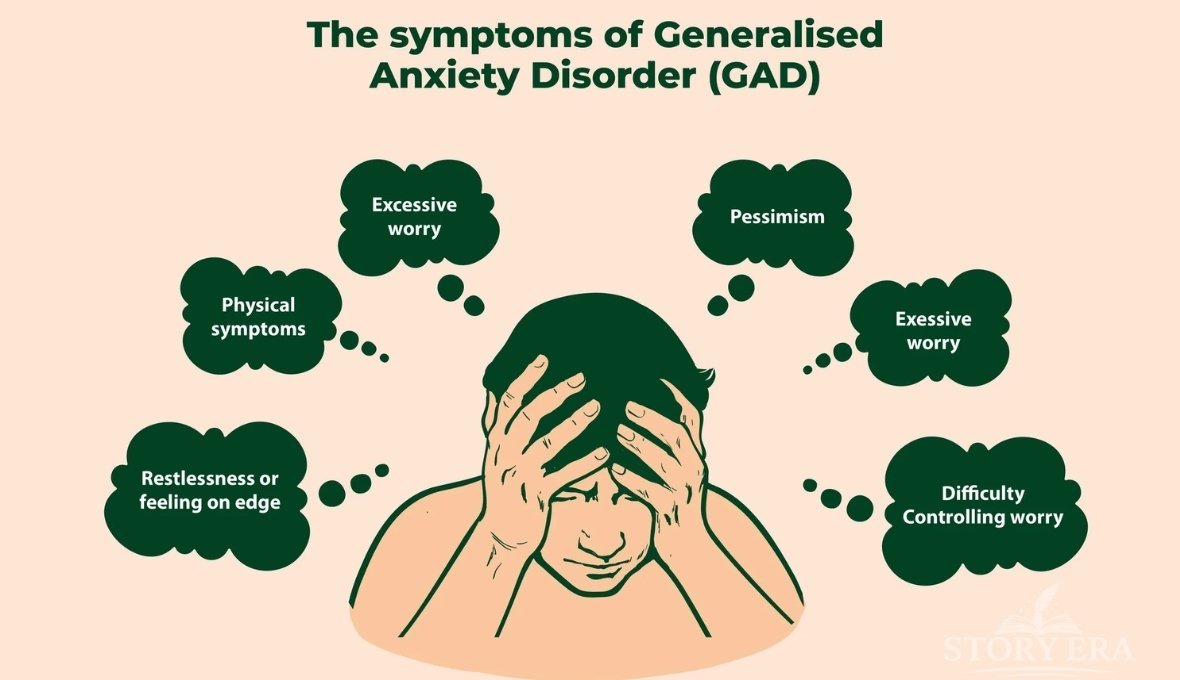
Anxiety disorders are often misunderstood as purely emotional or psychological conditions, yet their physical symptoms can be just as intense and disruptive. When the body activates its fight-or-flight response, it releases stress hormones that affect multiple systems, from the heart to the digestive tract. These reactions are natural in short bursts, but when persistent, they can lead to chronic discomfort and health concerns.
Understanding the physical symptoms of anxiety disorder is essential for early detection and proper management. Many individuals experience symptoms without realizing anxiety is the root cause, often confusing them with other medical issues. This article explores these symptoms in depth, helping you recognize patterns, understand causes, and take informed steps toward relief.
Physical Symptoms of Anxiety Disorder Overview
| Physical Symptom | Short Description | Cause in Anxiety |
|---|---|---|
| Rapid heartbeat | Heart feels fast or pounding | Adrenaline release in fight-or-flight response |
| Shortness of breath | Feeling unable to breathe properly | Shallow or rapid breathing due to stress |
| Muscle tension | Stiff neck, shoulders, or back pain | Constant body alertness and stress response |
| Fatigue | Extreme tiredness even without activity | Energy drain from chronic stress |
| Sweating | Excessive or sudden sweating | Body prepares for perceived danger |
| Dizziness | Feeling lightheaded or unsteady | Changes in oxygen and breathing patterns |
| Headaches | Pressure or pain in head | Muscle tightness and stress |
| Stomach issues | Nausea, cramps, diarrhea | Gut-brain stress connection |
| Sleep problems | Insomnia or poor sleep quality | Racing thoughts and overactive mind |
| Tingling/numbness | Pins and needles in hands/feet | Altered blood flow and hyperventilation |
What Are Physical Symptoms of Anxiety Disorder?
The Physical Symptoms of Anxiety Disorder refer to bodily reactions triggered by prolonged stress and fear. These symptoms are not imaginary—they are real physiological responses caused by the nervous system. When anxiety persists, the body remains in a heightened state of alertness, leading to ongoing discomfort.
Common symptoms include rapid heartbeat, muscle tension, fatigue, and digestive issues. These occur because the body is constantly preparing to face a perceived threat. Over time, this continuous activation can weaken the immune system and disrupt normal bodily functions. Recognizing these symptoms is the first step toward understanding how anxiety impacts overall health.
The Science Behind Anxiety and the Body
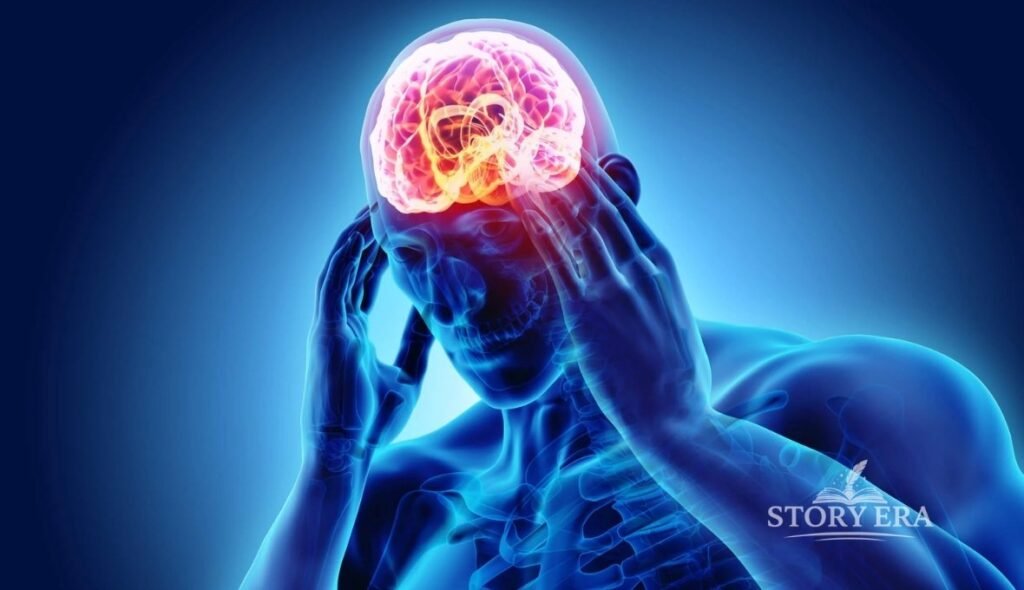
Anxiety activates the sympathetic nervous system, which prepares the body for action. This response releases adrenaline and cortisol, increasing heart rate and blood pressure. While useful in emergencies, constant activation can harm the body.
The brain signals the body to stay alert, even when no real danger exists. This leads to prolonged Physical Symptoms of Anxiety Disorder, such as tension and fatigue. Over time, the body struggles to return to its normal resting state, creating a cycle of stress and physical discomfort that becomes difficult to break.
Rapid Heartbeat and Palpitations
One of the most noticeable Physical Symptoms of Anxiety Disorder is a rapid heartbeat or palpitations. People often describe this as a pounding or fluttering sensation in the chest. It can feel alarming and is sometimes mistaken for a heart problem.
This symptom occurs because anxiety increases adrenaline levels, forcing the heart to pump faster. While usually harmless, frequent episodes can lead to distress and fear of serious illness. Learning to identify this as an anxiety-related symptom can reduce panic and help individuals manage it more effectively.
Shortness of Breath and Chest Tightness
Many individuals with anxiety experience shortness of breath or a tight chest. This can feel like not getting enough air, even when breathing normally. It is a common response to stress and can be particularly frightening.
The body reacts by altering breathing patterns, often leading to shallow or rapid breaths. This can cause dizziness or lightheadedness. Understanding that this is part of the Physical Symptoms of Anxiety Disorder can help reduce fear and prevent escalation into a panic attack.
Muscle Tension and Body Aches
Chronic anxiety often leads to muscle tension, especially in the neck, shoulders, and back. This tension can result in persistent aches and discomfort. Many people do not associate these physical pains with anxiety.
When the body remains in a defensive state, muscles stay contracted for extended periods. Over time, this can lead to stiffness and even headaches. Addressing anxiety can significantly reduce these physical symptoms and improve overall comfort.
Fatigue and Low Energy Levels
Despite feeling constantly alert, individuals with anxiety often experience extreme fatigue. This occurs because the body is overworking itself, even without physical exertion. The constant release of stress hormones drains energy reserves.
This fatigue can interfere with daily activities and reduce productivity. It also affects mental clarity and emotional well-being. Recognizing fatigue as one of the Physical Symptoms of Anxiety Disorder can help individuals seek appropriate treatment and rest.
Digestive Issues and Stomach Problems
Anxiety has a strong impact on the digestive system, leading to symptoms like nausea, diarrhea, or stomach cramps. The gut and brain are closely connected, meaning stress can directly affect digestion.
During anxiety, blood flow is redirected away from the digestive system, slowing down normal processes. This can cause discomfort and irregular bowel movements. Understanding this connection helps individuals manage symptoms more effectively through both mental and physical approaches.
Sweating and Temperature Changes
Excessive sweating is another common physical symptom of anxiety disorder. It can occur even in cool environments and without physical activity. Some people also experience sudden hot or cold sensations.
These changes happen because the body is preparing for action, increasing sweat production to regulate temperature. While not dangerous, it can be embarrassing and affect confidence. Managing anxiety can reduce these symptoms significantly.
Dizziness and Lightheadedness
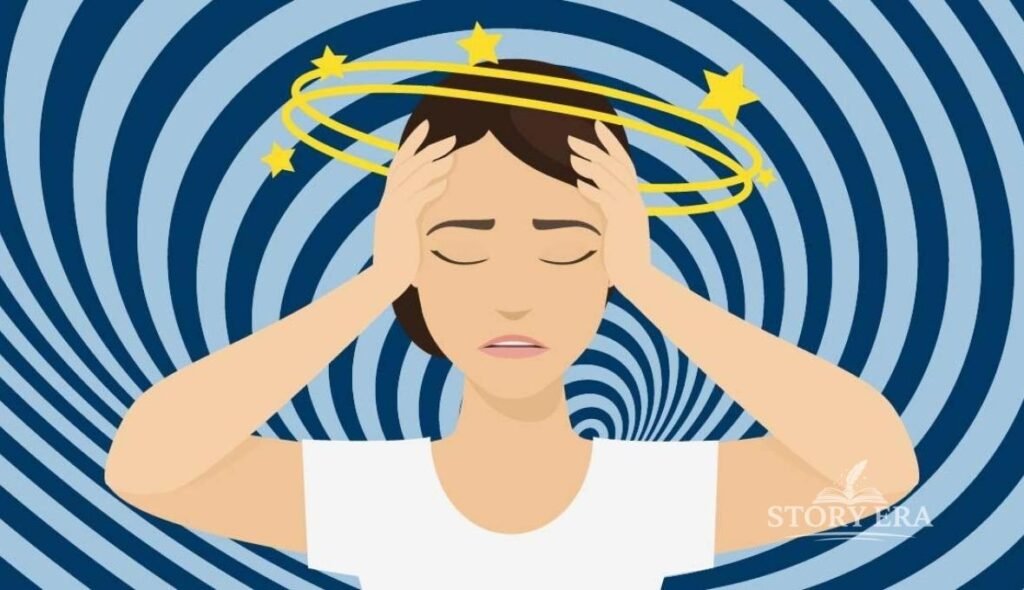
Anxiety can cause dizziness or a feeling of being off-balance. This is often linked to rapid breathing or changes in blood circulation. It can occur suddenly and may be mistaken for other medical conditions.
When breathing becomes shallow, oxygen levels fluctuate, leading to lightheadedness. Recognizing this as part of the Physical Symptoms of Anxiety Disorder can help individuals respond calmly and avoid unnecessary panic.
Headaches and Migraines
Frequent headaches are a common complaint among those with anxiety. These headaches are often caused by muscle tension and stress. In some cases, they can develop into migraines.
The constant pressure and tightness in the head and neck contribute to pain. Managing stress levels and practicing relaxation techniques can help reduce the frequency and severity of these headaches.
Sleep Disturbances and Insomnia
Anxiety often disrupts sleep, leading to insomnia or restless nights. Individuals may find it difficult to fall asleep or stay asleep due to racing thoughts and physical discomfort.
Lack of sleep worsens other Physical Symptoms of Anxiety Disorder, creating a cycle of fatigue and stress. Improving sleep habits and addressing anxiety can lead to better rest and overall health.
Tingling and Numbness
Some people experience tingling or numbness, especially in the hands and feet. This can feel unusual and may cause concern. It is often related to changes in blood flow and nerve sensitivity during anxiety.
While typically harmless, these sensations can be unsettling. Understanding their connection to anxiety helps reduce fear and prevents unnecessary medical worry.
Frequent Urination
Anxiety can increase the urge to urinate more frequently. This happens because stress affects the bladder and hormonal balance. It is a lesser-known but significant physical symptom.
This symptom can interfere with daily routines and cause discomfort. Recognizing it as part of the Physical Symptoms of Anxiety Disorder can help individuals manage it without unnecessary concern.
Dry Mouth and Throat Tightness
A dry mouth or feeling of tightness in the throat is another common symptom. This occurs because anxiety reduces saliva production and tightens throat muscles.
These sensations can make speaking or swallowing uncomfortable. Staying hydrated and practicing relaxation techniques can help alleviate these symptoms.
Impact on the Immune System
Chronic anxiety weakens the immune system, making individuals more susceptible to illness. The constant release of stress hormones reduces the body’s ability to fight infections.
This means that people with anxiety may experience frequent colds or slower recovery times. Addressing anxiety is crucial for maintaining a strong and healthy immune system.
How Physical Symptoms Affect Daily Life
The Physical Symptoms of Anxiety Disorder can significantly impact daily activities. From reduced productivity to social withdrawal, these symptoms can limit a person’s quality of life.
Many individuals avoid certain situations due to fear of symptoms appearing in public. This can lead to isolation and reduced confidence. Understanding and managing these symptoms is essential for maintaining a balanced lifestyle.
When to Seek Medical Help
While many symptoms are linked to anxiety, it is important to consult a healthcare professional to rule out other conditions. Persistent or severe symptoms should not be ignored.
A proper diagnosis ensures that individuals receive the right treatment. It also provides reassurance and reduces unnecessary worry about serious health issues.
Effective Ways to Manage Physical Symptoms
Managing the Physical Symptoms of Anxiety Disorder involves a combination of lifestyle changes, therapy, and relaxation techniques. Regular exercise, deep breathing, and mindfulness can help reduce symptoms.
Cognitive behavioral therapy (CBT) is particularly effective in addressing anxiety patterns. In some cases, medication may be recommended. A balanced approach ensures long-term relief and improved well-being.
Lifestyle Changes That Make a Difference
Simple lifestyle changes can have a powerful impact on anxiety symptoms. Maintaining a healthy diet, staying hydrated, and getting enough sleep are essential.
Reducing caffeine and alcohol intake can also help minimize symptoms. Building a routine that supports both mental and physical health is key to managing anxiety effectively.
The Importance of Early Recognition
Early recognition of the Physical Symptoms of Anxiety Disorder can prevent complications. Many people ignore these signs, assuming they are minor or unrelated.
Identifying symptoms early allows for timely intervention and better outcomes. Awareness is the first step toward recovery and improved quality of life.
Conclusion
The Physical Symptoms of Anxiety Disorder are real, impactful, and often overlooked. From rapid heartbeat to digestive issues, these symptoms reflect the body’s response to ongoing stress. Understanding them helps individuals recognize patterns, seek help, and take control of their health.
By addressing both the mental and physical aspects of anxiety, it is possible to reduce symptoms and improve overall well-being. Awareness, proper treatment, and healthy lifestyle choices play a crucial role in managing anxiety effectively. Recognizing these signs early can make a significant difference in long-term health and quality of life.
FAQs
1. What are the most common Physical Symptoms of Anxiety Disorder?
Common symptoms include rapid heartbeat, muscle tension, fatigue, dizziness, and digestive issues. These are caused by the body’s stress response.
2. Can anxiety cause real physical pain?
Yes, anxiety can lead to real physical pain, including headaches, muscle aches, and chest discomfort due to prolonged tension.
3. How long do physical symptoms of anxiety last?
The duration varies. Some symptoms last minutes, while others can persist for days or longer if anxiety is not managed.
4. Are physical symptoms of anxiety dangerous?
Most symptoms are not dangerous but can feel intense. However, persistent symptoms should be evaluated by a medical professional.
5. How can I reduce physical symptoms of anxiety?
Techniques like deep breathing, exercise, therapy, and proper sleep can significantly reduce symptoms.
6. Can anxiety symptoms mimic other illnesses?
Yes, anxiety can mimic conditions like heart problems or digestive disorders, making proper diagnosis important.
