

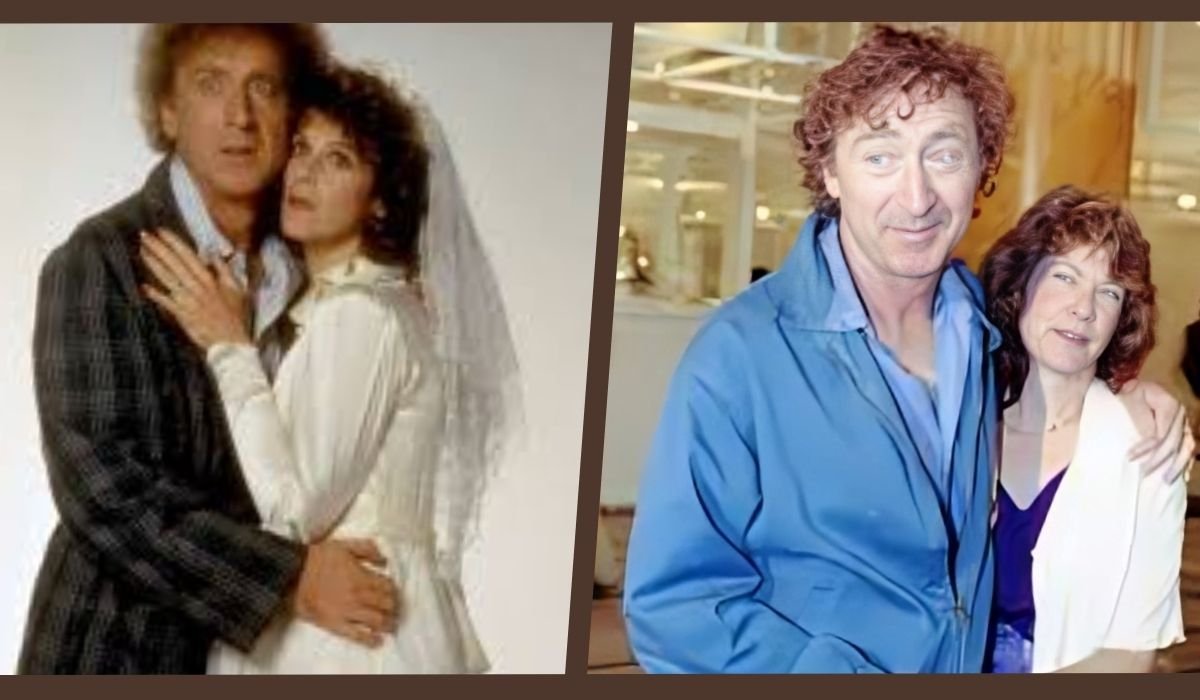
The history of Hollywood is often written through the lens of its brightest stars, yet the figures standing just outside the spotlight frequently hold the keys to understanding these icons. Mary Joan Schutz, known to many simply as Jo, is one such figure. While the world remembers Gene Wilder for his manic energy in Willy Wonka & the Chocolate Factory or his comedic brilliance in Young Frankenstein, Mary Joan Schutz played a pivotal role in his personal evolution during the late 1960s and early 1970s. As his second wife, she provided a sense of stability and family during the most transformative years of his career, a period when he transitioned from a stage actor to a global cinematic phenomenon.
Understanding the life of Mary Joan Schutz requires more than just a cursory glance at her marriage certificate. She was a woman of depth, a friend to Wilder’s family before she became his wife, and a mother whose primary concern was the well-being of her daughter, Katharine Wilder. Her story is a narrative of love, the complexities of blended families, and the eventually painful fractures that can occur when the pressures of Hollywood fame collide with private domestic life. To explore the biography of Mary Joan Schutz is to explore a significant chapter of American cultural history, seen through the eyes of a woman who shared her life with a legend.
Mary Joan Schutz: Quick Bio
| Full Name | Mary Joan Schutz |
| Commonly Known As | Jo Schutz |
| Birth Date | Circa 1930 |
| Birthplace | Iowa, United States |
| Nationality | American |
| Parents | Matthew Lynn Schutz and Katherine Marie Hickey |
| First Husband | Name not publicly disclosed (Divorced prior to 1965) |
| Second Husband | Gene Wilder (m. 1967; div. 1974) |
| Children | Katharine Wilder (Daughter from first marriage, adopted by Gene Wilder) |
| Famous Connection | Second wife of legendary actor Gene Wilder |
| Key Life Event | Introduction to Wilder via his sister, Corinne Pearlman |
| Residency Era | New York City (during the late 1960s and early 1970s) |
| Marriage Duration | 7 Years |
| Public Status | Private (Retreated from public eye after 1974) |
The Early Life of Mary Joan Schutz
Before she became a central figure in the life of a Hollywood icon, Mary Joan Schutz lived a relatively private life. Born in the 1930s, likely around 1930 in Iowa, she was the daughter of Matthew Lynn Schutz and Katherine Marie Hickey. Growing up in the American Midwest, she was raised with values that emphasized family and community, traits that would later define her approach to her relationship with Gene Wilder. While details of her early education and professional aspirations remain sparse, it is known that she was a woman of intelligence and grace, possessing a social circle that eventually overlapped with the artistic elite of New York City.
By the time she reached her thirties, Mary Joan Schutz had experienced the joys and challenges of adulthood, including a first marriage that resulted in the birth of her daughter, Katharine. This period of her life was marked by the responsibilities of single motherhood, a role she took with immense seriousness. Living in the bustling environment of the East Coast, she maintained a close friendship with Corinne Silberman Pearlman, who was the sister of Jerome Silberman—the man the world would soon come to know by his professional name, Gene Wilder. This familial connection served as the bridge between her private world and the burgeoning career of the legendary actor.
Meeting Gene Wilder: A Fated Connection
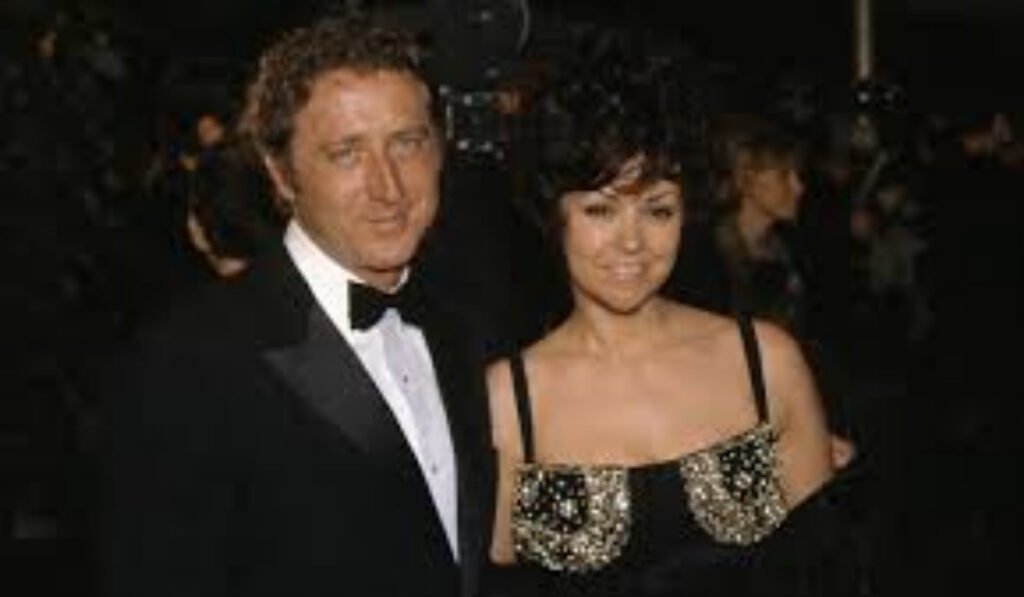
The meeting between Mary Joan Schutz and Gene Wilder was not a typical Hollywood “meet-cute.” Instead, it was a slow-burn connection rooted in existing family ties. Following the dissolution of his first marriage to Mary Mercier in 1965, Wilder was in a state of personal transition. His sister, Corinne, believing that her brother needed a grounded and compassionate partner, introduced him to her friend, Mary Joan. At the time, Wilder was beginning to find his footing in the film industry, but he was still very much the sensitive, introspective man who valued deep emotional connections over the superficiality of the star system.
When Mary Joan Schutz entered his life, she brought with her a sense of normalcy and warmth. Wilder was immediately drawn to her kind nature and her dedication as a mother. Unlike the high-strung environment of the theater world, Jo offered a sanctuary. Their early dating years were characterized by a mutual respect and a shared vision of what a family could look like. For Mary Joan, Wilder represented a kind, fatherly figure who showed genuine affection for her young daughter. For Wilder, Schutz was the partner who encouraged his artistry while keeping him tethered to the reality of domestic responsibilities and unconditional love.
The Marriage of 1967: A New Chapter
After a period of courtship, Mary Joan Schutz and Gene Wilder decided to formalize their commitment. The couple was married on October 27, 1967. This year was particularly significant for Wilder, as it also marked the release of The Producers, the film that would earn him an Academy Award nomination and cement his partnership with Mel Brooks. Despite the rising tide of his fame, the wedding was a relatively private affair, reflecting the couple’s desire to keep their personal lives separate from the growing public interest. Mary Joan officially became Mary Joan Wilder, though she continued to be known as Jo among friends.
The early years of their marriage were spent in New York, where they navigated the complexities of a “blended” family before the term was even popular. Mary Joan Schutz worked hard to integrate Wilder into her daughter’s life, and the actor took to the role of a father with surprising ease. He often spoke about the joy he found in the mundane aspects of family life—dinners, school runs, and quiet evenings at home. For Mary Joan, these years represented a period of hope and stability, as she supported her husband’s meteoric rise while maintaining a stable environment for Katharine.
The Adoption of Katharine Wilder
Perhaps the most significant milestone in the marriage of Mary Joan Schutz and Gene Wilder was the legal adoption of Katharine. Not long after the wedding, young Katharine began calling Wilder “Dad.” Moved by this gesture of trust and love, Wilder felt that it was “the right thing to do” to legally become her father. In 1967, he officially adopted her, and she took the surname Wilder. This act was a testament to the depth of the bond between Mary Joan and Gene; it was more than just a marriage of two adults; it was the creation of a family unit.
Mary Joan Schutz was instrumental in fostering this relationship. She recognized that her daughter needed a stable father figure, and she believed that Gene’s gentle spirit made him the perfect candidate. For several years, the trio functioned as a tight-knit family. Wilder’s memoirs later revealed that his love for Katharine was profound, and much of his motivation during this era was centered on providing for his wife and daughter. Mary Joan remained the silent anchor of the household, managing the domestic front while Wilder traveled for filming, including his iconic stint in Munich for the filming of Willy Wonka.
Life in the Shadow of Willy Wonka
As the 1970s began, the career of Gene Wilder exploded. The success of Willy Wonka & the Chocolate Factory in 1971 turned him into a household name. For Mary Joan Schutz, this meant navigating the challenges of being the spouse of a major celebrity. The pressures of the industry often kept Wilder away from home for long periods, a common strain on Hollywood marriages. Despite these challenges, Mary Joan remained a supportive partner, often accompanying him to premieres and events, though she never seemed to crave the spotlight for herself.
During this time, the family lived a life that balanced glamour with privacy. Mary Joan Schutz was known for her elegance and her ability to handle the eccentricities of the entertainment world with poise. However, the shift in Wilder’s status from a respected actor to a global superstar inevitably altered the dynamics of their relationship. The demands on his time and the emotional intensity he poured into his roles—such as his work on Everything You Always Wanted to Know About Sex—began to take a toll. Mary Joan found herself frequently acting as the primary parent and the stabilizer of their personal affairs.
The Fractures in the Marriage
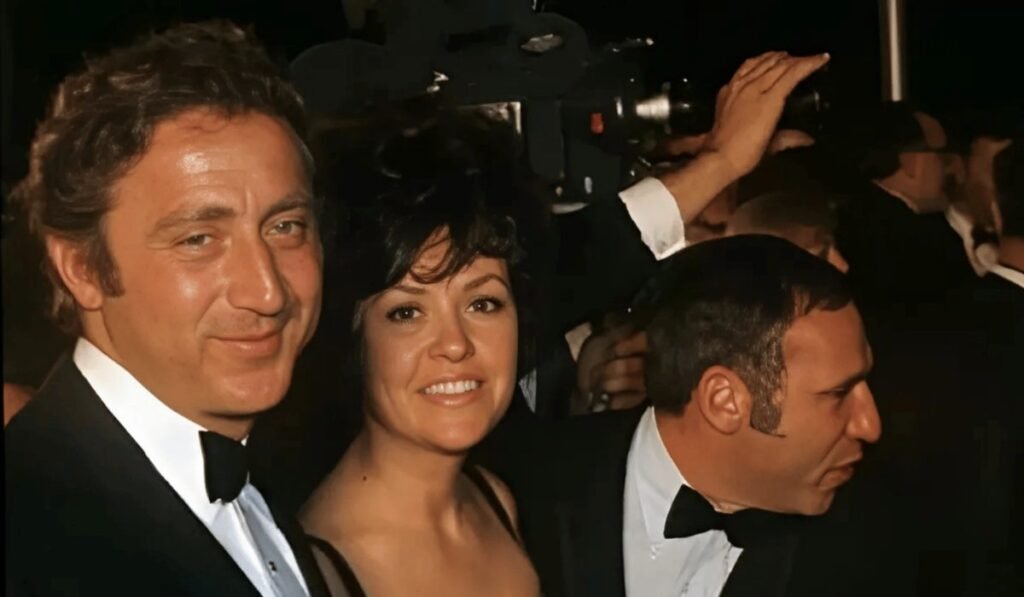
By the mid-1970s, the foundation of the marriage between Mary Joan Schutz and Gene Wilder began to show signs of strain. The specific reasons for their eventual separation are complex and often debated by biographers, but Wilder himself alluded to personal failings in his later writings. One of the primary issues was the emotional distance that grew as Wilder became more immersed in his work. For Mary Joan, the man she had married was increasingly replaced by a public persona, and the quiet family life they had built in the late 1960s was becoming a memory.
The situation reached a breaking point during the production of Young Frankenstein. Rumors and suspicions of infidelity began to haunt the marriage. Specifically, Katharine Wilder later expressed her belief that her father was having an affair with his co-star, Madeline Kahn. While Wilder denied these specific allegations, the atmosphere of distrust became too much for Mary Joan Schutz to bear. The couple separated in 1974, marking the end of a seven-year marriage that had once seemed like a bedrock of stability for both parties.
The Divorce of 1974 and Its Aftermath
The divorce of Mary Joan Schutz and Gene Wilder was finalized in 1974. For Mary Joan, it was a period of significant personal pain, as she not only lost her husband but also saw the family unit she had carefully constructed dissolve. Unlike many Hollywood divorces that play out in the tabloids, Schutz chose to maintain her dignity and privacy. She retreated from the public eye, focusing her energy on raising Katharine and navigating her life as a single woman once again. She did not seek to capitalize on her former husband’s fame or publish “tell-all” stories.
For Gene Wilder, the divorce was also a source of lasting regret, particularly regarding his relationship with Katharine. Following the split, the bond between the actor and his adopted daughter fractured almost beyond repair. Katharine felt a deep sense of betrayal toward her mother, which she projected onto her father. Mary Joan Schutz found herself in the difficult position of managing her daughter’s emotional fallout while dealing with her own grief. The divorce essentially ended her public association with the Wilder name, though her impact on his life would remain a subject of interest for decades.
Katharine Wilder: The Lasting Connection
The most enduring legacy of the union between Mary Joan Schutz and Gene Wilder is undoubtedly Katharine. Even after the divorce, the shadow of the marriage loomed over Katharine’s life. She eventually became estranged from Gene, a separation that lasted until his death in 2016. Mary Joan played a vital role in supporting her daughter through this estrangement. While Wilder would eventually write his memoir, Kiss Me Like a Stranger, in part to explain his side of the story to Katharine, it was Mary Joan who was there for the day-to-day reality of Katharine‘s life.
In the years following the divorce, Katharine pursued a career in the arts, but she stayed away from her father’s orbit. Mary Joan Schutz remained her daughter’s primary confidante. The silence between Gene and Katharine was a source of great sadness for the actor, who often mentioned in interviews that he hoped she would one day forgive him. Through it all, Mary Joan maintained a wall of privacy, never publicly taking sides or fueling the fire of celebrity gossip, prioritizing her daughter’s peace of mind over public vindication.
Mary Joan Schutz’s Life After Gene Wilder
Following her divorce from Gene Wilder, Mary Joan Schutz reclaimed her life away from the cameras. While the world watched Wilder marry Gilda Radner and later Karen Boyer, Jo lived a quiet, meaningful life. She was a woman who valued her independence and her role as a mother above all else. Information about her later years is scarce, which is exactly how she seemingly preferred it. She did not attend industry events or seek out the press, choosing instead to live a life defined by her own terms rather than her association with a famous man.
Records suggest that she eventually moved on, perhaps even remarrying, and continued to live in the United States. Her ability to exit the Hollywood ecosystem so completely is a testament to her character. While many “ex-wives” of the era became fixtures in the social scene, Mary Joan Schutz chose a path of quiet strength. She remained a figure of mystery to the public but a source of unwavering support to those in her immediate circle. Her life serves as a reminder that behind every famous man is a person with their own narrative, separate and distinct from the celebrity narrative.
The Influence on Gene Wilder’s Later Work
Even though their marriage ended in 1974, the influence of Mary Joan Schutz can be seen in Gene Wilder’s later creative output. His experiences with Jo and Katharine provided him with a deeper understanding of the complexities of love and the pain of loss. When he wrote his memoirs in 2005, the sections detailing his time with Mary Joan were filled with a mix of affection and melancholy. He credited the stability she provided as a necessary foundation for the creative risks he took during the late 1960s.
Furthermore, his portrayal of characters who were often searching for family or a sense of belonging—such as in The Frisco Kid—may have been informed by the domestic life he shared with Mary Joan Schutz. The “search for love and art” that titled his autobiography was deeply tied to his years with her. While his marriage to Gilda Radner is often cited as his greatest love story, his marriage to Mary Joan was perhaps his most humanizing experience, grounding him during his rise to superstardom and teaching him the heavy price of fame.
Commemorating a Private Life
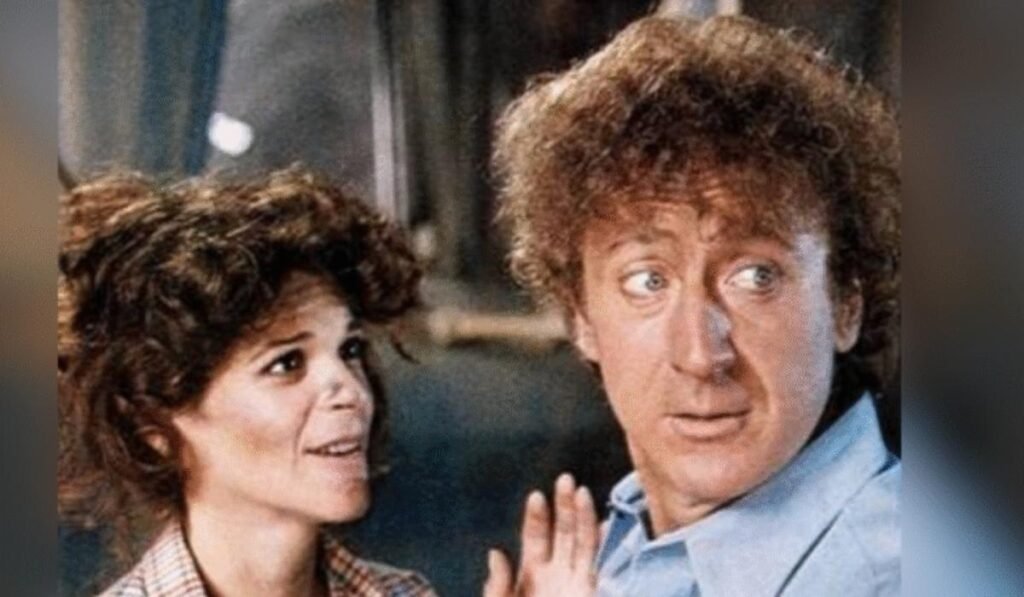
In the digital age, it is rare for someone connected to a person of Gene Wilder’s stature to remain so enigmatic. Mary Joan Schutz is a rare exception. Her biography is not one of scandals or headlines, but of a woman who navigated the complexities of 20th-century life with grace. She represents the thousands of women who supported the Golden Age of Hollywood from behind the scenes, providing the emotional labor that allowed artists to thrive. To remember Mary Joan Schutz is to acknowledge the importance of the private lives that sustain public figures.
Today, researchers and fans of Gene Wilder still look to Mary Joan’s story to fill in the gaps of the actor’s life. She remains a subject of respect among those who value privacy and integrity. Her legacy is carried on through her daughter and through the films Wilder made during their time together. While she may not have a star on the Hollywood Walk of Fame, her role in the life of one of cinema’s most beloved figures ensures that her name will always be a part of the history of American entertainment.
Mary Joan Schutz: A Midwestern Soul in Manhattan
The journey from Iowa to the heights of the New York social scene is a classic American tale. For Mary Joan Schutz, this journey was defined by a Midwestern groundedness that never truly left her. Friends from that era described her as someone who could hold her own in a room full of intellectuals and artists while still maintaining a “common touch.” This balance was likely what made her so appealing to Gene Wilder, who himself struggled with the transition from a kid from Milwaukee to a global icon.
Her ability to maintain this sense of self while married to a man who was often consumed by his characters was no small feat. Mary Joan Schutz was not just a “wife of”; she was an individual with a strong moral compass. In an era where the lines between public and private were beginning to blur, she was a staunch defender of the private realm. This Midwestern soul provided the ballast for Wilder’s often stormy creative mind, even if the vessel eventually succumbed to the pressures of the sea.
Reflecting on the “Jo” Years
The years from 1967 to 1974 are often referred to by film historians as the “Jo” years of Gene Wilder‘s career. This was the period of his greatest artistic output and his most iconic roles. Mary Joan Schutz was the witness to this transformation. She saw him prepare for Willy Wonka, she was there for the development of Blazing Saddles, and she supported him through the creation of Young Frankenstein. Her perspective on these historic moments remains largely unheard, adding to the intrigue surrounding her biography.
While she chose silence, the work Wilder produced during this time speaks volumes about his state of mind. There was a warmth and a vulnerability in his acting during the Schutz years that changed after their divorce. Some critics argue that the stability of his home life with Mary Joan allowed him to explore the “madness” of his characters more safely. When that stability was gone, his roles often took on a different, sometimes more frantic or sorrowful tone. Mary Joan Schutz was, in many ways, the silent collaborator in the Golden Age of Gene Wilder.
Conclusion:
In conclusion, Mary Joan Schutz remains one of the most dignified and private figures in the history of Hollywood marriages. Her seven-year union with Gene Wilder was a period of immense growth for the actor and a time of profound commitment for Mary Joan. Though the marriage ended in divorce, her impact on Wilder’s life and his relationship with his adopted daughter, Katharine, is undeniable. Mary Joan’s story is a poignant reminder that even in the world of bright lights and big screens, the most important stories are often the ones told in the quiet of a home.
She was a mother first, a friend second, and a celebrity wife third. By choosing to live her life away from the tabloid culture, she preserved a sense of integrity that is often lost in the modern age. Mary Joan Schutz may be primarily known through her association with Gene Wilder, but her biography stands as a testament to the power of a private life well-lived. As we look back on the legacy of the Wilder family, Mary Joan’s contribution as the anchor during his most legendary years remains a vital piece of the puzzle.
Frequently Asked Questions (FAQs)
1. Who was Mary Joan Schutz?
Mary Joan Schutz, often called Jo, was the second wife of the late American actor and comedian Gene Wilder. They were married from 1967 to 1974. She was a close friend of Wilder’s sister, Corinne, before their marriage.
2. Did Gene Wilder and Mary Joan Schutz have children?
They did not have biological children together. However, Gene Wilder legally adopted Mary Joan’s daughter from a previous marriage, Katharine Wilder, in 1967.
3. Why did Mary Joan Schutz and Gene Wilder divorce?
The couple separated in 1974. While they kept the details private, Wilder later suggested that his focus on his career and emotional distance contributed to the split. There were also rumors of infidelity during the filming of Young Frankenstein.
4. What happened to Katharine Wilder after the divorce?
Katharine Wilder became estranged from Gene Wilder following the divorce, believing he had been unfaithful to her mother. Despite his attempts to reconcile later in life, they remained out of contact until his death in 2016.
5. Is Mary Joan Schutz still alive?
Records regarding Mary Joan Schutz‘s current status are private. Following her divorce from Wilder in 1974, she retreated from public life entirely to maintain her privacy and that of her daughter.
6. How did Mary Joan Schutz meet Gene Wilder?
They met through Gene Wilder‘s sister, Corinne Pearlman. Mary Joan was a friend of Corinne‘s, and they began dating shortly after Wilder’s divorce from his first wife, Mary Mercier, in 1965.
