

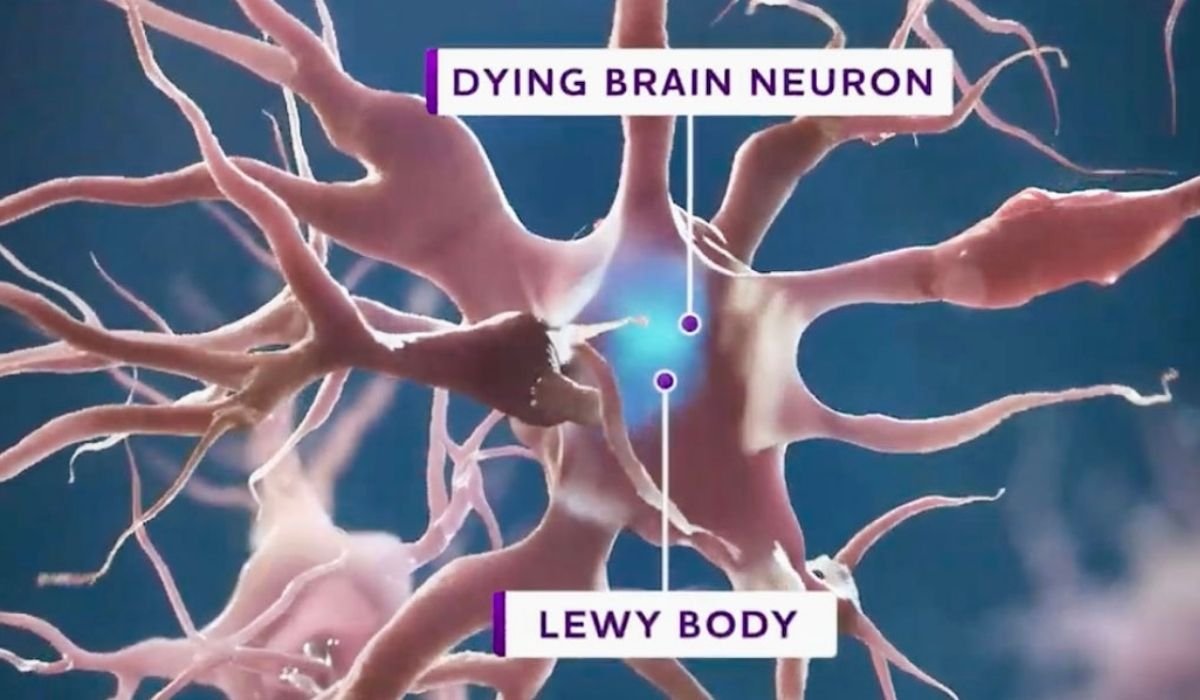
Lewy body dementia is a progressive brain disorder that affects thinking, movement, behavior, and sleep patterns, making it one of the most complex forms of dementia in neurological medicine. Lewy body dementia is caused by abnormal protein deposits called Lewy bodies in the brain, which disrupt normal brain function over time. Lewy body dementia is often discussed in medical research due to its overlapping symptoms with Parkinson’s disease and Alzheimer’s disease. Understanding Lewy body dementia is essential for early diagnosis and proper care planning. This article explores symptoms, causes, treatment, and care strategies related to Lewy body dementia in detail for awareness and education.
| Quick Bio | Details |
| Condition Name | Lewy Body Dementia |
| Type | Progressive Brain Disorder |
| Affected Area | Brain and Nervous System |
| Main Cause | Lewy Body Protein Build-up |
| Related Diseases | Parkinson’s, Alzheimer’s |
| Symptoms | Cognitive, Motor, Behavioral |
| Diagnosis | Neurological Testing |
| Treatment | Symptom Management |
What Is Lewy Body Dementia
Lewy body dementia is a neurological condition characterized by abnormal protein deposits in brain cells that interfere with communication between neurons. Lewy body dementia affects memory, movement, behavior, and sleep regulation in patients over time. It is considered the second most common type of progressive dementia after Alzheimer’s disease. Lewy body demntia can develop gradually or show rapid changes in symptoms. Patients often experience confusion, hallucinations, and movement difficulties. The condition is complex because symptoms overlap with other neurological disorders. Understanding Lewy body deentia is important for early medical intervention and improving quality of life through proper management and supportive care strategies.
Causes of Lewy Body Dementia
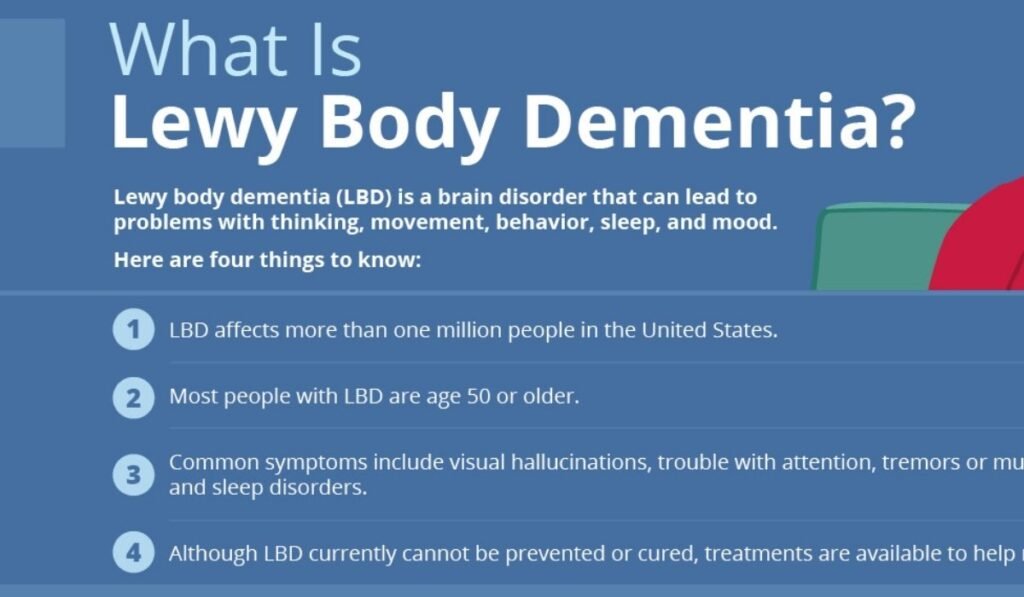
Lewy body dementia is caused by the buildup of alpha-synuclein protein in brain cells, forming abnormal structures called Lewy bodies. Lewy body demetia affects brain regions responsible for memory, movement, and thinking. The exact cause of protein accumulation is not fully understood in medical science. Genetic and environmental factors may contribute to its development. Lewy body dementia leads to progressive brain cell damage, resulting in cognitive and physical decline. Researchers continue studying why these protein deposits form and how they spread. Understanding the causes of Lewy body demntia helps in developing future treatments and improving early detection methods in neurological healthcare.
Early Symptoms and Warning Signs
Lewy body dementia often begins with subtle symptoms that gradually worsen over time. Early signs include memory problems, confusion, and difficulty concentrating. Lewy body dementia may also cause visual hallucinations, sleep disturbances, and changes in alertness. Patients may experience fluctuations in mental clarity throughout the day. Movement issues similar to Parkinson’s disease can also appear early. Recognizing these symptoms is important for timely diagnosis and treatment. Lewy body demntia symptoms can be mistaken for other neurological conditions, making early identification challenging. Awareness of these warning signs helps families and doctors provide better care and support for affected individuals.
Cognitive Decline in Lewy Body Dementia

Lewy body dementia causes progressive cognitive decline that affects thinking, reasoning, and memory abilities. Patients may struggle with decision-making, problem-solving, and understanding complex information. Lewy body demenia leads to fluctuations in cognitive performance, where mental clarity may change throughout the day. Memory loss is often less severe than in Alzheimer’s disease during early stages but worsens over time. Attention and focus difficulties are common symptoms. Cognitive decline significantly impacts daily life and independence. Lewy body dementia requires continuous monitoring and care to manage these symptoms effectively and improve quality of life for patients and caregivers.
Hallucinations and Behavioral Changes
Lewy body dementia frequently causes vivid visual hallucinations that are often detailed and realistic. Patients may see people, animals, or objects that are not present. Lewy body dementia also leads to behavioral changes such as confusion, anxiety, and mood swings. These symptoms can be distressing for both patients and caregivers. Hallucinations are a key distinguishing feature of Lewy ody dementia compared to other dementia types. Behavioral symptoms may worsen during illness or stress. Managing these changes requires medical support and a calm environment. Lewy ody dementia affects perception and emotional regulation, making behavioral care an important part of treatment.
Movement and Motor Symptoms
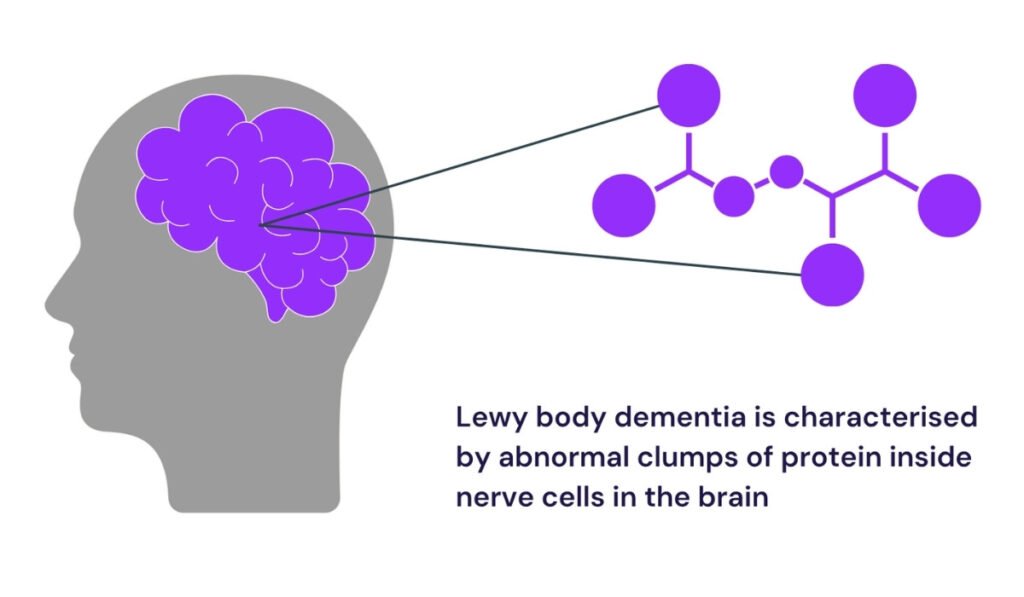
Lewy body dementia affects movement control due to its impact on brain regions responsible for motor functions. Patients may experience stiffness, slow movement, tremors, and balance problems. Lewy body dementia shares similarities with Parkinson’s disease in terms of physical symptoms. These motor issues increase the risk of falls and injuries. Walking difficulties and reduced coordination are common as the disease progresses. Physical therapy is often recommended to support mobility. Lewy body demenia gradually reduces independence in movement and daily activities. Managing motor symptoms is essential for maintaining safety and improving quality of life in affected individuals.
Sleep Disorders and REM Sleep Behavior
Lewy body dementia is strongly associated with sleep disorders, especially REM sleep behavior disorder. Patients may physically act out dreams during sleep, sometimes violently. Lewy body demenia affects normal sleep cycles, leading to insomnia and daytime sleepiness. Sleep disturbances often appear before other major symptoms. These issues can disrupt both patient and caregiver rest. Medical professionals use sleep patterns as an important diagnostic indicator. Lewy body demetia impacts brain regulation of sleep and wake cycles. Treating sleep disorders helps improve overall health and daily functioning in patients experiencing this neurological condition.
Diagnosis of Lewy Body Dementia
Lewy body dementia is diagnosed through a combination of medical history, neurological exams, and cognitive testing. Doctors evaluate symptoms such as hallucinations, movement problems, and cognitive fluctuations. Lewy body demetia diagnosis may also involve brain imaging and sleep studies. There is no single test that confirms the condition. Diagnosis can be challenging due to symptom overlap with other diseases. Early and accurate diagnosis is important for treatment planning. Lewy body demntia requires specialist evaluation from neurologists experienced in dementia disorders. Proper diagnosis helps guide symptom management and improve patient care strategies.
Differences from Alzheimer’s Disease
Lewy body dementia is often compared to Alzheimer’s disease due to similar cognitive symptoms, but they are distinct conditions. Lewy body demntia typically involves more visual hallucinations and motor symptoms earlier than Alzheimer’s. Memory loss in Lewy body dementia may fluctuate more significantly. Alzheimer’s disease primarily affects memory first, while Lewy bdy dementia affects multiple brain functions simultaneously. Understanding differences helps doctors provide accurate diagnosis and treatment. Lewy body dementia requires different medication approaches compared to Alzheimer’s. Recognizing these differences is essential for effective care and management of both neurological conditions.
Differences from Parkinson’s Disease
Lewy body dementia and Parkinson’s disease share similar motor symptoms due to involvement of dopamine-producing brain cells. Lewy body demntia, however, includes early cognitive decline and hallucinations. Parkinson’s disease primarily begins with movement problems before cognitive issues appear later. Lewy body dmentia progresses with both mental and physical symptoms occurring together. Understanding these differences helps in clinical diagnosis and treatment planning. Lewy body dementa is sometimes referred to as Parkinson’s disease dementia when symptoms overlap. Accurate classification ensures better patient care and targeted therapies for neurological symptom management.
Treatment Options for Lewy Body Dementia
Lewy body dementia has no cure, but treatments focus on managing symptoms and improving quality of life. Medications may be used to address cognitive decline, hallucinations, and movement issues. Lewy body dementa treatment often includes cholinesterase inhibitors and other neurological drugs. Physical therapy and occupational therapy help maintain mobility and independence. Sleep management and behavioral therapy are also important components. Treatment plans are personalized based on symptom severity. Lewy body deentia requires ongoing medical supervision to adjust treatments as the condition progresses over time.
Role of Caregivers in Management
Lewy body dementia places significant responsibility on caregivers who support patients in daily life. Caregivers assist with medication, mobility, and emotional support. Lewy body demenia requires patience and understanding due to fluctuating symptoms. Caregivers often face emotional and physical challenges while managing care routines. Education and support groups help caregivers cope with responsibilities. Lewy body demetia care involves creating a safe and structured environment. Proper caregiver support improves patient quality of life and reduces stress. Family involvement is essential in long-term care planning for individuals affected by this condition.
Impact on Daily Life
Lewy body dementia significantly affects daily activities such as eating, dressing, and communication. Patients may require assistance with basic tasks as symptoms progress. Lewy body demntia causes fluctuations in alertness, making daily planning difficult. Independence gradually decreases over time. Safety becomes a major concern due to movement and cognitive issues. Structured routines help manage daily challenges. Lewy body demetia impacts both patients and families emotionally and physically. Adaptation and support systems are essential for maintaining quality of life. Daily care strategies must be flexible and responsive to changing symptoms.
Emotional and Psychological Effects
Lewy body dementia affects emotional health, leading to anxiety, depression, and mood changes. Patients may experience confusion and fear due to hallucinations. Lewy body dmentia also impacts family members emotionally as they witness cognitive decline. Psychological support is important for both patients and caregivers. Counseling and therapy can help manage emotional stress. Lewy ody dementia requires compassionate care approaches to improve mental well-being. Emotional stability plays a key role in overall disease management. Support networks are essential for coping with long-term neurological challenges associated with the condition.
Risk Factors and Age Considerations
Lewy body dementia primarily affects older adults, usually over the age of 60. Age is the strongest risk factor for developing the condition. Lewy body dementia may also be influenced by genetic predisposition and neurological history. Men are slightly more affected than women in some studies. Risk increases with age-related brain changes. Lewy body demetia is not caused by lifestyle alone but may involve multiple contributing factors. Understanding risk factors helps in early monitoring and diagnosis. Age-related neurological decline plays a significant role in disease development.
Research and Medical Advances
Lewy body dementia is an active area of medical research focusing on understanding protein buildup and brain degeneration. Scientists are studying better diagnostic tools and treatment methods. Lewy body demntia research aims to improve early detection and symptom management. Clinical trials are exploring new medications and therapies. Advances in brain imaging are helping improve diagnosis accuracy. Lewy body dementia research continues to grow globally in neuroscience fields. Future treatments may focus on slowing disease progression. Ongoing studies provide hope for improved care and management options.
Prevention and Early Intervention
Lewy body dementia currently has no known prevention, but early intervention can improve outcomes. Recognizing symptoms early allows for better management strategies. Lewy body dementia benefits from timely medical evaluation and support. Healthy lifestyle habits may support overall brain health. Cognitive stimulation and physical activity can help maintain function. Early diagnosis is crucial for planning care. Lewy body deentia requires proactive monitoring in at-risk individuals. While prevention is not guaranteed, early intervention improves quality of life and slows symptom progression.
Living with Lewy Body Dementia
Living with Lewy body dementia requires adaptation, support, and ongoing medical care. Patients may need assistance with daily tasks and emotional support. Lewy body dementia affects independence but can be managed with proper care systems. Structured environments help reduce confusion and anxiety. Family involvement is essential for long-term management. Lewy body dementia care focuses on comfort, safety, and dignity. Support services and medical supervision improve patient outcomes. Living with the condition requires patience, understanding, and consistent care strategies.
Conclusion on Lewy Body Dementia Awareness
Lewy body dementia is a complex neurological disorder that affects multiple brain functions, including cognition, movement, and behavior. Lewy body dementia requires early diagnosis, ongoing care, and strong support systems for patients and caregivers. While there is no cure, symptom management can improve quality of life. Awareness of Lewy body dementia helps improve understanding and support for affected individuals. Continued research offers hope for better treatments in the future. Education and awareness remain key in managing this challenging neurological condition.
FAQs
1. What is Lewy body dementia?
- A progressive brain disorder affecting thinking, movement, and behavior.
2. What causes Lewy body dementia?
- Protein buildup called Lewy bodies in brain cells.
3. Is Lewy body dementia curable?
- No, but symptoms can be managed with treatment.
4. What are early symptoms?
- Memory issues, hallucinations, and movement problems.
5. How is it treated?
- Through medication, therapy, and supportive care.
