

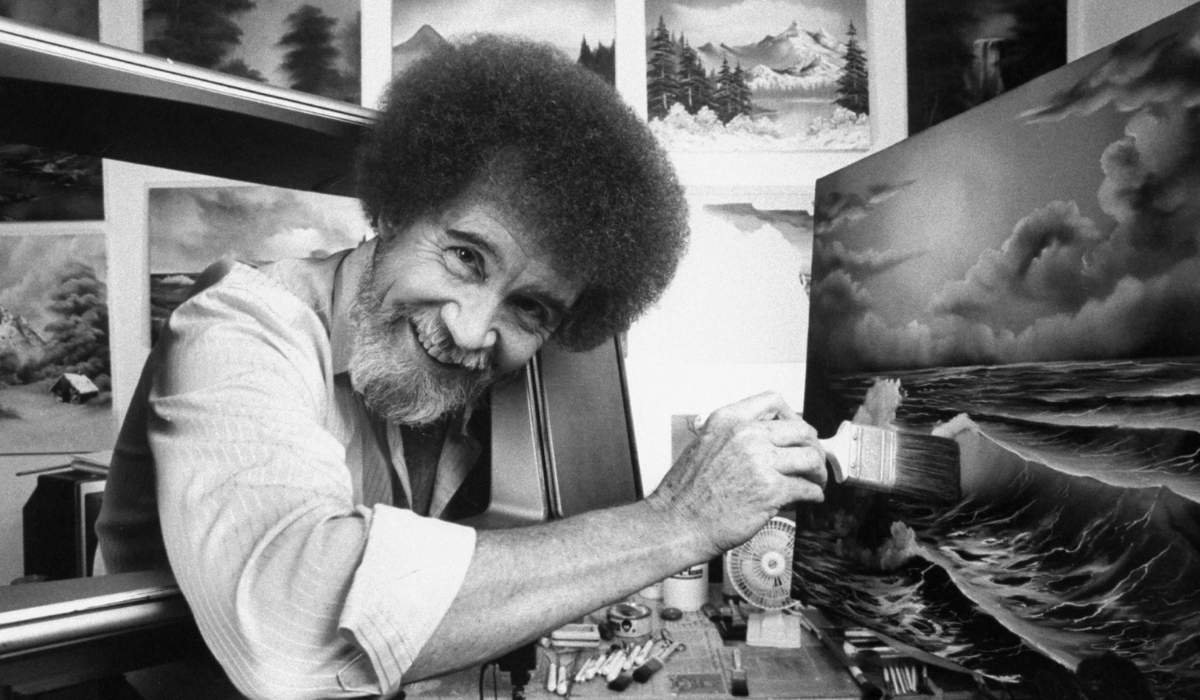
The name Bob Ross has become synonymous with serenity, creativity, and the belief that anyone can paint. As the host of The Joy of Painting, he invited millions of viewers into his world, where “happy little trees” and “almighty mountains” were created with nothing more than a palette knife and a gentle spirit. His influence extends far beyond his original television run, as his calming presence and accessible technique continue to inspire new generations of artists and enthusiasts. Understanding the man behind the easel reveals a story of patience, military discipline, and a profound commitment to the democratization of art.
| Quick Bio: Bob Ross | Details |
| Full Name | Robert Norman Ross |
| Birth Date | October 29, 1942 |
| Known For | Host of The Joy of Painting, wet-on-wet technique |
| Legacy | Cultural icon, symbol of peace and creativity |
Early Life and Military Service
Before he was a television icon, Bob Ross lived a life defined by military service. Born in Florida and raised in Alaska, he found himself drawn to the natural beauty that would later inspire his landscapes. At eighteen, he enlisted in the United States Air Force, where he spent twenty years reaching the rank of Master Sergeant. It was during his time stationed in Alaska that he first observed the rugged, snow-capped peaks that would become a staple of his artwork. This period instilled in him a sense of discipline and a desire for a peaceful post-military career.
Discovering the Wet-on-Wet Technique

The defining characteristic of the work of Bob Ross was his mastery of the “wet-on-wet” or alla prima oil painting technique. He was introduced to this method by his mentor, Bill Alexander. Unlike traditional painting, which often requires layers to dry before adding more, this approach allowed him to complete a painting in a single sitting by applying wet paint over wet paint. This revolutionized the way viewers perceived the creative process. It transformed art from an intimidating endeavor for the elite into a reachable, immediate activity that anyone could enjoy right from their own living room.
The Birth of The Joy of Painting
In 1983, The Joy of Painting premiered on PBS, and the television landscape was forever changed. Bob Ross brought a soft-spoken, encouraging demeanor that was entirely different from the fast-paced television of the era. He treated his audience not as spectators, but as peers, frequently assuring them that “we don’t make mistakes, just happy accidents.” This phrase became the cornerstone of his philosophy. By keeping his lessons simple and his demeanor gentle, he created a safe space for viewers to try their hand at creative expression without the fear of failure or criticism.
Philosophy of Happy Accidents

At the heart of the appeal of Bob Ross was his philosophy of “happy accidents.” He taught that a misplaced stroke of paint was not a catastrophe but a new opportunity for creative direction. This mindset was a reflection of his own outlook on life—one of forgiveness and optimism. By framing potential errors as positive outcomes, he empowered his viewers to let go of perfectionism. This aspect of his teaching is perhaps why his show remains so popular today; it serves as a form of therapy, reminding people that beauty can emerge from the unexpected.
The Role of His Iconic Afro
Beyond his artistic skill, the physical appearance of Bob Ross became a cultural brand. His iconic perm, which he maintained even though he grew to dislike it, was originally chosen for a practical, low-maintenance reason: it was inexpensive to keep up. Over time, it became the most recognizable silhouette in the world of public television. While he eventually wanted to change his hairstyle, the company associated with his brand insisted he keep it as it was on his logo. This highlights the tension between his authentic self and the commercial success that grew around his persona.
The Calmness of the Voice of Bob Ross

A significant part of the draw of the show was the voice of Bob Ross. His whispers, soft cadence, and lack of ego created a meditative experience. Many fans who never even picked up a paintbrush found themselves watching his episodes just to feel relaxed after a stressful day. He turned the act of painting into a form of ASMR long before the term became a digital sensation. His ability to maintain a soothing tone while discussing complex color theories and brush techniques made him one of the most comforting figures in media history.
Teaching Art to Everyone
Bob Ross was a firm believer that artistic ability was not an innate gift but a skill that could be learned through practice. He constantly emphasized that if he could learn to paint, then anyone could. This inclusive approach helped break down the barriers of the traditional art world. He did not care for high-minded criticism or the pretension often associated with fine art galleries. Instead, he wanted to give people the tools to express their own internal landscapes, fostering a sense of accomplishment that had nothing to do with museum approval or commercial sales.
The Business of Painting
The commercial empire of Bob Ross, known as Bob Ross Inc., was a complex subject in his life. While he sought to bring joy to the world, he also had to navigate the business side of his success. In his later years, he struggled with health issues while the company continued to expand. This era of his life is often the subject of documentaries, which have shed light on the challenges he faced regarding his creative rights and the legacy he was trying to leave behind for his son and family. It was a difficult period in an otherwise gentle life.
Legacy of the Bob Ross Documentary
The recent documentary focusing on the life of Bob Ross sparked renewed public interest and debate. It revealed that behind the scenes of the “happy” show were complex legal and corporate battles. Fans were surprised to learn about the disputes over the rights to his name and his image. Despite these behind-the-scenes controversies, the public image of Bob Ross has remained largely untarnished. The documentary served to highlight how much the artist was loved, and how much his fans felt protective over the legacy of the man who brought so much peace to their homes.
Impact on Pop Culture
Today, the influence of Bob Ross is everywhere. From apparel and action figures to digital art challenges and parody videos, he is a permanent fixture in modern pop culture. He has transcended his original role as a television host to become a symbol of kindness and gentleness in a harsh world. Whether it is through a Youtooz figure or a collaborative online mural, the spirit of Bob Ross continues to live on in creative communities that value his message of encouragement and the simple pleasure of creating something beautiful from a blank canvas.
Techniques for Beginners
If you are looking to emulate the success of Bob Ross, start with the basics. He often stressed the importance of having the right tools: good oil paints, a sturdy palette knife, and high-quality canvas. The “liquid white” base coat he used is the secret to his seamless blending. Don’t worry about the details in the beginning; focus on the flow of the paint. Remember that it takes time to get the brush pressure right, but once you do, the results can be incredibly rewarding. Just keep painting, and keep the joy in every stroke.
Encouragement for the Artist Within
The final message of Bob Ross to the world was always one of encouragement. He wanted everyone to know that they had the potential to create something worthy of display. The fear of the “blank canvas” is something every artist faces, but Bob Ross taught us that the only way to overcome it is to make the first mark. By prioritizing the act of creation over the final result, he freed millions of people to be artists in their own right. He proved that even a simple painting could be a source of immense personal pride.
The Environmental Inspiration
The landscapes painted by Bob Ross were deeply rooted in his love for the outdoors. He frequently spoke about his affinity for mountains, forests, and streams. He had a great respect for nature, which he often integrated into his lessons. By painting these scenes, he encouraged his viewers to appreciate the beauty of the natural world. He would often include animals like squirrels or birds in his studio, showing a tenderness toward all living things. His work serves as a reminder of our connection to the planet and the importance of preserving the landscapes we cherish.
A Legacy of Love and Kindness
Ultimately, the legacy of Bob Ross is not just about painting; it is about love and kindness. In a world that often celebrates competition and status, he celebrated the humble joy of creating for its own sake. He was a man who gave freely of his time and knowledge, asking for nothing in return but the happiness of his students. This generosity is what makes him a timeless figure. As long as people seek out creative outlets and look for moments of peace, the spirit of Bob Ross will be there to guide their brushes.
Influence on Modern Digital Art
Interestingly, the techniques of Bob Ross have found a new home in the digital age. Many digital artists cite him as their primary inspiration for learning how to layer colors and build landscapes in software like Photoshop or Procreate. The principles of the “wet-on-wet” style, adapted for digital brushes, allow creators to achieve that signature “Ross look.” This bridge between traditional oils and digital pixels shows the versatility of his teachings. His methods are so sound that they adapt perfectly to whatever tools an artist chooses to use, proving the timelessness of his vision.
The Joy of Painting for Mental Health
In recent years, therapists and health professionals have recognized the calming benefits of the show of Bob Ross. Many people watch his episodes as a form of mindfulness, finding that his soft voice and rhythmic painting style help lower their anxiety. The process of watching a painting evolve from start to finish provides a sense of closure and satisfaction that is rare in daily life. Bob Ross may not have been a psychologist, but his program has provided a vital service to millions by offering a few minutes of peace in an often chaotic world.
Remembering the Man, Not Just the Legend
It is important to remember that Bob Ross was a human being with his own struggles, joys, and complexities. He had a family, a career, and a life that extended far beyond the thirty minutes of television he gave us each week. By acknowledging his humanity, we can appreciate the magnitude of his gift even more. He chose to show the world his best self, and in doing so, he taught us that we could do the same. He was a beacon of light, and his life remains a beautiful example of how one person can change the world through simple acts of kindness.
Why We Need Bob Ross Today
In our current, high-speed digital world, the slow pace of Bob Ross is more relevant than ever. We are constantly bombarded with notifications and demands for perfection. He reminds us to take a breath, look at the sky, and appreciate the small details of our surroundings. He teaches us that it is okay to be slow, to be messy, and to be yourself. We need the reminder that creativity is not a race but a journey. As we face the challenges of the future, the lessons of Bob Ross remain a vital anchor for our collective well-being.
The Future of Art Education
The methods of Bob Ross have the potential to reshape how art is taught in schools. By shifting the focus away from technical precision and toward emotional expression, educators can help students develop confidence in their own creative voice. His influence has already inspired countless community classes and workshops that prioritize the joy of painting above all else. This movement toward “accessible art” is growing, and it owes a massive debt to the man who first taught the world that there were no mistakes—only happy little accidents waiting to happen on the canvas.
Final Reflections on the Joy of Painting
The story of Bob Ross is one of the most heartwarming tales in television history. He transformed the act of painting into a global phenomenon, leaving behind a legacy that is measured not in money or awards, but in the millions of smiles he created. Every time someone picks up a brush, dares to imagine a mountain, or forgives themselves for a “mistake,” Bob Ross lives on. He remains, quite simply, the kindest teacher the world has ever known, and his brushstrokes continue to color our lives with beauty, patience, and everlasting hope.
- Who was the host of The Joy of Painting?
- The legendary landscape painter Bob Ross hosted the show, teaching millions the wet-on-wet technique.
- What does the term “happy little accidents” mean in the context of the show?
- It was a phrase Bob Ross used to encourage viewers, suggesting that errors in painting were simply opportunities to try something new.
- Did Bob Ross have a background in the military?
- Yes, Bob Ross served in the United States Air Force for twenty years before becoming a professional painter.
- Why is Bob Ross still famous today?
- He is remembered for his calming presence, his philosophy of kindness, and his accessible approach to art, which continues to inspire many.
- Is the “wet-on-wet” painting technique difficult to learn?
- While it requires practice, Bob Ross made it highly accessible for beginners, focusing on simplicity and the joy of the creative process.
