

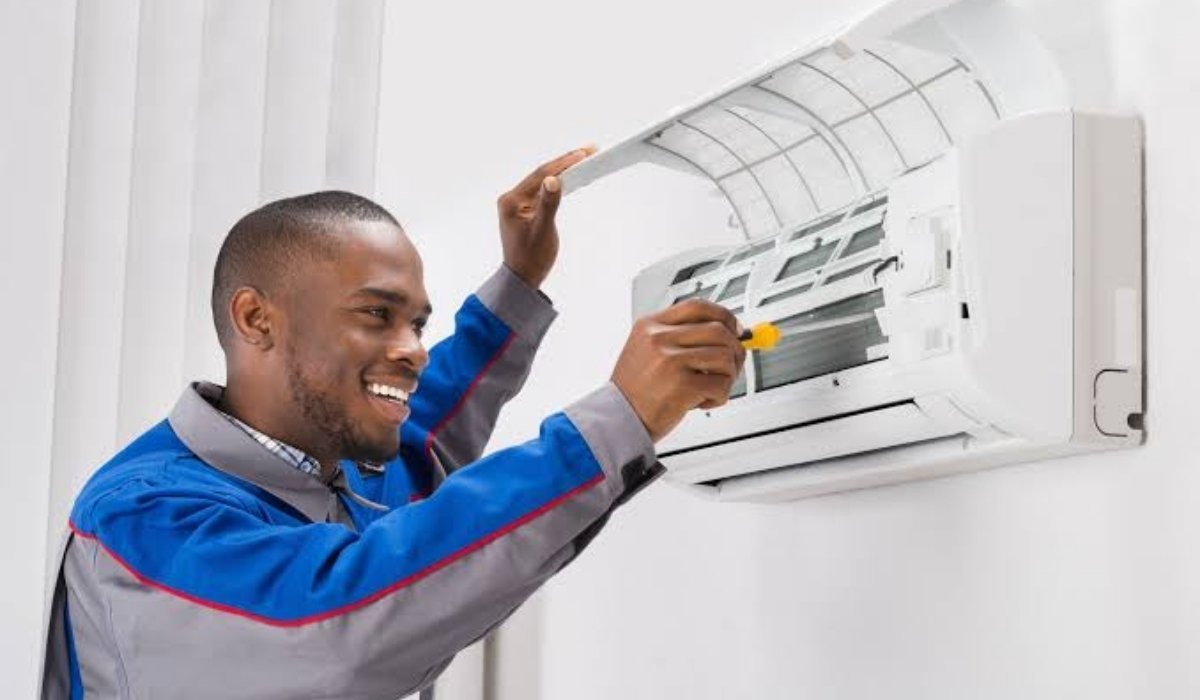
Air conditioner maintenance is the most effective way to protect your investment and ensure your home remains a cool sanctuary during the hottest months of the year. Many homeowners underestimate the impact of regular care, often waiting until a system failure occurs before taking action. By proactively addressing tasks like filter changes, coil cleaning, and system inspections, you can significantly improve your unit’s performance while slashing unnecessary energy costs. Whether you are looking to extend the lifespan of your cooling system or simply want to breathe cleaner, healthier air, understanding the basics of professional and DIY care is essential.
| Feature | Details |
| Primary Goal | Maximize efficiency and extend equipment lifespan |
| DIY Frequency | Monthly (filters) to seasonally (debris removal) |
| Professional Frequency | At least once annually (ideally before summer) |
| Key Benefits | Lower utility bills, improved air quality, fewer breakdowns |
| Signs You Need Help | Strange noises, warm air, rising energy bills, leaks |
The Importance of Regular System Care
Routine air conditioner maintenance is the backbone of a reliable cooling system. When you neglect your unit, dust, dirt, and debris inevitably accumulate on critical components like the evaporator and condenser coils. This buildup acts as an insulator, forcing the compressor to work twice as hard to achieve the same cooling effect. By scheduling consistent check-ups, you keep the system operating within the manufacturer’s design parameters. This practice prevents the “hidden” degradation that leads to sudden, costly failures during a heatwave when you need your cooling capacity the most.
Mastering the Monthly Air Filter Replacement
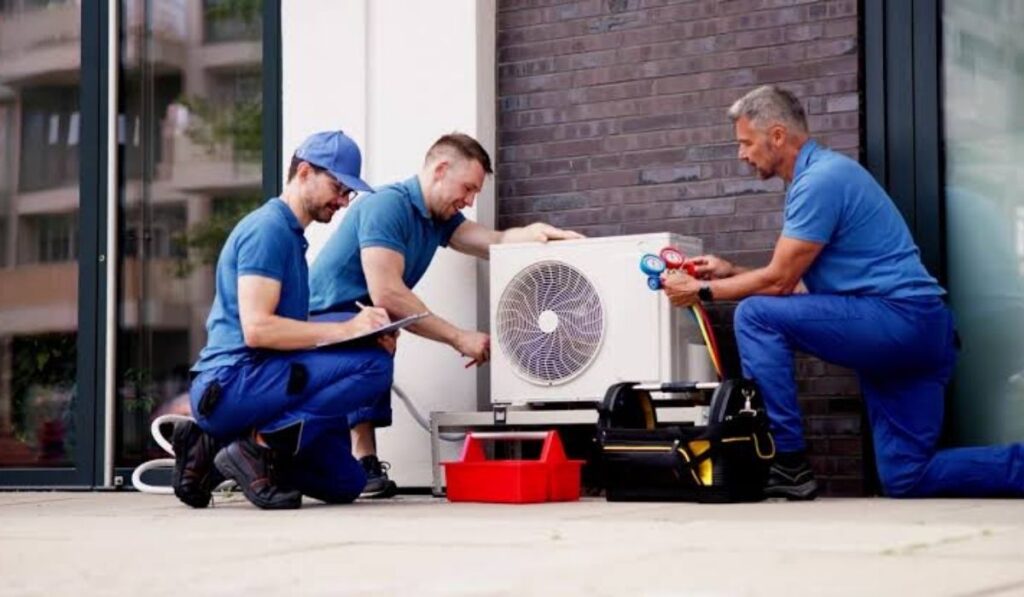
The air filter is the first line of defense for your HVAC system. A clogged filter restricts airflow, which is a common cause of system inefficiency and overheating. Replacing or cleaning your air conditioner filters every one to three months is the single most impactful task you can perform. If you live in a dusty area, have pets, or use the system year-round, you may need to check it more frequently. A fresh, clean filter allows your system to breathe, significantly reducing the strain on the blower motor and ensuring consistent cooling throughout your living space.
Keeping the Outdoor Condenser Unit Clear
Your outdoor unit is designed to expel heat from your home, so it requires ample space to function. Over time, grass clippings, leaves, and twigs can settle around the housing, effectively choking the system. Experts recommend maintaining a two-foot clearance zone around the entire unit. Trimming back shrubs and ensuring that decorative landscaping does not block the intake vents is vital. Proper airflow around the condenser prevents the unit from overheating and keeps your energy usage in check, making your air conditioner maintenance efforts pay off in lower monthly electricity bills.
Understanding the Role of Evaporator Coils
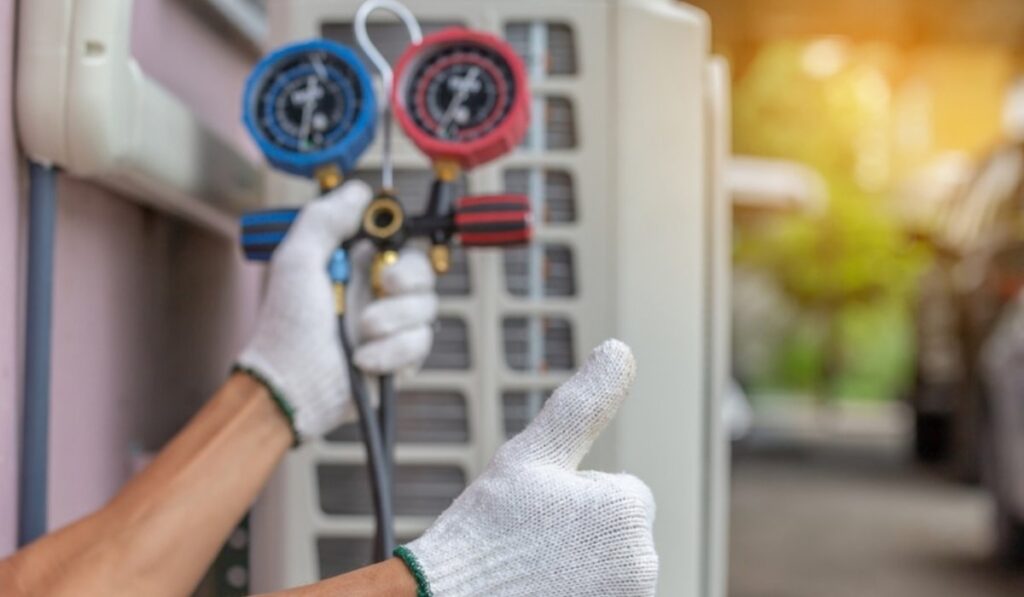
The evaporator coil, located indoors, is responsible for absorbing heat from your home’s air. Even with a clean filter, this component can collect grime over time, which hampers its ability to cool efficiently. During professional air conditioner maintenance, a technician will inspect and clean these coils to maintain peak performance. If you notice your home is not cooling as quickly as it used to, or if the unit seems to cycle on and off frequently, dirty coils are often the culprit. Keeping them clean is essential for effective heat exchange and optimal comfort.
Cleaning and Inspecting Condensate Drains
The condensate drain line carries away moisture removed from your air by the system. If this line becomes blocked with algae, mold, or debris, it can lead to water overflow, which can cause significant damage to your floors or walls. During routine air conditioner maintenance, clearing this drain is a priority. Homeowners can often check the drain pan for standing water as a red flag. Keeping this pathway clear is a simple way to prevent humidity spikes and potential water damage, keeping the internal environment of your system dry and properly functioning all season long.
Inspecting and Straightening Coil Fins
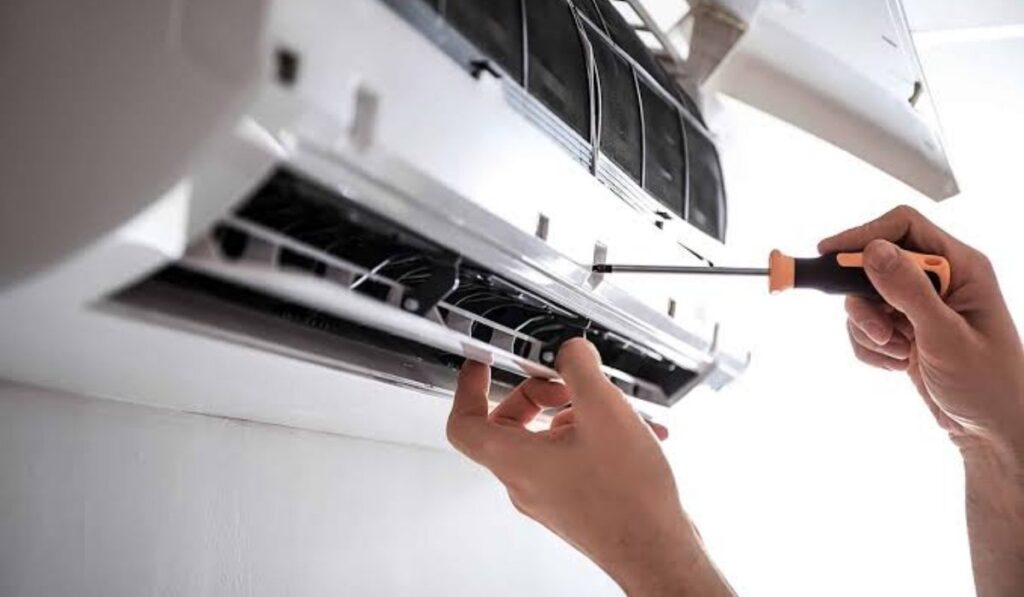
Coil fins are the delicate aluminum strips found on your condenser and evaporator coils. They are easily bent by debris or improper handling, which obstructs airflow and reduces system capacity. A qualified technician uses a specialized “fin comb” to straighten these components during a professional air conditioner maintenance visit. When fins are bent, the system loses efficiency and struggles to move air. By ensuring these fins are properly aligned, you help the heat transfer process, keeping your energy bills lower while maintaining a steady, comfortable temperature inside your home during the most intense summer heat.
Monitoring Refrigerant Levels for Efficiency
Refrigerant is the lifeblood of your cooling system; it absorbs heat from indoors and releases it outdoors. If your levels are low, it is usually a sign of a leak, which can be both environmentally harmful and damaging to your compressor. Professional air conditioner maintenance includes checking the charge and testing for these leaks. Because refrigerant handling requires specialized training and certification, this task should never be attempted by a homeowner. A properly charged system runs efficiently, whereas a low-refrigerant unit works harder and may eventually lead to a complete, expensive system failure.
Testing and Calibrating Your Thermostat
Your thermostat is the brain of your cooling system, dictating when and how it operates. Over time, it can lose its calibration or experience electrical issues, leading to uneven cooling or inaccurate readings. During air conditioner maintenance, technicians check the thermostat’s accuracy and ensure it communicates correctly with the control board. If your unit is older, this is also the perfect time to discuss upgrading to a smart thermostat. A smart device can help you optimize temperature settings while you are away, further enhancing the benefits of your regular air conditioner maintenance schedule.
Lubricating Moving Parts to Reduce Friction
The mechanical parts of your AC, including the blower motor and fan, are subject to wear and tear from constant motion. Proper lubrication of these components is a standard part of professional air conditioner maintenance. Without sufficient lubrication, parts experience increased friction, which leads to heat buildup and premature failure. By keeping these parts well-oiled, the system operates more quietly and smoothly. This small investment in maintenance prevents metal-on-metal wear, saving you from expensive component replacements down the road and ensuring your unit remains silent and reliable throughout its long operational lifespan.
Inspecting Electrical Connections and Components
Electricity powers your home’s cooling system, and loose connections or faulty wiring can be incredibly dangerous. During professional air conditioner maintenance, technicians perform a thorough safety inspection of all electrical terminals. They clean and tighten connections to prevent arcing and potential fire hazards. They also inspect contactors, capacitors, and other essential electrical parts that are prone to aging. Identifying a failing capacitor early, for instance, can save you from a complete breakdown. This proactive approach to electrical safety is one of the most important aspects of maintaining a healthy and functional unit.
Checking Ductwork for Potential Leaks
Your home’s ductwork is the delivery system for your conditioned air. If the ducts have leaks or disconnected joints, you are essentially cooling your attic or wall spaces instead of your living room. An inspection of the duct system is often included in comprehensive air conditioner maintenance. Signs of trouble include rooms that never reach the desired temperature or higher-than-expected energy bills. Sealing these gaps with professional-grade mastic or metal tape can drastically improve efficiency. Don’t ignore the ductwork; it is the silent partner to your AC unit in keeping your home comfortable.
Recognizing the Signs of a Failing System
Even with the best air conditioner maintenance, every machine eventually shows signs of aging. You should pay attention to symptoms like screeching, grinding, or rattling sounds, which often indicate motor or belt issues. If your unit is blowing warm air, or if you notice ice building up on the lines, you need to call a technician immediately. These are not DIY problems; they are indicators of serious issues like restricted airflow or coolant leaks. Being proactive about these warning signs helps you avoid emergency repairs and allows for planned, budget-friendly solutions rather than urgent, costly ones.
Preparing Your Unit for the Off-Season
When the summer heat finally fades, your system still requires attention. Properly preparing your air conditioner for the winter is a key part of long-term maintenance. For window units, this means removing and storing them or ensuring the seals are airtight. For central units, you might consider covering the outdoor condenser to protect it from harsh weather and debris. However, always consult your manufacturer’s guide, as some heat pump systems should never be covered. Proper off-season care prevents corrosion and debris accumulation, making it much easier to start up the system when the next spring arrives.
The Financial Benefits of Preventive Care
Investing in annual air conditioner maintenance is a smart financial strategy. While there is an upfront cost for a professional tune-up, it is negligible compared to the price of an emergency repair or a premature system replacement. Most HVAC professionals agree that a well-maintained system uses significantly less electricity, which adds up to substantial savings on your utility bills over time. By delaying the need for a new installation by several years, you are effectively stretching your initial investment. It is simply the most logical way to manage your household’s cooling expenses and long-term energy budget.
Enhancing Your Indoor Air Quality
Your air conditioner does more than just lower the temperature; it acts as a massive air filter for your home. When you perform regular air conditioner maintenance, you are directly improving the quality of the air you breathe. A clean system traps dust, pollen, and other allergens more effectively, keeping them out of your lungs. Conversely, a neglected system can become a breeding ground for mold and mildew if moisture is not properly managed. For families with allergy sufferers or respiratory concerns, consistent maintenance is not just about comfort—it is a vital component of home health.
Why Professional Expertise Matters
While you can handle basic tasks, there are aspects of air conditioner maintenance that absolutely require professional expertise. Handling pressurized refrigerants or complex electrical boards is dangerous and often requires specialized tools and licenses. Furthermore, many manufacturer warranties remain valid only if you provide proof of annual professional servicing. A qualified technician brings more than just tools; they bring years of diagnostic experience that allows them to identify tiny, invisible issues before they grow into disasters. Relying on experts ensures that your system remains safe, compliant, and performing at its absolute best throughout its entire lifespan.
Scheduling for Peak Efficiency
Timing is everything when it comes to keeping your home cool. The ideal time to schedule your professional air conditioner maintenance is in the spring, before the peak cooling season begins. This ensures that your system is ready for the first heatwave of the year, preventing the frustration of an early-summer breakdown. Plus, HVAC companies are often less busy in the spring than in the middle of a July heatwave, meaning you can often secure a more convenient appointment time. Planning ahead is the simplest way to guarantee a stress-free summer of comfort.
Common DIY Mistakes to Avoid
When attempting air conditioner maintenance yourself, there are a few common pitfalls. One is using high-pressure water to clean the coils, which can bend the delicate fins and damage the unit. Another is forgetting to shut off the power at the breaker before opening the unit, which poses a serious safety risk. Finally, many homeowners use the wrong filter type or size, which can restrict airflow and damage the motor. Always read your owner’s manual thoroughly and never hesitate to call a professional if you feel unsure about the process or the components involved.
Creating Your Custom Maintenance Calendar
To stay organized, create a simple calendar for your cooling system. Mark the months to check the filter, the date for seasonal debris removal, and the annual appointment for professional air conditioner maintenance. Using a simple smartphone reminder or a physical calendar on the wall can help you stay consistent. By turning these tasks into a habit, air conditioner maintenance you remove the guesswork and ensure that you are never caught off guard by a system failure. A few minutes of planning today will save you hours of inconvenience and hundreds of dollars in repair bills tomorrow.
A Greener Choice for Your Home
Beyond saving you money, proper air conditioner maintenance is an environmentally responsible choice. An efficient unit consumes less electricity, which reduces your household’s carbon footprint and lightens the demand on the local power grid. When every homeowner ensures their system is tuned to run at peak capacity, the collective energy savings are immense.air conditioner maintenance By taking pride in your maintenance routine, you are contributing to a more sustainable lifestyle. It is a win-win for your comfort, your wallet, and the planet, making it one of the most impactful home management habits you can adopt.
Final Thoughts on Sustainable Comfort
Maintaining your cooling system is a journey of small, consistent steps that lead to significant rewards. Whether it is cleaning a simple filter or scheduling a complex professional inspection, each action you take contributes to a more reliable home environment. As you become more familiar with your unit, you will gain the peace of mind that comes from knowing your home will stay cool regardless of the outside temperature. For those who want to dive deeper into the technical standards of HVAC care.
Frequently Asked Questions
- How often should I perform air conditioner maintenance?
- You should replace air filters every 1 to 3 months, and schedule a professional inspection at least once every year.
- What are the signs that my AC needs professional maintenance?
- Look for weak airflow, strange sounds, unusual odors, rising energy bills, or water leaks around the unit.
- Can I do all the air conditioner maintenance myself?
- You can handle basic tasks like cleaning filters and clearing debris, but complex electrical or refrigerant work must be left to pros.
- Does regular maintenance really save money on bills?
- Yes, a well-maintained unit runs more efficiently, which can reduce your monthly energy consumption by as much as 15%.
- Why is a professional technician necessary for my unit’s warranty?
- Many manufacturers require documented professional servicing to keep your warranty valid and protect you from paying for major repairs.
