

The world of manga and manhwa has grown exponentially, fueled by dedicated fan communities that bridge the language gap for international readers. One prominent name in this ecosystem is Olympus Scanlation, a group recognized for its to bringing Japanese, Korean, and Chinese comics to English-speaking audiences. Understanding the role of these groups helps fans appreciate the labor-intensive process behind every translated chapter they enjoy. By filling the void left by delayed or missing official translations, these volunteers ensure that niche and popular series alike find an enthusiastic global audience, fostering a deeper connection to diverse storytelling traditions and international art styles.
Quick Bio
| Attribute | Detail |
| Name | Olympus Scanlation |
| Activity | Fan-made translation and editing of manga/manhwa |
| Focus | Unlicensed or niche Asian comics |
| Nature | Volunteer-driven, non-commercial |
What is Olympus Scanlation?
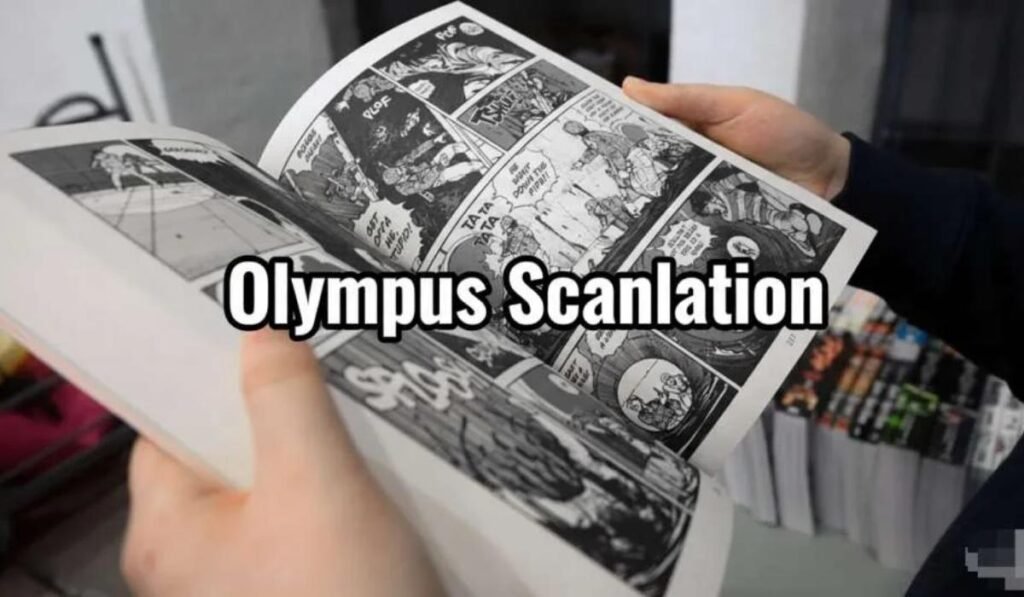
Olympus Scanlation is a volunteer-led collective that specializes in the translation and localization of manga, manhwa, and manhua. These groups are essential to the modern manga industry, acting as informal intermediaries for series that have not yet received an official license for English publication. By operating on a passion-driven model, members of Olympus Scanlation dedicate their personal time to ensuring that readers can access high-quality translations. Their name has become synonymous with consistency and quality, as they prioritize cultural accuracy and readable formatting, ultimately helping to grow the global fanbase for various artistic works from East Asia.
The Rise of Scanlation Culture
Scanlation culture emerged in the early 2000s as a direct response to the lack of accessibility for international fans of Japanese media. Before the digital age, access to these stories was limited to expensive imports or infrequent official translations. The rise of dedicated groups changed this dynamic significantly. These volunteers created an informal distribution network that allowed stories to reach fans regardless of geographical barriers. By providing free access to content, groups like Olympus Scanlation played a pivotal role in popularizing manga and manhwa, turning what was once a niche hobby into a massive, interconnected global community of dedicated readers.
Understanding the Workflow Process
The workflow at a group like Olympus Scanlation is surprisingly complex, involving several distinct stages that mirror professional publishing. The first phase is raw acquisition, where members obtain the original material. This is followed by translation, where bilingual volunteers convert the original script while preserving cultural nuances. Image cleaning is perhaps the most tedious part, requiring the removal of original text and the restoration of artwork. Finally, typesetting and quality control ensure the finished product is readable and visually appealing. This pipeline requires high levels of coordination and time management, often involving dozens of individuals working remotely across various time zones.
The Role of Language Specialists
Translators are the backbone of any scanlation project, tasked with more than just word-for-word conversion. At Olympus Scanlation, the focus is on maintaining the tone, personality, and cultural context of the original dialogue. Language specialists must be proficient enough to understand complex puns, idiomatic expressions, and stylistic choices that define a character’s speech pattern. They play a crucial role in “enculturation,” deciding when to keep specific Japanese terms for authenticity and when to localize them for broader readability. Their skill ensures that the emotional impact of a scene remains intact regardless of the target language being used.
Importance of Image Cleaning and Redrawing
Image cleaning is an essential art form within the scanlation community. When the original Japanese text is removed from a page, it often leaves gaps in the intricate artwork. Redrawers take on the challenge of filling these empty spaces, often using digital painting tools to replicate the artist’s original style, shading, and linework. For scenes featuring detailed backgrounds or complex action panels, this step can take hours per page. This level of dedication at Olympus Scanlation separates high-quality releases from amateur attempts, ensuring that the visual experience for the reader is as immersive and clean as a professional volume.
Typesetting and Visual Presentation
Typesetting is the final artistic touch that brings the translated dialogue to life. It involves selecting the appropriate font, size, and weight to match the mood of the scene—such as using bold, jagged fonts for loud action sounds or soft, rounded fonts for quiet whispers. The typesetter at Olympus Scanlation must master the balance of text placement within speech bubbles so it does not obstruct vital character expressions or background details. By treating the text as part of the overall layout, the team ensures that the reading experience remains fluid and engaging, maintaining the creator’s intended aesthetic throughout the chapter.
Recruitment and Team Structure
Groups like Olympus Scanlation often maintain their operations through a structured hierarchy of volunteers. Recruitment usually happens via community Discord servers or forums, where applicants are asked to submit samples of their work. A team is typically composed of project managers, translators, cleaners, redrawers, and typesetters. This internal structure allows for a clear division of labor, ensuring that no single member is overwhelmed by the demands of a series. Mentorship is also common, with experienced members training newcomers, which helps preserve the collective’s standards and fosters a supportive environment for those looking to develop their localization skills.
Challenges in Raw Acquisition
Obtaining high-quality “raw” materials is the necessary starting point for every project. These raws are usually digital scans of physical magazines or webtoon files purchased legally in their country of origin. The challenge for Olympus Scanlation lies in the logistical requirements of scanning pages at high resolution without damaging the binding or sacrificing image quality. As technology improves, the process has become more streamlined, yet it remains a significant hurdle. Collectors who provide these high-quality scans are vital, as the entire translation pipeline relies on starting with a clear, accurate, and high-fidelity image source.
Navigating the Legal Gray Area
The legal status of scanlation is a contentious issue that most groups navigate with an informal, self-imposed code of ethics. Since these groups do not have permission from the original copyright holders, they technically operate in a legal gray area. To mitigate potential friction, organizations like Olympus Scanlation usually commit to dropping a series immediately if an official English license is announced. This policy shows respect for the original artists and publishers. By directing their readers toward official platforms once a legal version is available, these groups aim to support the creator’s livelihood while serving the fan community.
Community Engagement and Feedback
Communication is key to the success of Olympus Scanlation. Through platforms like Discord, Reddit, and social media, the team gathers direct feedback from readers. This interaction helps the team understand what readers value most, whether it is translation speed, font choices, or specific genre interests. This community-driven approach not only helps in prioritizing which series to translate next but also fosters a sense of belonging among the fans. For many readers, the ability to engage with the translators and editors adds a personal touch to the experience, transforming a simple act of reading into an interactive social event.
Safety and Online Security
Readers interacting with scanlation content need to be aware of online safety. While official group channels are generally safe, third-party “aggregator” sites that rehost the work of groups like Olympus Scanlation often host invasive advertisements and malicious redirects. Experts recommend using reputable ad-blockers and keeping browsers updated to mitigate risks. It is also wise to stick to the group’s official release channels when possible. By exercising caution and using modern security tools, fans can enjoy their favorite series without exposing their devices to the unnecessary risks often found on lower-quality or unmoderated hosting websites.
Evolution of Digital Reading
The way fans consume manga has undergone a drastic transformation over the past decade. With the rise of smartphones and tablets, portable reading has become the standard. Olympus Scanlation has adapted by optimizing their releases for a variety of screen sizes and reading apps. The transition from desktop-based forums to mobile-friendly interfaces has made reading more convenient than ever. Additionally, browser extensions and reader apps have simplified the experience, allowing for features like night mode, continuous scrolling, and offline reading, which have all contributed to the sustained popularity of fan-translated media in the modern digital era.
Impact on the Global Manga Industry
The influence of scanlation groups on the global manga market cannot be overstated. By introducing obscure or niche titles to international audiences, these groups help build the demand that eventually encourages publishers to acquire official licenses. When a series gains a dedicated following through early fan translations, it proves that there is a viable market, often paving the way for official releases that might never have happened otherwise. This symbiotic relationship between fans and the industry highlights the power of grassroots movements in shaping the preferences and trends of the global publishing landscape.
Language Learning and Cultural Exchange
Many readers use translations as a tool for language learning and cultural immersion. By comparing the original text with the work provided by Olympus Scanlation, enthusiasts often gain a better grasp of Japanese, Korean, or Chinese grammar and vocabulary. Beyond linguistics, these comics act as windows into different cultures, teaching readers about historical events, social customs, and regional values that might not be found in Western media. This educational aspect provides an added layer of value to the work, turning an entertaining hobby into a journey of discovery and global appreciation for Asian storytelling.
Future of Fan Translations
As official digital platforms continue to expand their catalogs, the nature of groups like Olympus Scanlation will likely continue to evolve. Some predict a shift toward more collaborative efforts between fan communities and official publishers, while others believe the focus will remain on the most niche or experimental titles that publishers might overlook. Regardless of the future, the passion for these stories remains constant. The dedication to accuracy and quality that has defined the group’s legacy will likely remain the gold standard, ensuring that fans always have access to the stories they love, no matter the medium or industry shift.
Supporting Official Releases
While fan groups provide an invaluable service, the ultimate goal for many is the support of the original creators. When an official translation becomes available, purchasing a digital or physical copy is the best way to ensure the author can continue their work. Olympus Scanlation strongly advocates for this cycle of support. By using their platforms to highlight the legal versions, they help transition fans from the amateur to the professional sphere. This support is the lifeblood of the industry, keeping the creative ecosystem healthy and allowing for the production of the next generation of manga and manhwa masterpieces.
The Passion Behind the Project
At its heart, the work done by this group is driven by a genuine love for the craft of storytelling. Without financial compensation, the members are motivated by the satisfaction of seeing a reader engage with a story they helped translate. This passion is evident in the attention to detail, from the choice of fonts to the nuanced translation of cultural jokes. It is this human element that makes the community so vibrant and enduring. As long as there are stories left untold in other languages, dedicated volunteers will be there to bridge the gap and share the experience.
Final Thoughts on Accessibility
Accessibility is the driving force behind everything the group does. In a world where entertainment is increasingly globalized, the ability to read and share stories from different cultural backgrounds is more important than ever. Olympus Scanlation proves that when fans come together with a common goal, they can create an incredible resource that enriches the lives of readers everywhere. As the community continues to grow, it remains a testament to the power of volunteerism and the universal desire to connect through the art of the comic. The impact of their work will continue to be felt for many years to come.
How to Get Involved
For those interested in contributing their skills to the community, most groups like Olympus Scanlation have open-door policies for recruitment. Whether you are an aspiring translator, a tech-savvy editor, or an artist looking to practice redrawing, there is always a place for willing hands. Joining a team is a fantastic way to learn new skills, contribute to the preservation of cultural content, and meet like-minded fans from around the world. It requires patience and a commitment to quality, but the sense of accomplishment that comes with helping a beloved series reach an international audience is truly unmatched. For more information on the history and ethics of this practice, you can visit the on Scanlation.
Frequently Asked Questions
- What does Olympus Scanlation do?
- They are a volunteer group that translates, edits, and shares manga and manhwa with global audiences.
- Is the work done by this group legal?
- It exists in a legal gray area, but the group typically respects copyright by stopping work when official licenses appear.
- Do the members get paid for their contributions?
- No, the organization is entirely non-profit, and all work is performed by unpaid volunteers out of passion.
- How can I find official versions of manga?
- You can visit legitimate platforms like VIZ Media, Manga Plus, or Crunchyroll to support the original creators directly.
- Is it safe to visit fan translation websites?
- While official group channels are generally safe, always use a good ad-blocker to avoid potential risks from third-party mirror sites.
