

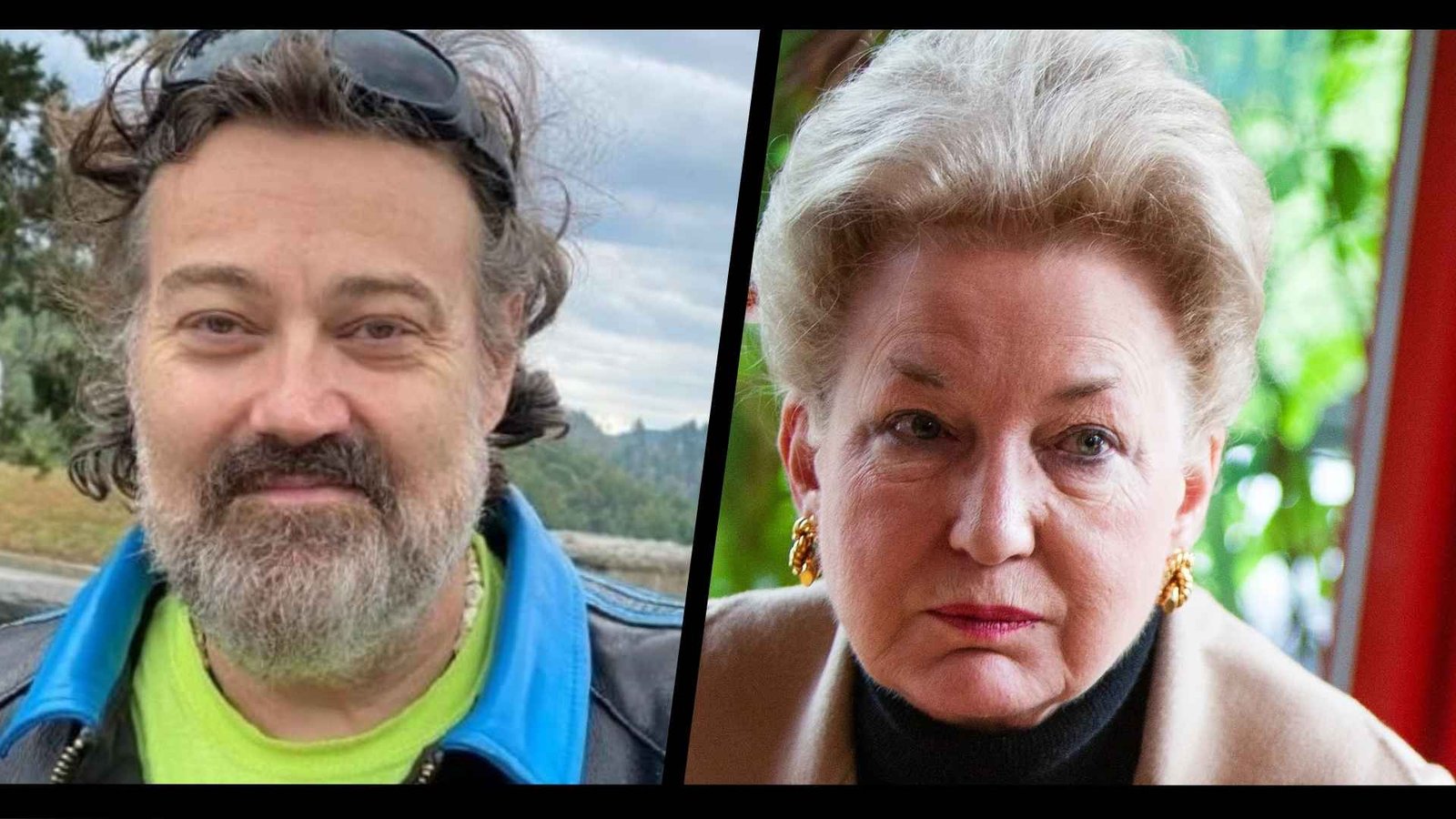
The name David William Desmond resonates with a unique blend of professional distinction and high-profile familial connections. As a respected clinical psychologist, he has dedicated his career to the complexities of the human mind, contributing significantly to the field of behavioral science. Beyond his professional accolades, he is widely recognized as a member of the Trump family, specifically as the son of the late Maryanne Trump Barry and the nephew of the 45th and 47th U.S. President, Donald Trump. This article provides an in-depth exploration of his life, tracing his journey from an influential upbringing to his established career in healthcare and academia.
| Full Name | David William Desmond |
| Profession | Clinical Psychologist, Research Academic |
| Field of Expertise | Neuropsychology, Behavioral Sciences, Cognitive Research |
| Date of Birth | c. 1960 |
| Place of Birth | New York, United States |
| Father | David William Desmond Sr. (1934–2006) |
| Mother | Maryanne Trump Barry (1937–2023; Federal Judge) |
| Uncle | Donald Trump (45th & 47th U.S. President) |
| Education (Undergraduate) | University of Chicago (A.B. in Behavioral Sciences, 1982) |
| Education (Graduate) | Fordham University (Ph.D. in Clinical Psychology, 1990) |
| Primary Research Focus | Cognitive recovery and dementia following ischemic stroke |
| Notable Publications | Research featured in journals such as Neurology and Stroke |
| Key Academic Affiliations | Fordham University, Columbia University (Research context) |
| Professional Licensing | Licensed Psychologist (New York State) |
| Public Profile | Private; focuses on medical and academic contributions |
The Early Life and Background of David William Desmond
Born into a family that would eventually become one of the most prominent in American history, David William Desmond was raised in an environment characterized by achievement and public service. His mother, Maryanne Trump Barry, was a formidable figure in the American legal system, serving as a senior judge on the United States Court of Appeals for the Third Circuit. Growing up with a mother of such professional stature undoubtedly influenced his own drive for excellence. His father, David William Desmond Sr., was Maryanne’s first husband, and although the couple eventually divorced in 1980, the foundational years of David’s life were rooted in the values of the Trump family legacy.
Educational Milestones: A Foundation in Behavioral Science

The academic journey of David William Desmond reflects a deep-seated interest in understanding human behavior. He pursued his undergraduate studies at the University of Chicago, an institution renowned for its rigorous intellectual environment. In 1982, he earned his A.B. in Behavioral Sciences, a degree that provided the theoretical groundwork for his future endeavors. This period of his life was crucial, as it allowed him to explore the intersections of psychology and social dynamics. The analytical skills he honed at Chicago would later serve as the bedrock for his clinical practice and research contributions.
Advanced Studies: Earning a Ph.D. in Clinical Psychology
Following his success in Chicago, David William Desmond moved to New York to further specialize in his chosen field. He enrolled at Fordham University, where he undertook an intensive doctoral program. Between 1982 and 1990, he worked toward his Ph.D. in Clinical Psychology, a journey that involved extensive clinical training and original research. Earning a doctorate in this discipline requires not only a high level of intelligence but also a profound capacity for empathy and professional ethics. His time at Fordham solidified his status as a specialist capable of handling complex psychological cases.
Professional Career: The Practice of Clinical Psychology
As a licensed clinical psychologist, David William Desmond has built a career focused on diagnostic precision and patient care. His work typically involves assessing mental health disorders, providing therapeutic interventions, and helping individuals navigate cognitive challenges. Unlike some members of his extended family who pursued real estate or politics, David chose a path centered on the healthcare sector. This professional choice highlights a commitment to social utility and individual well-being. Over the years, his clinical work has likely touched the lives of many, offering support through evidence-based psychological practices.
Research and Contributions to Neuropsychology
One of the most impressive aspects of David William Desmond’s career is his contribution to medical research, particularly in the realm of neuropsychology. His research has often focused on the cognitive impacts of medical conditions, such as ischemic stroke and dementia. By documenting the frequency and clinical determinants of cognitive decline, he has provided valuable data to the medical community. His published works, such as those appearing in the journal Neurology, examine the short-term trajectories of poststroke cognitive function, helping clinicians better understand how to treat and rehabilitate patients following brain injuries.
David William Desmond and the Trump Family Connection
While his professional life is defined by psychology, his public profile is often linked to the Trump family. As the nephew of Donald Trump, David is part of a political and business dynasty that has shaped the modern American landscape. Despite the intense media scrutiny often directed toward his family, David William Desmond has largely maintained a private and low-key existence. He has not sought the political limelight, instead maintaining focus on his medical career. This distinction has allowed him to build a personal brand that is defined more by his own achievements than by his famous last name.
The Influence of Maryanne Trump Barry
The relationship between David William Desmond and his mother, Maryanne Trump Barry, was a central pillar of his life. Maryanne was known for her sharp legal mind and her dedication to the federal bench. Her influence on David was likely profound, as both shared a commitment to professional disciplines that require high levels of analysis—law for the mother and psychology for the son. Following her passing in November 2023, the legacy of her career and her role as a mother became a point of reflection for many who followed the family’s history.
Family Ties: Relationships with Aunts and Uncles
Growing up, David William Desmond was surrounded by influential relatives, including his late uncles Fred Trump Jr. and Robert Trump, and his aunt Elizabeth Trump Grau. These familial connections provided a network of high-achieving individuals, each contributing to the Trump family’s diverse interests. While his uncle Donald Trump became a global figure through the Trump Organization and the U.S. presidency, David remained an observer of the political theater, choosing to contribute to society through the quieter, yet equally vital, field of mental health.
Privacy and Public Image: Navigating the Limelight

Maintaining privacy while belonging to a family as scrutinized as the Trumps is no small feat. David William Desmond has successfully managed to keep his personal life out of the tabloids. He is rarely seen at political rallies or partisan events, suggesting a preference for professional solitude over public fanfare. This approach has earned him respect within professional circles, where he is viewed as a serious academic and practitioner rather than a socialite. His ability to navigate the complexities of his family’s fame while staying true to his career is a testament to his character.
Clinical Expertise: Areas of Specialization
Throughout his years of practice, David William Desmond has developed expertise in several key areas. His background in behavioral sciences and clinical psychology allows him to address a wide range of issues, from anxiety and depression to more complex neurological disorders. In a clinical setting, a psychologist of his caliber uses various tools, including cognitive-behavioral therapy (CBT) and neuropsychological assessments, to improve patient outcomes. His work ensures that patients receive tailored care that addresses both the emotional and biological components of mental health.
Contributions to Academic Literature
Academic publishing is a vital part of the scientific process, and David William Desmond has made his mark here as well. By authoring and co-authoring peer-reviewed articles, he has shared his findings with the global scientific community. His research into dementia after stroke has been particularly influential, as it addresses a growing concern in an aging population. These contributions are significant because they bridge the gap between clinical observation and scientific theory, providing a roadmap for other healthcare professionals to follow in the treatment of cognitive impairment.
The Role of a Psychologist in Modern Society
The work of individuals like David William Desmond is more important today than ever before. As society becomes more aware of the importance of mental health, the demand for highly trained clinical psychologists continues to rise. David’s career represents the “quiet side” of the Trump family—one focused on science, healing, and academic rigor. By choosing a life of service in the medical field, he reinforces the idea that success can be measured in many ways beyond financial wealth or political power.
Legacy of the Desmond and Trump Families
As the son of David William Desmond Sr. and Maryanne Trump Barry, David stands at the intersection of two families. His father’s side, though less public, provided half of his heritage, while the Trump side brought him into the fold of American history. His legacy is one of intellectual pursuit. Whether through his research at Fordham University or his clinical work in New York, he has established a name for himself that stands independently of his lineage. He represents a bridge between a storied past and a professional future dedicated to the betterment of others.
Understanding the Scientific Impact of His Research
To truly appreciate the career of David William Desmond, one must look at the data he has produced. His studies on the incidence of dementia after ischemic stroke provided critical insights into how the brain recovers—or fails to recover—after trauma. This type of research is essential for developing preventative measures and rehabilitation protocols. For many families dealing with the aftermath of a stroke, the findings of researchers like Desmond provide hope and a clearer understanding of what the future might hold for their loved ones.
Professional Associations and Ethics
As a doctor of psychology, David William Desmond adheres to the strict ethical guidelines set forth by professional bodies such as the American Psychological Association (APA). These guidelines govern patient confidentiality, the integrity of research, and the general conduct of practitioners. His long-standing career without public controversy speaks to his adherence to these professional standards. In the high-stakes world of New York clinical practice, maintaining such a reputation is a significant achievement.
Personal Interests and Life Outside the Clinic
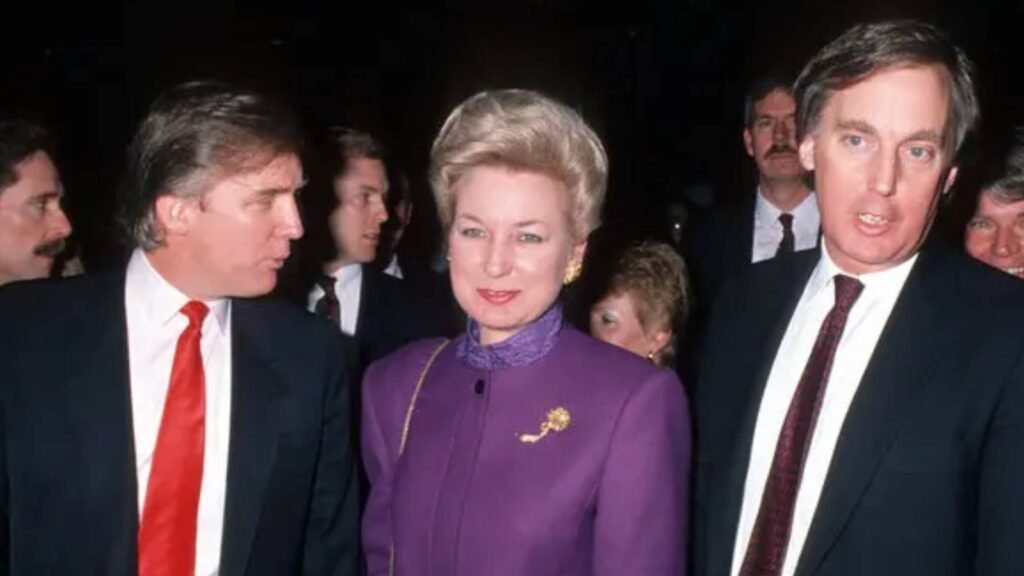
While much is known about his professional and family life, David William Desmond keeps his personal hobbies and interests private. This discretion is consistent with his overall approach to his public image. It is likely that his interests are as intellectually stimulating as his career, perhaps involving a love for the arts, travel, or continuing education. Regardless of his specific hobbies, his life appears to be one of balance, successfully managing the pressures of his profession with the quietude of a private personal life.
The Future of Clinical Psychology and Research
As we look toward the future, the work of David William Desmond and his peers will continue to be relevant. The field of neuropsychology is rapidly evolving with new technologies and imaging techniques. While David’s earlier research provided a foundation, new generations of psychologists will build upon his findings regarding cognitive health. His career serves as an inspiration for students entering the field, demonstrating how a focus on specialized research can lead to a fulfilling and impactful professional life.
Conclusion
In summary, David William Desmond is a figure of significant professional merit whose life has been shaped by both his own intellectual drive and his prominent family ties. From his rigorous education at the University of Chicago and Fordham University to his impactful research in neuropsychology, he has proven to be a dedicated servant of the sciences. While the world may often view him through the lens of the Trump family, his true legacy lies in his contributions to the field of clinical psychology. He remains a respected figure, balancing the weight of a famous name with the quiet dignity of a medical professional.
Frequently Asked Questions (FAQs)
1. Who is David William Desmond?
David William Desmond is a professional clinical psychologist and a member of the Trump family. He is the son of the late federal judge Maryanne Trump Barry and the nephew of Donald Trump.
2. What is David William Desmond’s educational background?
He earned an A.B. in Behavioral Sciences from the University of Chicago in 1982 and a Ph.D. in Clinical Psychology from Fordham University in 1990.
3. Is David William Desmond involved in politics?
Unlike many of his relatives, David William Desmond has not pursued a career in politics. He has focused his life’s work on healthcare, clinical practice, and psychological research.
4. What kind of research has David William Desmond published?
His research is primarily focused on neuropsychology, specifically investigating the cognitive effects of ischemic stroke and the prevalence of dementia in stroke survivors.
5. Who were David William Desmond’s parents?
His mother was the late Maryanne Trump Barry, a prominent U.S. judge, and his father was David William Desmond Sr., Maryanne’s first husband.
6. Where does David William Desmond practice psychology?
He has spent much of his professional life in New York, where he completed his doctoral training and established his career in the clinical and research sectors of psychology.
