

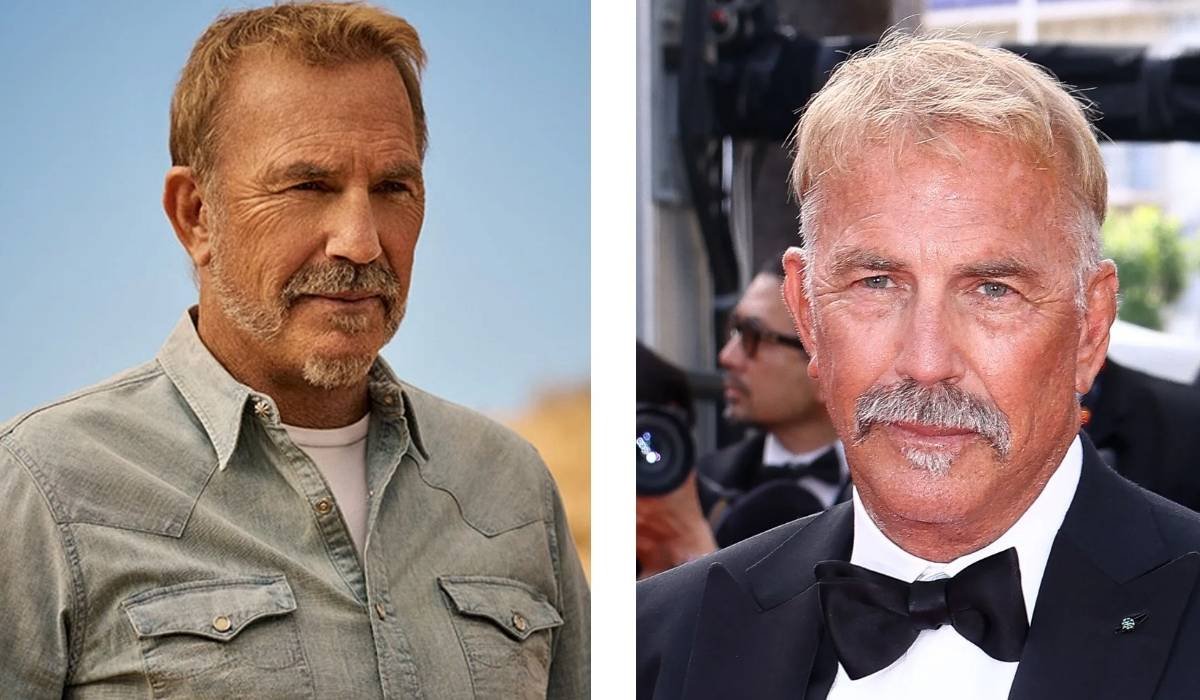
Early Life and Background of Kevin Costner
Kevin Michael Costner entered the world on January 18, 1955, in Lynwood, California. Raised in a working-class family, his father was a utilities executive, which required the family Kevin Costner to relocate frequently across various regions in California. These constant moves Kevin Costner meant he was often the new kid in school, which he later described as a challenging experience that fostered Kevin Costner a sense of insecurity. Despite these early struggles, he found solace in Kevin Costner athletics and artistic pursuits like singing in the choir and writing poetry. He eventually Kevin Costner attended California State University, Fullerton, where he focused his academic efforts on business and marketing degrees.
| Quick Bio | Details |
| Full Name | Kevin Michael Costner |
| Birth Date | January 18, 1955 |
| Birthplace | Lynwood, California |
| Profession | Actor, Director, Producer, Musician |
| Famous Roles | John Dunbar, Jim Garrison, John Dutton |
| Key Awards | 2 Academy Awards, 3 Golden Globes |
Discovering a Passion for Acting
While attending university, Kevin Costner began to explore the arts, though he did not initially view acting as a viable long-term career path. During his final year of Kevin Costner studies, he started taking acting classes, finding a deep sense of purpose in the craft that he had not felt in his business courses. A serendipitous encounter on an airplane with the legendary Kevin Costner actor Richard Burton proved to be a significant turning point in his life. Burton encouraged him to pursue acting with unwavering commitment. This Kevin Costner pivotal advice fueled his decision to move forward, leading him to abandon his corporate path for Hollywood.
The Struggles of the Late Seventies
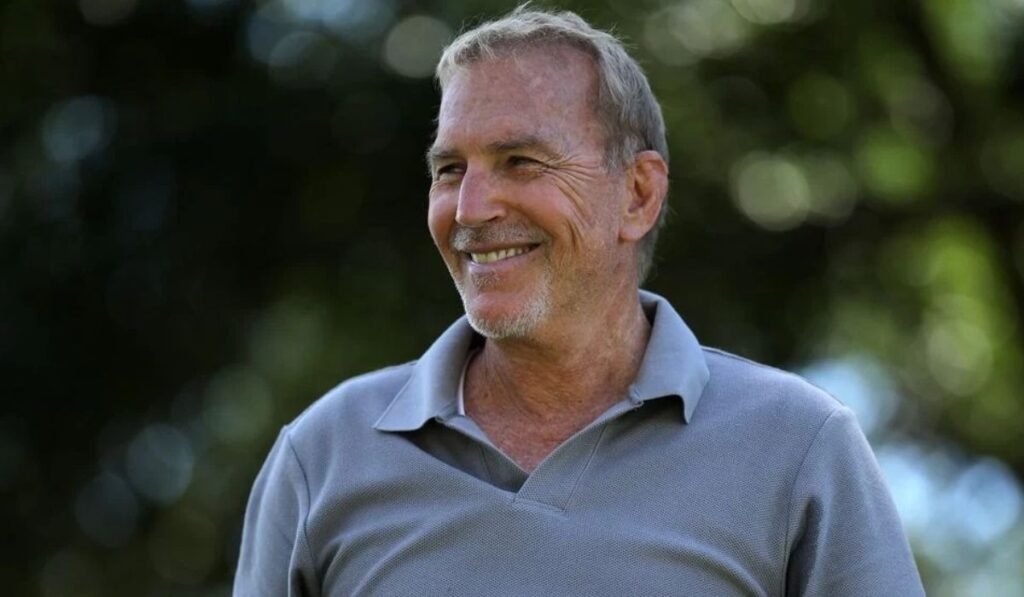
Before becoming a Kevin Costner global superstar, the path to fame was anything but easy for Kevin Costner. After graduating in 1978, he spent several years Kevin Costner working odd jobs to support himself while auditioning for roles. He worked as a truck driver and even provided tours of celebrities’ homes in Hollywood to make ends meet. These early years were characterized by persistence and rejection, but he never lost sight of his Kevin Costner ultimate goal. He Kevin Costner diligently attended auditions, honing his craft and slowly building the resilience required to navigate the competitive and often unforgiving landscape of the American entertainment industry during that era.
Early Film Breakthroughs
The early 1980s marked the start of his transition from a struggling actor to a professional performer. He made his cinematic debut in the 1981 film Sizzle Beach, U.S.A., though Kevin Costner its release was delayed. He continued to accept minor roles in smaller productions to gain experience and exposure. Despite being cast in films like The Big Chill, he famously had his Kevin Costner scenes cut from the final version. However, these early hurdles did not stop him. He remained focused on landing meaningful roles, Kevin Costner eventually securing parts in films like Testament, which helped him gradually capture the attention of casting directors and industry insiders.
The Rise to Prominence in the Mid-Eighties
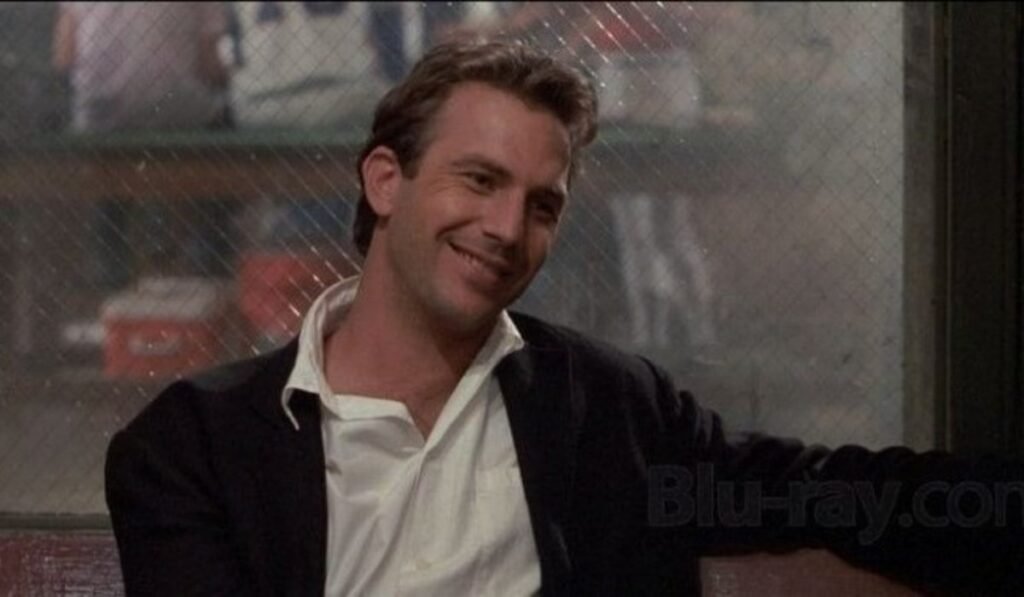
By the mid-1980s, his career trajectory began to shift positively. His breakout performance came with the 1985 ensemble western film Silverado, directed by his friend Lawrence Kevin Costner Kasdan. This role showcased his ability to portray characters with both charisma and quiet intensity, marking him as a rising star to watch. He followed this success with Kevin Costner performances in films like American Flyers and Fandango, further establishing his presence. These roles were instrumental in building his reputation as a reliable and versatile actor capable of delivering compelling performances, setting the stage for the massive success he would experience in the coming years.
The Untouchables and Sudden Stardom
The year 1987 served as a massive catapult for the career of Kevin Costner. He was cast as the lead, lawman Eliot Ness, in the crime drama The Untouchables, working alongside acting icons Sean Connery and Robert De Niro. The film was a critical and commercial triumph, cementing his status as a bonafide leading man in Hollywood. His portrayal of the principled officer in the heart of Prohibition-era Chicago resonated deeply with audiences and critics alike. This success proved that he could anchor major studio projects, and suddenly, he found himself at the forefront of the industry’s most sought-after talent.
Establishing the Quintessential American Hero
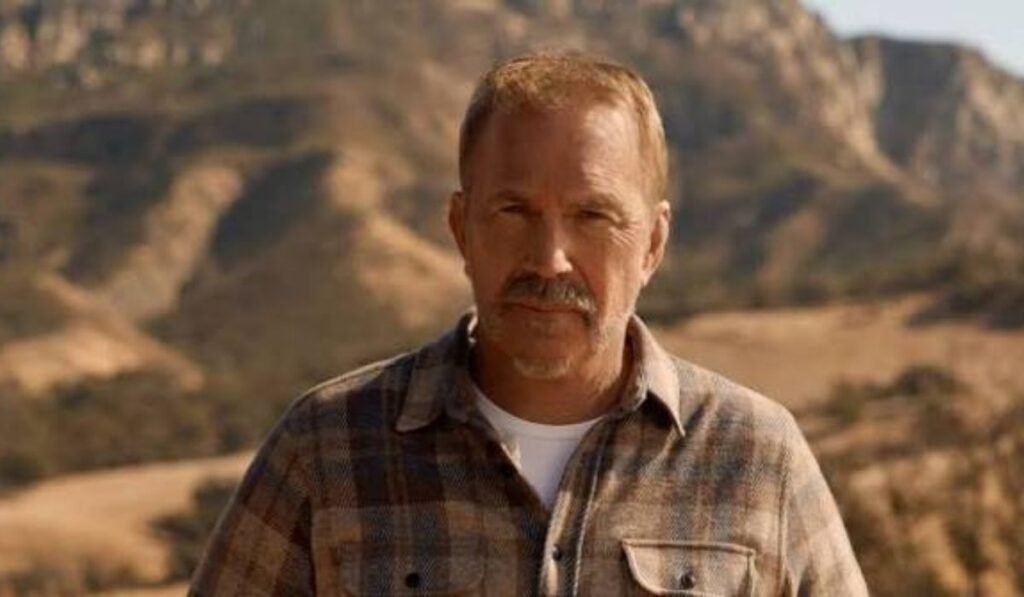
Following his breakthrough, he became associated with a specific type of character—the relatable, everyday American hero. His roles in baseball-themed hits like Bull Durham and Field of Dreams solidified this image. In these films, he brought a sense of authenticity and warmth that audiences found incredibly endearing. Bull Durham allowed him to showcase his comedic timing, while Field of Dreams tapped into themes of nostalgia and family legacy. These movies became classics of the genre, and his association with them helped define a wholesome, quintessential persona that would serve him well throughout his lengthy career in film.
The Landmark Achievement of Dances with Wolves
In 1990, he reached the pinnacle of filmmaking success by directing, producing, and starring in the epic Western, Dances with Wolves. The film was an ambitious project that many in the industry doubted would succeed, yet it went on to become a global phenomenon. It was recognized with twelve Academy Award nominations and ultimately won seven, including Best Picture and Best Director. This accomplishment proved he was not just a talented actor but also a visionary director. It remains one of the most significant and celebrated milestones in his artistic journey, forever linking him to the genre of the Western.
The Commercial Power of the Early Nineties
Following the success of his directorial debut, he experienced a period of immense commercial dominance. He took on diverse and challenging roles, such as the lead in the political thriller JFK and the titular hero in Robin Hood: Prince of Thieves. These films performed exceptionally well at the box office, proving his incredible range and sustained popularity. By 1992, he starred opposite Whitney Houston in The Bodyguard, which became one of the most successful films of the decade. His ability to balance gritty historical dramas with high-stakes commercial blockbusters made him one of the most bankable stars in the industry.
Navigating Career Challenges and Transitions
The mid-1990s brought both challenges and shifts for his public and professional life. Ambitious, big-budget projects like Waterworld and The Postman faced intense scrutiny and mixed critical reception, signaling a departure from his previously flawless streak of hits. While these films were technically impressive, they struggled to meet the massive financial and critical expectations of the time. However, he continued to work consistently, adapting to changing industry trends and shifting his focus toward more character-driven narratives as he transitioned out of his peak era as a blockbuster leading man, showing immense professional maturity and adaptability throughout the period.
A Return to Character-Driven Performances
As he moved into the 2000s, he focused on roles that emphasized storytelling and human emotion rather than massive spectacle. Films like The Upside of Anger and The Company Men allowed him to demonstrate his depth as a dramatic actor. These performances were widely praised, showcasing his willingness to play flawed, complex, and emotionally layered characters. He proved that he could thrive in mature roles that required nuanced acting, further cementing his legacy as a veteran performer. This era in his life demonstrated a refined sense of artistry, proving he was still capable of delivering powerful and memorable performances for audiences everywhere.
The Western Revival and Television Success
His career saw a massive resurgence with his return to the Western genre, a space where he had always felt most comfortable. He won a Primetime Emmy and a Golden Globe for his role in the miniseries Hatfields & McCoys, which was a massive hit for the History Channel. This success paved the way for his later transition into long-form television. His ability to lead such a gritty and demanding story reminded the world why he was considered a master of his craft, setting the stage for what would become his most iconic role in the modern era of television.
Commanding the Screen in Yellowstone
In 2018, he began his role as John Dutton in the hit series Yellowstone, which became a cultural phenomenon. As the patriarch of a sprawling Montana ranching family, he embodied the rugged, uncompromising nature of the character, a role that appeared tailor-made for him. The series was highly successful, drawing massive viewership and critical acclaim across several seasons. His performance anchored the show, earning him a Golden Globe in 2023. Though he eventually departed from the series in 2024, his time on the show redefined his career and introduced him to an entirely new generation of viewers worldwide.
Contributions as a Producer and Director
Beyond his work in front of the camera, his influence as a producer and director has been profound. His production company has been responsible for bringing several distinct stories to the screen, demonstrating his eye for compelling narratives. He has often taken financial risks, such as investing his own money into projects he believed in, which highlights his genuine passion for the art of cinema. His work behind the scenes has ensured that his creative vision remains central to his projects, allowing him to maintain control over the quality and themes of the stories he chooses to share with the public.
Musical Aspirations and Touring
An often-overlooked aspect of his life is his deep passion for music. He leads a country rock band called Kevin Costner & Modern West, with which he has released several albums and toured globally. This musical endeavor allows him to connect with fans on a more personal level, showcasing a different facet of his artistic personality. His music often draws inspiration from the stories and settings he has portrayed on screen, blending elements of his life and career into his songs. It is a testament to his creative spirit, showing that he is an artist who refuses to be limited.
Recognition and Awards
Throughout his five-decade career, he has received numerous accolades and honors. With two Academy Awards, three Golden Globe Awards, and a Primetime Emmy, he is undeniably one of the most decorated figures in the entertainment industry. His contributions have been recognized by peers and critics alike, earning him a place among the legends of Hollywood. From his early rise to his current status as a screen icon, he has consistently delivered work that resonates with people across the globe. These awards serve as a formal acknowledgement of his immense talent and his significant, enduring impact on American cinema.
The Horizon Project and Future Ambitions
Even after achieving so much, he continues to push boundaries with his ambitious four-part film series, Horizon: An American Saga. This project represents a return to his roots as a filmmaker, as he writes, directs, produces, and stars in the sweeping Western epic. It is a massive undertaking that underscores his commitment to large-scale storytelling and his enduring love for the genre that brought him fame. As he continues to develop this project, it is clear that he has no intention of slowing down, remaining driven by a desire to tell stories that matter to him.
Personal Life and Legacy
His life outside of the public eye has been just as eventful as his on-screen career. He has been married twice and is a father to seven children, often balancing his busy career with the demands of family life. Throughout the highs and lows, he has maintained a reputation for professionalism and integrity within the industry. His legacy as an actor who made it acceptable for leading men to be wholesome and grounded in a cynical era of filmmaking remains one of his most important contributions. He has built an enduring life and career that will be remembered for generations to come.
The Lasting Influence of a Hollywood Icon
Looking back at the trajectory of his career, it is evident that his influence on film and television is immeasurable. From his early days as a student in California to his status as a legendary figure, he has carved out a unique space in history. His work has influenced countless performers and filmmakers who strive to capture the same sense of earnestness and gravity he brings to his roles. As a true icon of his time, his movies and television series will continue to entertain and inspire audiences, ensuring that his name remains synonymous with greatness. For more, see the Kevin Costner page.
FAQS
Frequently Asked Questions
- How many children does the actor have?
- The actor has seven children from his various relationships.
- What are his most famous directing credits?
- His most famous directing credits include Dances with Wolves, The Postman, and the Horizon series.
- Did he win an Academy Award for acting?
- He has been nominated for several awards but won his two Oscars for Best Picture and Best Director.
- What role did he play in the series Yellowstone?
- He played the role of the ranch patriarch John Dutton for five seasons.
- Is he still involved in his music career?
- Yes, he continues to lead his country rock band, Kevin Costner & Modern West.
