

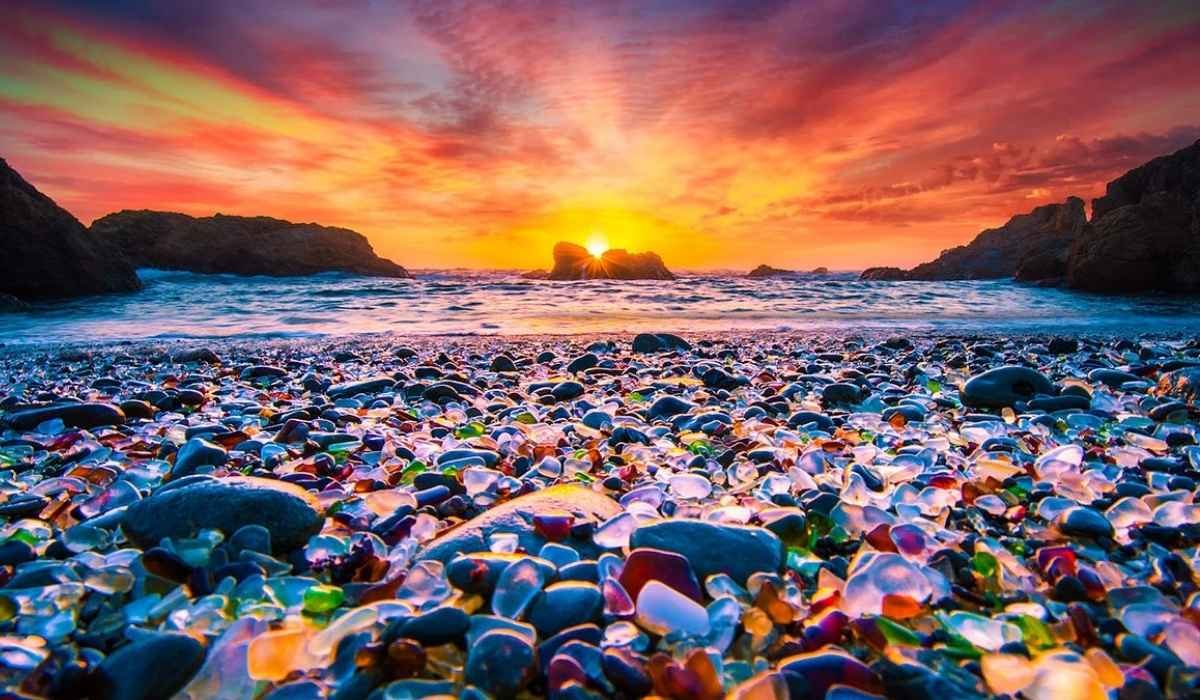
The coastal formation known as glass pebble beach is one of the rarest shoreline phenomena in the world, where naturally tumbled sea glass replaces ordinary sand and stones. Visitors are often surprised by the way light reflects off the surface, creating a shimmering mosaic effect that makes glass pebble beach feel almost otherworldly. This unique environment has become a symbol of transformation, where human-made materials are reshaped by nature into something unexpectedly beautiful.
| Quick Bio |
|---|
| Feature Type: Coastal shoreline phenomenon |
| Formation Process: Ocean-tumbled sea glass over long periods |
| Surface Material: Smooth glass pebbles of varied colors |
| Primary Appeal: Visual brilliance and rarity |
| Geological Category: Human-influenced natural coastal site |
Historical Origins and Early Transformation
The story of glass pebble beach begins with human activity near coastal settlements where discarded glass items were once dumped or lost along shorelines. Over decades, waves and tides broke down the sharp fragments into smooth, polished pieces. This long process gradually shaped what is now recognized as glass pebble beach, turning what was once waste into a natural spectacle. The evolution of glass pebble beach demonstrates how environmental forces can repurpose human materials into artistic coastal landscapes. Early observers were often unaware that glass pebble beach originated from discarded materials, assuming instead that it was a naturally occurring mineral formation. Today, glass pebble beach is studied as an example of anthropogenic geomorphology, where human impact and natural erosion intersect.
Geological Composition and Physical Structure
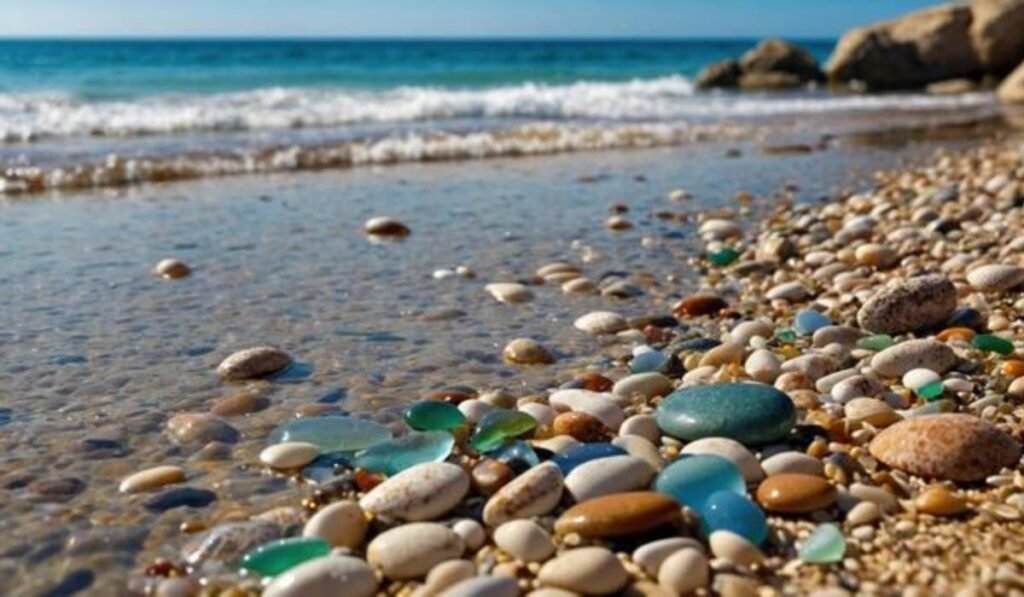
The geological structure of glass pebble beach is defined by its unique combination of silica-based materials and oceanic erosion patterns. Unlike traditional beaches made of quartz sand or rock fragments, glass pebble beach consists of softened glass pieces that have undergone chemical and physical weathering. These fragments are smoothed by constant wave motion, which removes sharp edges and creates a frosted appearance. The composition of glass pebble beach varies depending on the original source of the glass, resulting in a wide spectrum of colors including green, blue, amber, and clear tones. Over time, glass pebble beach becomes a layered accumulation of these polished fragments, forming a dense and visually striking surface.
Formation Process Through Natural Forces
The formation of glass pebble beach is a slow and continuous process driven by wave energy, tidal movement, and sediment interaction. When glass enters the marine environment, it is subjected to abrasion against sand, rocks, and other debris. This repeated friction gradually transforms sharp shards into smooth pebbles. The ongoing cycle of erosion and deposition ensures that the glass pebble continues to evolve. Seasonal storms can redistribute materials, reshaping the layout of glass pebble and adding new layers of polished fragments. This dynamic process highlights the power of natural systems to transform even non-natural materials into aesthetically coherent landscapes.
Tourism and Visitor Experience
Visitors drawn to glass pebble beach are often captivated by its shimmering surface, which changes appearance depending on sunlight and tide conditions. Walking across glass pebble creates a unique sensory experience due to the smooth yet uneven texture of the glass pebbles. Many travelers describe Pebble Beach as both calming and visually stimulating, offering a contrast between natural serenity and human-made beauty. Photography is especially popular at Glass Pebble because the reflective qualities of the glass create vibrant color patterns. In recent years, glass pebble has become a niche tourism destination for those seeking unusual coastal environments. The increasing attention has also influenced how local authorities manage the glass pebble beach to balance preservation with visitor access.
Ecological Impact and Marine Interaction
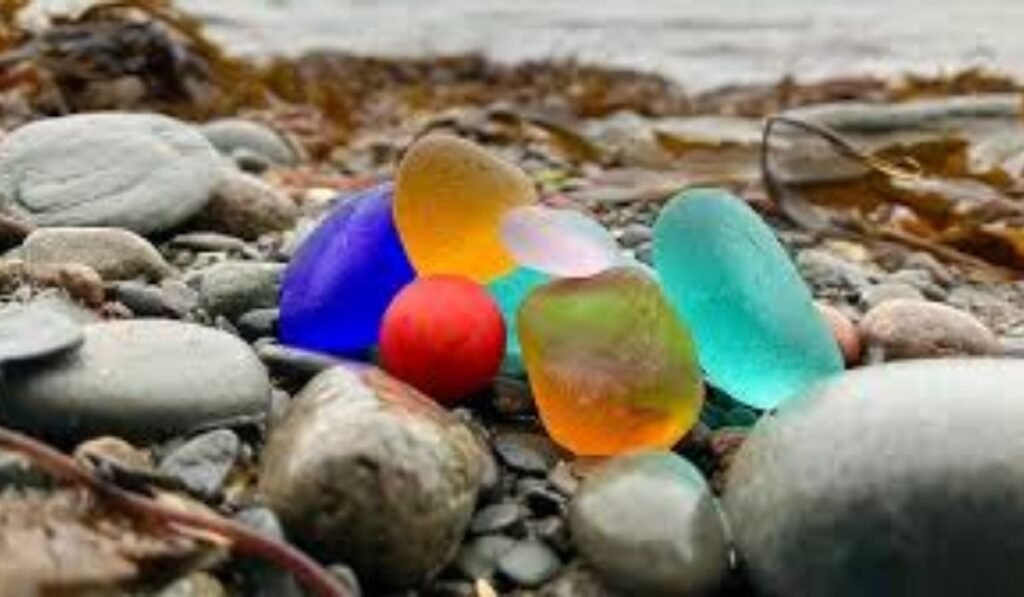
The ecosystem surrounding Pebble Beach is influenced by both natural marine life and the presence of glass fragments. While some organisms adapt to the altered substrate, others are affected by the change in habitat composition. Over time, pebble beach develops its own micro-ecosystem where algae, small crustaceans, and marine plants interact with the glass surfaces. The reflective nature of pebble beach can also influence light penetration in shallow waters, subtly affecting biological activity. Environmental scientists study glass pebble beach to understand how artificial materials integrate into natural ecosystems. Despite its unusual origin, the glass pebble demonstrates the adaptability of coastal environments.
Activities and Recreational Use
Recreational activities at Glass Pebble range from casual walking and sightseeing to more focused activities like beachcombing and photography. Collectors are often fascinated by the variety of colors found across glass pebble beach, as each piece carries a unique history shaped by its transformation. Some visitors engage in guided educational tours that explain the geological and historical background of glass pebble beach. The smooth surface of glass pebble beach also makes it an interesting location for mindfulness activities and relaxation practices. However, responsible interaction with glass pebble beach is encouraged to prevent removal of materials that contribute to its structure.
Conservation and Environmental Protection
Efforts to preserve Pebble Beach focus on maintaining its fragile balance between natural processes and human interaction. Because Pebble Beach is not a naturally occurring geological formation, it requires careful monitoring to prevent degradation. Conservation strategies often include limiting the physical removal of glass materials and controlling visitor traffic in sensitive areas. Environmental organizations emphasize the importance of protecting Pebble Beach as a cultural and ecological landmark. Over time, unmanaged tourism could alter the composition of pebble beach, reducing its visual and environmental value. Sustainable practices ensure that Pebble Beach remains intact for future generations.
Cultural Significance and Global Interest
Glass pebble beach has gained cultural significance as a symbol of transformation and environmental storytelling. Artists and writers often reference glass pebbles to illustrate themes of renewal, resilience, and the beauty of imperfection. In some regions, pebble beach is viewed as a metaphor for human impact on nature and the possibility of positive ecological outcomes. The global fascination with glass pebble beach has also led to increased media coverage and artistic representation. As awareness grows, Pebble Beach continues to inspire discussions about sustainability and environmental responsibility.
Travel Guidance and Practical Advice
Traveling to glass pebble requires preparation, especially since such locations are often remote or environmentally sensitive. Visitors are encouraged to wear appropriate footwear due to the uneven surface of the glass pebble beach, even though the glass is naturally smoothed. Weather conditions can significantly affect the appearance and accessibility of the glass pebble beach, making timing an important factor for visits. Respect for local guidelines is essential to preserve the integrity of the glass pebble beach. Travelers often find that early morning or late afternoon visits offer the most visually striking views of the glass pebble due to lighting conditions.
Conclusion and Long-Term Importance
The enduring appeal of glass pebble beach lies in its rare combination of human history and natural transformation. It stands as a reminder that environmental processes can reshape discarded materials into something unexpectedly valuable. Over time, the glass pebble beach has evolved into a symbol of ecological adaptation and artistic natural design. Its continued existence depends on responsible interaction and environmental awareness. As interest in glass pebble beach grows, it remains a powerful example of how nature and human activity can intersect in visually stunning and scientifically significant ways. The story of Glass Pebble Beach continues to evolve with every tide, making it a living landscape shaped by time, water, and history.
Frequently Asked Questions
1. What is glass pebble beach?
- A coastal area covered with smooth, sea-tumbled glass pieces formed through long-term natural erosion
2. How is Pebble Beach formed?
- Created when discarded glass is broken down and polished by waves and tides over many years
3. Is the glass pebble beach natural or man-made?
- It is a hybrid formation influenced by human waste and natural ocean processes
4. Can visitors collect glass from the glass pebble beach?
- Collection is usually discouraged to preserve the structure and ecological balance
5. Why is the glass pebble beach important?
- It demonstrates environmental transformation and highlights how nature reshapes human materials
