

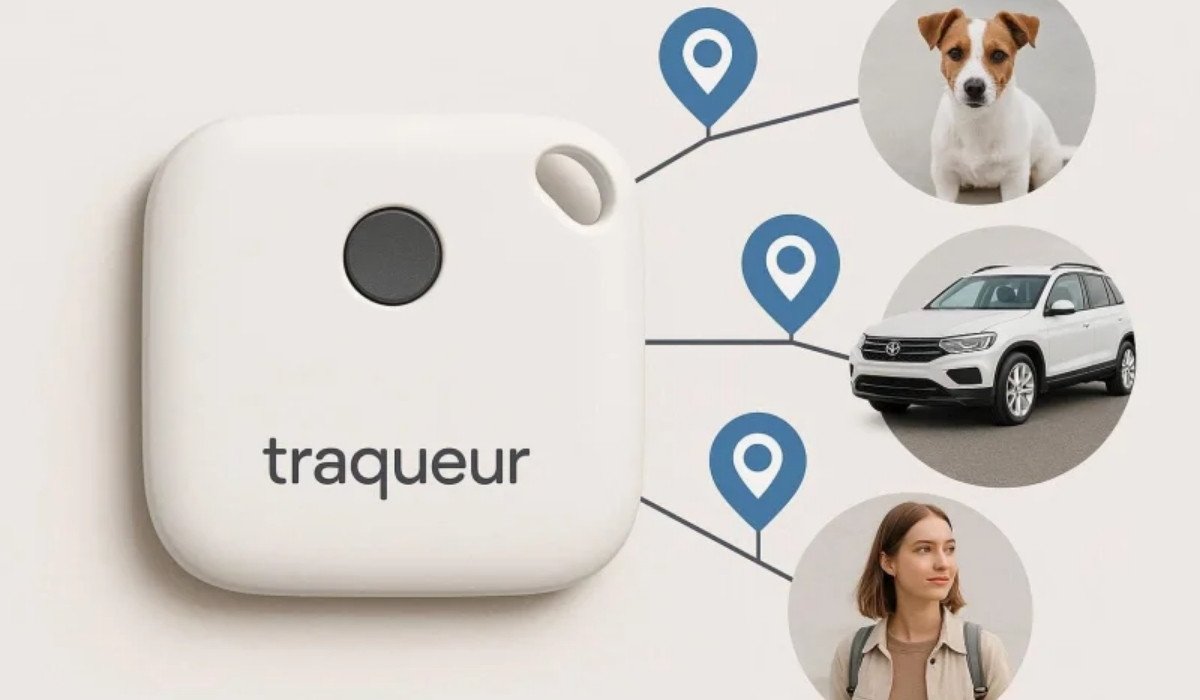
Tracqueur is a modern concept often associated with tracking systems, digital monitoring tools, and data-driven analysis platforms used to observe movements, activities, or performance metrics in real time. In simple terms, tracqueur refers to any structured mechanism or software designed to track, log, and analyze behavior patterns across different environments such as logistics, fitness, cybersecurity, and digital marketing. Its growing importance lies in the increasing need for precision, transparency, and optimization in both personal and business contexts. As industries evolve, tracqueur technologies are becoming essential for improving efficiency, making informed decisions, and enhancing operational visibility across complex systems and workflows.
Quick Bio Table for Tracqueur
| Attribute | Details |
|---|---|
| Keyword | Tracqueur |
| Category | Tracking / Monitoring Systems |
| Usage | Data tracking, analytics, monitoring |
| Industry Relevance | Tech, logistics, marketing, fitness |
| Core Function | Real-time tracking and analysis |
| Benefits | Efficiency, accuracy, optimization |
Evolution of Tracqueur Systems
The evolution of tracqueur systems has been shaped by rapid advancements in digital technology, artificial intelligence, and data analytics. Early tracking systems were simple and relied heavily on manual input, but modern solutions now use automated sensors, GPS technology, and cloud-based platforms. This transformation has enabled real-time data processing and highly accurate monitoring capabilities. Businesses today rely on systems to optimize supply chains, track customer behavior, and enhance productivity. The evolution also reflects a broader shift toward data-driven decision-making, where every movement or action can be analyzed to improve efficiency and predict future outcomes more effectively.
Importance of Tracqueur in Modern Industries

Tracqueur plays a crucial role in modern industries by enabling accurate monitoring and real-time insights into operations. Companies use systems to improve logistics, manage assets, and ensure transparency across workflows. In sectors such as healthcare, transportation, and e-commerce, technology helps reduce errors and increase operational efficiency. It also supports predictive analytics, allowing businesses to anticipate issues before they occur. By integrating solutions, organizations gain better control over resources, reduce costs, and improve customer satisfaction. Its importance continues to grow as industries become more dependent on digital transformation and intelligent automation systems.
Core Features of Tracqueur Technology
Tracqueur technology is built around several core features that make it highly effective for monitoring and analysis. These include real-time tracking, data visualization, automated reporting, and cloud integration. Real-time tracking allows users to monitor activities instantly, while data visualization helps interpret complex information through charts and dashboards. Automated reporting reduces manual workload and ensures accuracy in data handling. Cloud integration ensures accessibility from anywhere, making systems highly flexible. Together, these features create a powerful ecosystem that supports decision-making, enhances productivity, and provides actionable insights for both individuals and organizations across different industries.
How Tracqueur Works in Real-Time Environments
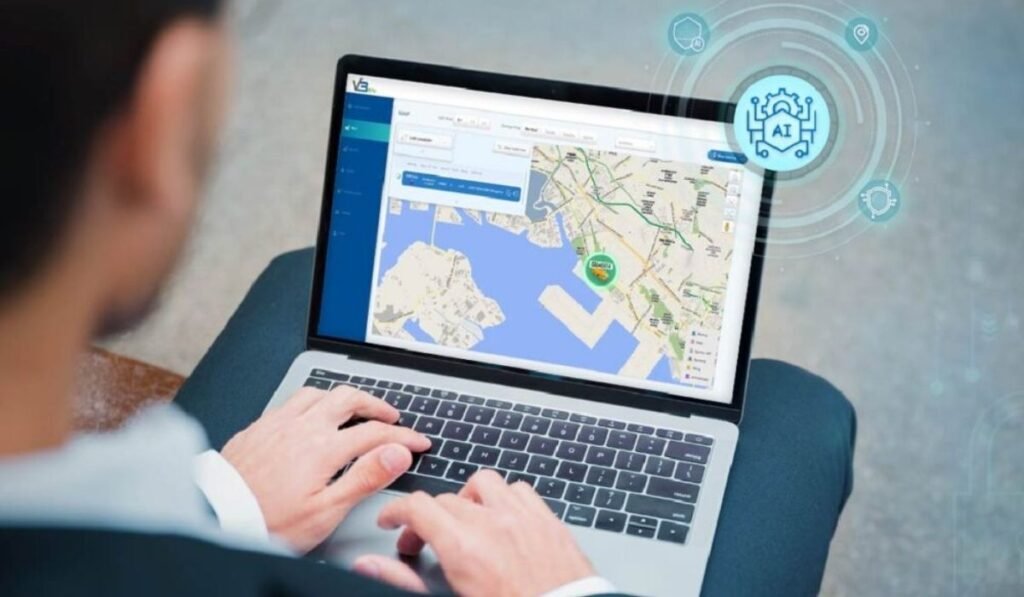
In real-time environments, tracqueur systems operate by collecting data from multiple sources such as sensors, GPS devices, or digital inputs. This data is then transmitted to centralized platforms where it is processed and analyzed instantly. The system continuously updates information, allowing users to monitor changes as they happen. This real-time capability is especially useful in logistics, fleet management, and security monitoring. By providing immediate feedback, systems help organizations respond quickly to issues, optimize performance, and maintain operational control. The seamless flow of data ensures accuracy and reliability in fast-paced environments where timing is critical.
Applications of Tracqueur in Logistics and Supply Chain
Tracqueur systems are widely used in logistics and supply chain management to ensure efficient movement of goods and resources. They help companies track shipments, monitor delivery routes, and optimize transportation schedules. With real-time updates, businesses can reduce delays, prevent losses, and improve customer satisfaction. technology also enhances inventory management by providing accurate stock levels and location data. This level of visibility allows organizations to streamline operations and reduce operational costs. In a competitive global market, systems play a vital role in maintaining efficiency and ensuring that supply chains operate smoothly and transparently.
Role of Tracqueur in Digital Marketing Analytics

In digital marketing, tracqueur tools are essential for understanding user behavior, engagement patterns, and campaign performance. They track website visits, click-through rates, conversion metrics, and customer journeys. This data allows marketers to refine strategies, target the right audience, and improve return on investment. systems also help identify which marketing channels are most effective, enabling better allocation of resources. By analyzing real-time data, businesses can adapt quickly to changing trends and consumer preferences. As digital competition grows-based analytics provide a significant advantage in creating personalized and highly effective marketing campaigns.
Tracqueur in Personal Fitness and Health Monitoring
Tracqueur technology has become increasingly popular in personal fitness and health monitoring through wearable devices and mobile applications. These systems track physical activity, heart rate, sleep patterns, and calorie consumption. Users can set fitness goals and monitor their progress in real time. This encourages healthier lifestyles and better self-awareness. In healthcare, systems assist doctors in remote patient monitoring, ensuring timely medical intervention when needed. The integration of technology in health and fitness empowers individuals to take control of their well-being while providing professionals with accurate data for better diagnosis and treatment planning.
Data Security and Privacy in Tracqueur Systems
As tracqueur systems handle large volumes of sensitive data, security and privacy are critical concerns. Modern platforms implement encryption, authentication protocols, and secure cloud storage to protect user information. Data privacy regulations also ensure that collected information is used responsibly and ethically. Organizations must balance the benefits of tracking with the need to safeguard personal and business data. Failure to do so can result in breaches and loss of trust. Therefore, secure design and compliance with international standards are essential components of any reliable system in today’s digital ecosystem.
Integration of AI with Tracqueur Technology
Artificial intelligence has significantly enhanced tracqueur systems by enabling predictive analytics, automation, and intelligent decision-making. AI-powered platforms can identify patterns, detect anomalies, and forecast future trends based on historical data. This integration improves accuracy and reduces human intervention in data analysis processes. Machine learning algorithms continuously refine tracking capabilities, making systems smarter over time. Businesses benefit from AI-driven solutions by gaining deeper insights into operations and customer behavior. This combination of AI and technology represents the future of intelligent monitoring systems across various industries.
Advantages of Using Tracqueur Systems
Tracqueur systems offer numerous advantages, including improved efficiency, better decision-making, and enhanced transparency. They allow users to monitor operations in real time, reducing delays and minimizing errors. Businesses can optimize resource allocation and improve productivity through accurate data insights. systems also support scalability, making them suitable for small businesses and large enterprises alike. Additionally, they enhance customer satisfaction by ensuring timely delivery and service quality. Overall, the use of technology leads to smarter operations, reduced costs, and more effective management of complex processes across different sectors.
Challenges in Implementing Tracqueur Solutions
Despite their benefits, tracqueur systems also present certain challenges during implementation. These include high initial costs, technical complexity, and integration issues with existing infrastructure. Organizations may also face resistance from employees who are unfamiliar with tracking technologies. Data overload is another challenge, as excessive information can be difficult to manage and analyze effectively. Additionally, ensuring data security and compliance with regulations requires continuous effort. Overcoming these challenges requires proper planning, training, and investment in scalable solutions. When implemented correctly, systems deliver long-term value despite initial obstacles.
Future Trends in Tracqueur Development
The future of tracqueur technology is expected to be shaped by advancements in artificial intelligence, IoT (Internet of Things), and big data analytics. These technologies will make tracking systems more intelligent, autonomous, and efficient. Future platforms will likely offer deeper predictive capabilities and enhanced real-time responsiveness. Integration with smart devices and wearable technology will further expand their applications. As digital ecosystems evolve, systems will become more personalized and adaptive, offering tailored insights for users. This evolution will redefine how data is collected, analyzed, and utilized across industries worldwide.
Tracqueur in Smart Cities and Urban Planning
Tracqueur systems play a vital role in the development of smart cities by enabling efficient urban planning and resource management. They help monitor traffic flow, energy consumption, waste management, and public safety. By analyzing real-time data, city planners can make informed decisions to improve infrastructure and reduce congestion. technology also enhances emergency response systems by providing accurate location tracking. This contributes to safer and more sustainable urban environments. As cities continue to grow, solutions will be essential in managing complexity and ensuring efficient use of resources.
Business Optimization Through Tracqueur
Businesses use tracqueur systems to optimize operations, improve efficiency, and enhance performance. By tracking key metrics, companies can identify inefficiencies and implement corrective actions. tools also support strategic planning by providing insights into market trends and customer behavior. This allows businesses to make data-driven decisions that improve profitability. Additionally, automation features reduce manual workload and operational costs. Whether in retail, manufacturing, or services, systems provide a competitive advantage by enabling smarter management and continuous improvement across all business functions.
Ethical Considerations in Tracqueur Usage
The use of tracqueur systems raises important ethical considerations, particularly regarding privacy and consent. Organizations must ensure that tracking activities are transparent and compliant with legal standards. Users should be informed about what data is being collected and how it will be used. Ethical implementation of technology involves balancing innovation with responsibility. Misuse of tracking data can lead to privacy violations and loss of trust. Therefore, establishing clear policies and ethical guidelines is essential for maintaining integrity while leveraging the benefits of systems.
Conclusion on the Role of Tracqueur
Tracqueur technology has become an essential part of modern digital ecosystems, offering powerful tools for tracking, analysis, and optimization. Its applications span across industries such as logistics, healthcare, marketing, and urban planning. By providing real-time insights and predictive capabilities, systems enable smarter decision-making and improved efficiency. Despite challenges related to implementation and privacy, the benefits far outweigh the limitations. As technology continues to evolve, systems will play an even greater role in shaping the future of data-driven operations and intelligent systems worldwide.
Frequently Asked Questions about Tracqueur
What is tracqueur used for?
Tracqueur is used for tracking, monitoring, and analyzing data in real time across various industries such as logistics, marketing, and healthcare.
Is tracqueur technology expensive to implement?
Implementation costs vary depending on system complexity, but modern scalable solutions make it accessible for both small and large businesses.
How does tracqueur improve business efficiency?
It improves efficiency by providing real-time insights, reducing errors, and optimizing resource allocation through accurate data tracking.
Is tracqueur safe for personal data?
Yes, most systems use encryption and security protocols, but proper compliance and ethical usage are essential for protecting privacy.
What is the future of tracqueur systems?
The future includes AI integration, IoT expansion, and more predictive analytics, making systems smarter and more adaptive over time.
