

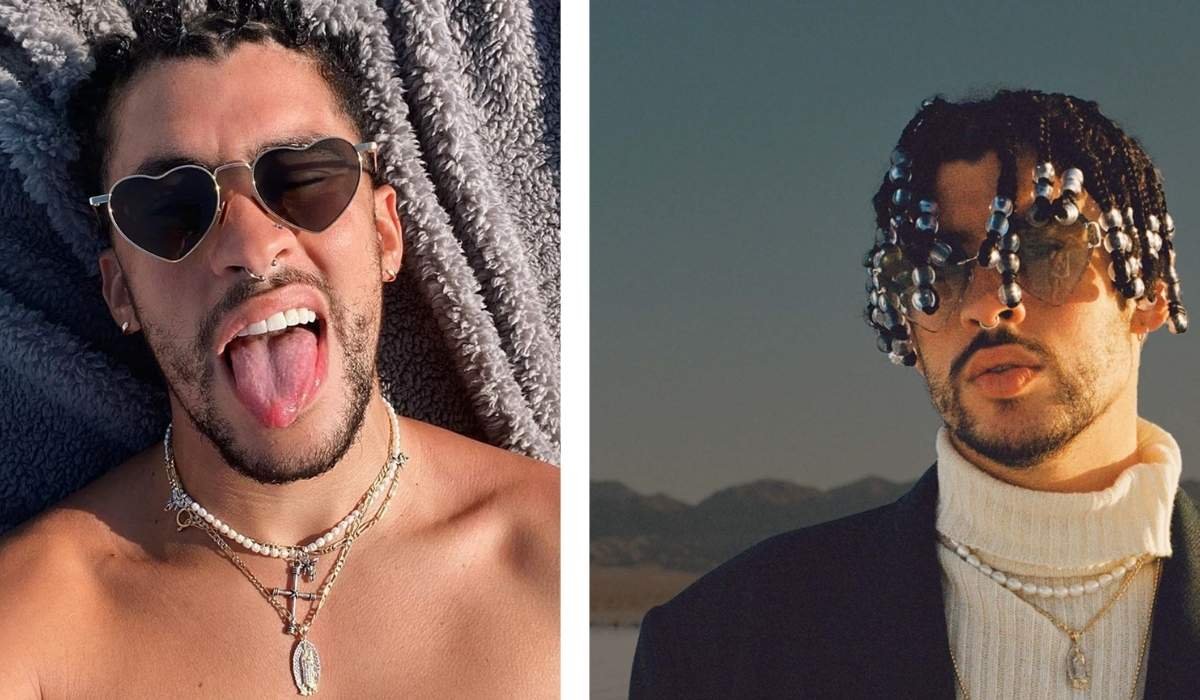
Benito Antonio Martínez Ocasio, known globally as Bad Bunny, has fundamentally reshaped the landscape of modern popular music. Rising from a humble background in Puerto Rico, he moved beyond traditional industry expectations by choosing to perform exclusively in Spanish. This decision not only solidified his authenticity but also propelled him to unprecedented heights, making him one of the most streamed artists in history. His work transcends genre, blending Latin trap, reggaeton, and traditional Puerto Rican sounds like bomba and plena. Through his artistry, Bad Bunny has become a symbol of cultural pride and a voice for the Latin diaspora worldwide.
| Attribute | Details |
| Birth Name | Benito Antonio Martínez Ocasio |
| Date of Birth | March 10, 1994 |
| Origin | San Juan, Puerto Rico |
| Genre | Reggaeton, Latin Trap, Hip Hop |
| Key Achievements | Multiple Grammy and Latin Grammy Wins |
Early Life and Roots in Puerto Rico
The journey of Bad Bunny began in San Juan, where he grew up surrounded by the sounds of salsa, merengue, and romantic ballads. His mother, who was deeply involved in the church choir, played a significant role in his early musical exposure. By the age of thirteen, he was already writing his own songs, drawing inspiration from legendary figures like Héctor Lavoe and Vico C. These early years provided the foundation for his creative identity, instilling in him a deep connection to his homeland and its rich, complex history, which remains a central theme in his music today.
From Grocery Store Worker to Digital Sensation
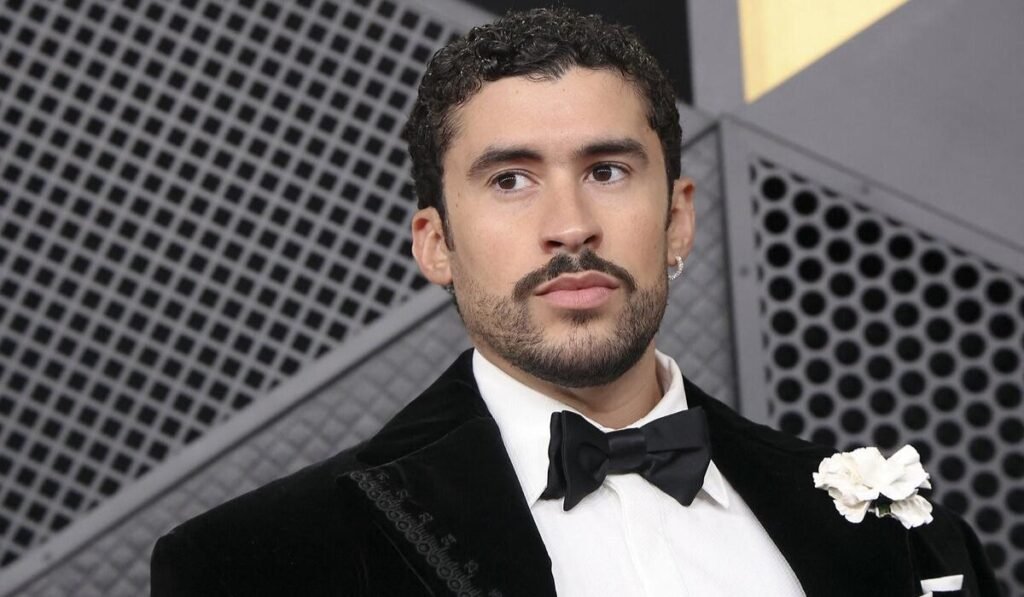
Before achieving global stardom, Bad Bunny balanced his studies in audiovisual communication at the University of Puerto Rico with a job at a local grocery store. During his nights, he would upload his tracks to SoundCloud, hoping to find an audience. His persistence paid off when DJ Luian discovered his song “Diles,” leading to his signing with the Hear This Music label. This transition from a conventional job to the music industry highlights his relentless drive and the power of digital platforms to democratize fame for artists who are willing to forge their own paths.
Redefining the Latin Pop Mainstream
Bad Bunny has achieved a feat many thought impossible: topping the Billboard charts with albums sung entirely in Spanish. He bypassed the traditional “crossover” requirement of singing in English, proving that cultural specificity is a strength rather than a limitation. By maintaining his mother tongue, he forced the mainstream music industry to adapt to his vision. This shift is reflective of larger demographic changes in the United States and signifies a new era where Spanish-language music is not merely an alternative, but a dominant force in global pop culture, celebrated by audiences from every background.
The Artistic Vision of Un Verano Sin Ti
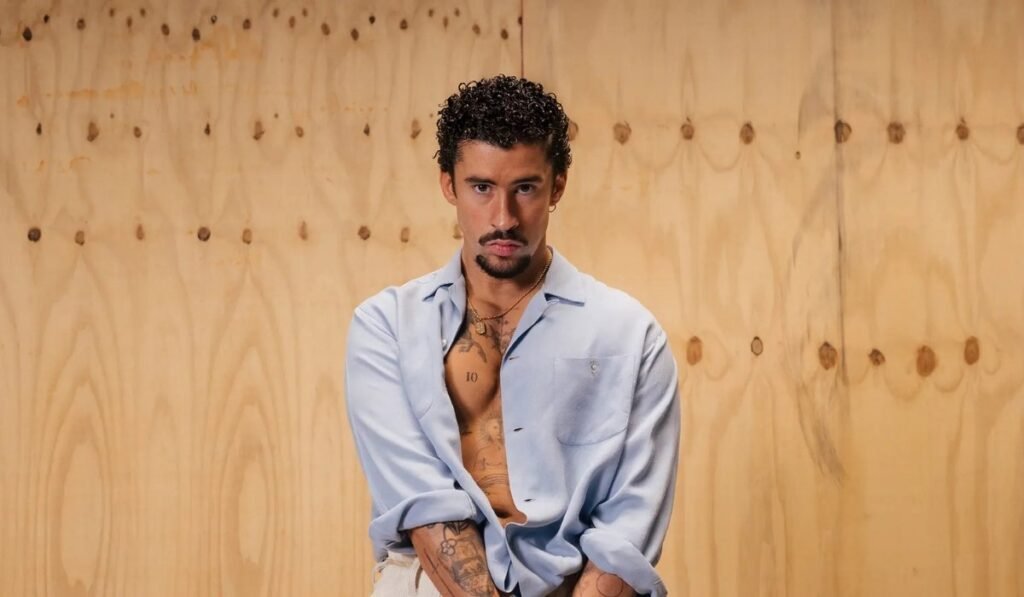
His landmark album, Un Verano Sin Ti, served as a cultural phenomenon that highlighted his ability to blend traditional and contemporary sounds. The project explored themes of Puerto Rican musical heritage while addressing modern issues like displacement and political instability. For many, this album was more than just music; it was a testament to his versatility and his commitment to authentic storytelling. The success of this record demonstrated that Bad Bunny could navigate complex social narratives while still producing infectious, chart-topping hits that resonated with millions of fans across the globe.
Cultural Pride and the Symbol of the Jíbaro
In recent years, Bad Bunny has used his platform to reclaim and modernize symbols of Puerto Rican identity, most notably the jíbaro. By incorporating the pava—a traditional straw hat—into his fashion and tour aesthetics, he has challenged historical caricatures and asserted the dignity of rural Puerto Rican life. This radical act of cultural reclamation has transformed the jíbaro into a symbol of resistance for younger generations. Through his style, Bad Bunny asserts that his Boricua identity belongs on the world stage, ensuring that his heritage remains visible and celebrated in the heart of global pop.
Activism and Political Consciousness
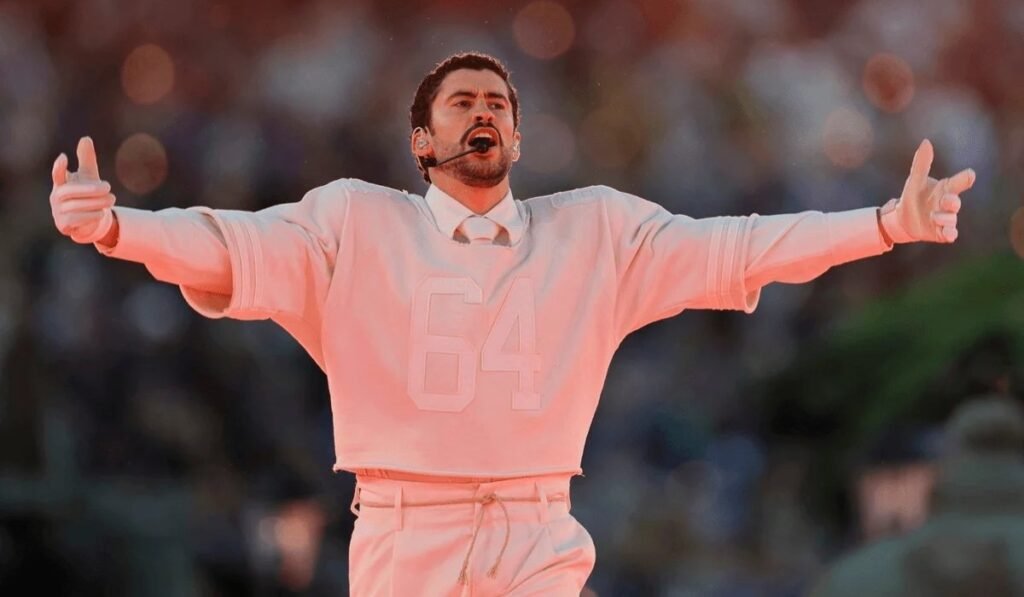
Beyond the studio, Bad Bunny is a vocal advocate for his people and the issues facing Puerto Rico. He has taken part in significant protests, including those demanding the resignation of Governor Ricardo Rosselló in 2019. His music often serves as a form of social commentary, with songs like “Afilando Los Cuchillos” addressing the political and economic crises on the island. By using his influence to bring attention to gentrification and systemic injustice, Bad Bunny proves that his commitment extends far beyond entertainment, effectively leveraging his massive platform to advocate for concrete social and political change.
Challenging Gender Norms in Latin Culture
Bad Bunny has been a trailblazer in dismantling the rigid expectations of Latin masculinity. He frequently plays with gender norms, appearing in high-fashion campaigns and music videos with unconventional aesthetics that challenge traditional macho stereotypes. Whether wearing nail polish, skirts, or bold makeup, he encourages his audience to embrace their individuality without fear. This courageous stance has made him a role model for the LGBTQ+ community and for those who feel marginalized by traditional cultural standards. In doing so, Bad Bunny fosters an environment of acceptance and fluidity that is truly groundbreaking in the reggaeton genre.
Global Influence Through Collaborations
The ability of Bad Bunny to bridge different musical worlds is evident in his long list of high-profile collaborations. From working with Cardi B on the hit “I Like It” to tracks with Drake, Dua Lipa, and J Balvin, he has seamlessly integrated into the international music scene. These collaborations have allowed him to reach audiences who might not have otherwise engaged with Latin trap or reggaeton. By acting as a cultural ambassador, Bad Bunny has successfully expanded the global footprint of Puerto Rican music, proving that collaboration can be a powerful tool for mutual artistic growth.
Fashion as an Extension of Artistic Expression
Fashion for Bad Bunny is an extension of his creative persona. He is known for his daring style, which often blends streetwear with high-fashion elements. By working with top designers like Prada and participating in events like the Met Gala, he has brought Latin urban fashion into the luxury spotlight. His style is not just for aesthetics; it is a calculated performance of his personality and political identity. Through his wardrobe, he communicates his refusal to conform, asserting that creativity should have no boundaries and that identity can be turned into a global power.
The Good Bunny Foundation and Humanitarian Efforts
His commitment to social causes is formalized through the Good Bunny Foundation, which aids children living in poverty in Puerto Rico. He has partnered with brands like Cheetos to distribute significant funds to students and community leaders who are making a positive impact. These efforts underscore his belief that his success should be a vehicle for the betterment of his community. By focusing on education and local empowerment, he ensures that his influence creates tangible benefits for those back home, staying deeply connected to his roots even as his fame reaches incredible heights.
Artistic Evolution and Musical Versatility
The career of Bad Bunny is marked by a constant evolution of sound. He started as a trap artist in Puerto Rico and has since expanded into every corner of the urban music spectrum. His willingness to experiment with genres, including regional Mexican music or traditional Puerto Rican rhythms, keeps his discography fresh and unpredictable. This refusal to stagnate is what allows him to remain at the top of the music industry. Bad Bunny understands that an artist must constantly innovate to remain relevant, and he continues to push his own creative boundaries with every new release.
Impact on the Latin Diaspora
For many in the Latin diaspora, the rise of Bad Bunny is a source of immense pride. He represents the possibility of achieving global dominance while staying unapologetically true to one’s roots and language. His Grammy and Latin Grammy wins are celebrated not just as personal milestones, but as moments of cultural validation for millions of people worldwide. He embodies the resilience of those who have had to leave their homelands, providing a soundtrack for the immigrant experience and ensuring that their voices are heard and celebrated on the biggest stages imaginable.
The Legacy of His Performance Style
Bad Bunny is recognized not only for his records but also for his electrifying live performances. Whether at sold-out stadiums or halftime shows, he commands the stage with an energy that is uniquely his own. His recent residency in San Juan showcased his ability to put on sustained, high-energy shows that boost local economies and bring people together. He treats every performance as a narrative experience, using visual storytelling and soundscapes to create a communal space where his fans can feel understood and celebrated, cementing his reputation as one of the best performers of his generation.
Navigating the Pressures of Fame
Maintaining a private life while being the most streamed artist in the world is a challenge that Bad Bunny manages with cautious balance. He often speaks about the toll of fame and the necessity of stepping back to focus on his well-being. By setting boundaries, he protects his creative spark and his mental health. Despite the constant glare of the spotlight, he has managed to keep his personality accessible yet guarded. This awareness of the dangers of celebrity culture allows him to remain grounded, ensuring that he stays true to the person he was before the fame.
Acting Career and Multimedia Expansion
Bad Bunny has begun to expand his artistic footprint beyond music into the world of acting. With roles in films and television series, he has demonstrated a willingness to step outside his comfort zone. This expansion into multimedia shows that he views himself as a holistic artist rather than just a singer. By diversifying his career, he ensures longevity and explores new ways to communicate his stories. Each new role serves as a canvas for his expressive style, further proving that Bad Bunny is a formidable talent with a wide-ranging artistic vision.
The Role of Social Media in His Brand
Social media has been the primary engine for the career of Bad Bunny since his early SoundCloud days. He uses these platforms to interact directly with his fans, sharing glimpses of his life and his creative process without the filter of traditional media. This transparency has fostered a deeply loyal fanbase. By treating his platforms as a digital community, he maintains a level of engagement that is rare for an artist of his magnitude. He understands that in the digital age, his relationship with his fans is the most critical component of his enduring success.
Analyzing the Critical Reception of His Work
Critics often praise Bad Bunny for his lyrical depth and his ability to capture the zeitgeist of a generation. His songs touch on universal themes of love, loss, and the struggle for identity, which resonate even with listeners who may not speak Spanish. His accolades, including numerous Grammy awards, confirm that his impact is acknowledged by the highest tiers of the music industry. Critics and fans alike recognize that his contribution to music is significant, citing his influence as a turning point that has forced the industry to evolve and become more inclusive.
The Future of Latin Urban Music
As he continues to lead the movement, the future of Latin urban music looks inextricably linked to the legacy of Bad Bunny. He has opened doors for a new generation of artists who now feel empowered to sing in Spanish and challenge conventional industry standards. His influence is felt in the way new artists approach their own branding and musicality. Bad Bunny has set a new benchmark for success, proving that artists can be both globally successful and culturally specific, a model that will undoubtedly shape the industry for decades to come.
Commitment to Authenticity and Artistic Freedom
Ultimately, the defining trait of Bad Bunny is his unwavering commitment to his own artistic truth. He has never allowed the industry to dictate his sound, his fashion, or his politics. This refusal to compromise has allowed him to build a brand that is respected for its integrity. He stands as a reminder that the most powerful form of expression is one that is rooted in personal experience and cultural pride. By remaining authentic, he has achieved a level of connection that transcends fame, creating a lasting impact that will define the modern music era.
Summary of His Enduring Influence
The journey of Bad Bunny from a grocery store in Puerto Rico to the peak of the global music industry is a testament to the power of belief and persistence. He has not only conquered the charts but also transformed the cultural fabric of modern pop. Through his activism, fashion, and music, he has given a voice to a generation and proved that heritage is a global currency. As he continues to evolve, his influence will surely endure, as established in his rich discography and history, which can be explored further at.
- Who is Bad Bunny?
- Bad Bunny is a globally acclaimed Puerto Rican artist who has revolutionized music by blending trap, reggaeton, and traditional Latin sounds while performing exclusively in Spanish.
- How did Bad Bunny start his career?
- He began his journey as a grocery store worker in Puerto Rico, uploading music to SoundCloud before gaining fame through his unique sound and viral hits.
- Why is Bad Bunny considered culturally significant?
- He has become an icon for his pride in his Boricua identity, his vocal activism for Puerto Rican social issues, and his work in challenging traditional gender and masculine norms.
- What is the significance of Bad Bunny not singing in English?
- His success proves that artists do not need to crossover into English to achieve global dominance, effectively centering Spanish-language music in the global pop mainstream.
- What are some of Bad Bunny’s major musical achievements?
- He has achieved multiple #1 albums on the Billboard 200, won numerous Grammy and Latin Grammy awards, and has been recognized as one of the most streamed artists in Spotify’s history.
