


Understanding the Concept of Erothto
The term erothto carries a weight of emotional intensity that often feels difficult to fully grasp without personal experience. When individuals encounter the word erothto, they frequently associate it with a profound sense of longing or the painful reality of a love that simply could not survive the pressures of reality. This specific nuance of erothto defines a unique space in human psychology where passion meets the inevitability of loss. As we navigate the complexities of modern relationships, the lingering presence of erothto reminds us that some connections are destined to remain unfulfilled, creating a lasting emotional imprint on the soul.
Quick Bio
| Attribute | Details |
| Concept | Erothto |
| Primary Theme | Tragic or Lost Love |
| Emotional Tone | Melancholy, Longing |
| Cultural Context | Romantic Literature and Psychology |
| Common Usage | Describing Doomed Passion |
The Etymology and Roots of Erothto
Tracing the linguistic origins of erothto reveals a fascinating blend of historical phonetics and evolving poetic expression. While scholars might debate the precise technical lineage of erothto, the term effectively bridges the gap between ancient concepts of desire and contemporary feelings of heartbreak. The phonetic structure of erothto suggests a soft, breathy delivery that mirrors the sigh of someone reflecting on a past attachment. By analyzing the way we use erothto in modern discourse, we can see how language adapts to encapsulate our most fragile human experiences, providing a vessel for feelings that defy simple definition or explanation.
Erothto in Classical Literature
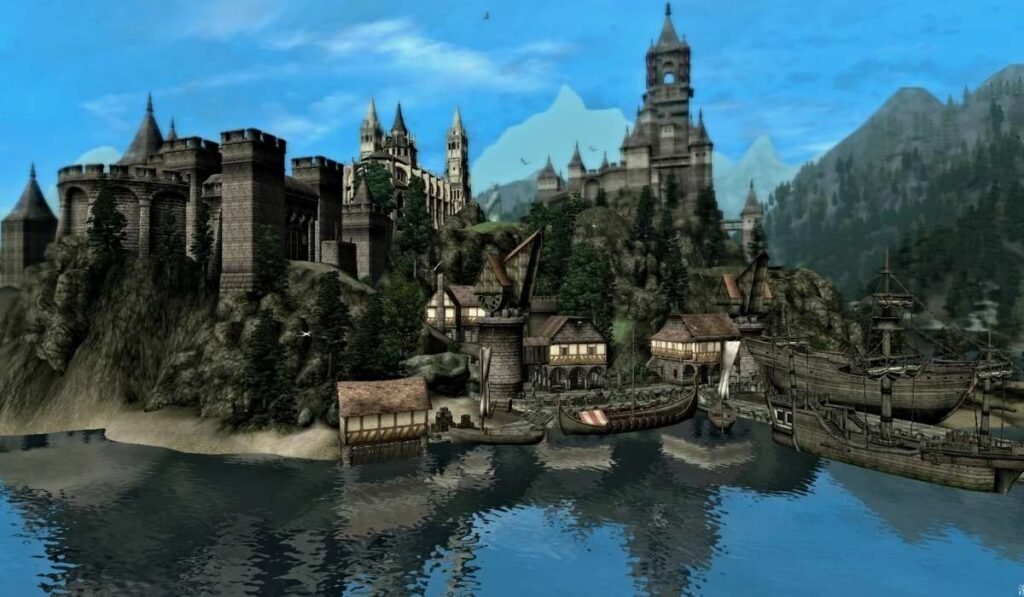
Literature has long been the primary sanctuary for the spirit of erothto, acting as a record of human vulnerabilities throughout history. From the star-crossed narratives of iconic playwrights to the whispered verses of forgotten poets, the essence of erothto serves as a recurring motif for beauty found within sorrow. When characters grapple with the weight of an impossible choice, they are often embodying the very essence of erothto without ever naming it directly. This literary tradition ensures that the shadow of erothto remains visible to those willing to look beneath the surface of stories about unrequited or lost love.
The Psychological Impact of Erothto
Experiencing the phenomenon known as erothto can have a lasting impact on an individual’s emotional architecture and future perspectives on romance. The persistent ache associated with erothto often forces people to confront their deepest insecurities and desires, leading to a period of intense self-discovery and growth. Psychologists note that when someone dwells on the concept of erothto, they are often reconciling with the concept of permanence in a world that is inherently transient. By acknowledging the reality of erothto, individuals can begin to process the grief of lost potential and eventually integrate these difficult memories into their identity.
Analyzing the Intensity of Erothto
What makes erothto stand out from other words describing sadness is the specific focus on wasted passion and the tragedy of timing. When we apply the label of erothto to a relationship, we are acknowledging that the love itself was genuine, even if the circumstances made it impossible to sustain. This layer of validity is what gives erothto its particular sting. It is not merely a lack of love, but rather the presence of too much love in an environment that cannot support it. Understanding this distinction is vital for anyone exploring the deeper dimensions of erothto.
Erothto as a Cultural Phenomenon
In modern society, the visibility of erothto has expanded through digital platforms where users share experiences of love lost or star-crossed connections. This communal recognition of erothto creates a sense of solidarity among those who feel the same ache. Whether it is through viral poetry or shared music playlists, the spirit of erothto transcends boundaries and connects strangers through a common understanding of heartache. This cultural adoption of erothto demonstrates how we use specific vocabulary to humanize our pain, turning individual suffering into a collective language that helps us navigate the complexities of our romantic lives together.
The Aesthetic Appeal of Erothto

There is an undeniable aesthetic quality to the idea of erothto that resonates with artists, photographers, and musicians. The visual language of erothto often involves muted tones, lonely landscapes, and imagery that conveys a sense of stillness and quiet reflection. By leaning into the aesthetic of erothto, creatives are able to externalize internal turmoil, making the invisible weight of a lost connection tangible for their audience. This artistic pursuit of erothto is not meant to wallow in sadness, but rather to celebrate the profound capacity of humans to feel deeply, even when the outcome is ultimately sorrowful.
Erothto and the Philosophy of Time
Time acts as the ultimate antagonist in the narrative of erothto, dictating the beginning and the inevitable end of every connection. When people contemplate the nature of erothto, they are often grappling with the realization that time is the primary factor that tears lovers apart. The tragedy of erothto lies in the idea that if only the clock had been different, the outcome might have changed. This philosophical tension is central to why erothto remains such a haunting concept for so many, as it forces us to question the role of chance and timing in our lives.
Distinguishing Erothto from Common Sadness
While sadness is a broad emotion, erothto is highly specific to the context of romantic disappointment and the mourning of potential futures. Many people confuse the two, yet the nuance of erothto requires a recognition of the passion that existed before the loss. Unlike general grief, which may stem from many sources, erothto is inherently linked to the romantic sphere. By recognizing this, we can better understand the unique toll that erothto takes on our well-being. It is a precise tool for describing the specific kind of devastation that occurs when love exists, but circumstance fails.
The Role of Memory in Erothto
Memory is the mechanism through which erothto sustains itself, turning fleeting moments into permanent monuments of what could have been. When an individual suffers from the weight of erothto, they often find themselves replaying scenes from their past, searching for clues or moments of closure. This mental cycle is a hallmark of the erothto experience, as the mind attempts to rectify the imbalance between what was felt and what was realized. Managing the influence of memory is a key step in moving past the stagnation that the concept of erothto can sometimes impose upon one’s life.
How Modern Technology Influences Erothto
Digital connectivity has changed how we experience and articulate the feeling of erothto in the modern world. Social media allows individuals to memorialize their experiences, effectively creating digital shrines to the erothto they have lived through. While this can provide a sense of closure, it also allows the feelings of erothto to persist longer than they might have in the past. Understanding how technology amplifies these emotions is crucial for anyone trying to maintain a healthy emotional distance from their past, especially when the digital landscape makes it so easy to relive our most difficult moments.
Artistic Interpretations of Erothto
Throughout the centuries, painters and poets have attempted to capture the fleeting, bittersweet essence of erothto in various mediums. From dark, brooding paintings that mirror the internal state of erothto to lyrics that weep with the same longing, the history of art is saturated with these attempts to define the undefinable. Each creator brings their own unique perspective to the concept, often finding that the more they try to pin down the meaning of erothto, the more it shifts. This fluidity is part of its charm, ensuring that every generation finds new meaning within the term.
The Intersection of Erothto and Human Connection
Ultimately, the study of erothto is a study of what it means to be human and to seek connection in a world that is full of obstacles. We are inherently social beings, and the pain associated with erothto is a testament to the importance we place on our bonds with others. By acknowledging that erothto is a natural reaction to the loss of a meaningful connection, we can treat ourselves with more kindness during times of heartbreak. The existence of erothto proves that our ability to love deeply is the very thing that makes us susceptible to this pain.
Overcoming the Negative Cycle of Erothto
Moving beyond the emotional stagnation associated with erothto requires a deliberate effort to reframe one’s perspective on the past. While it is natural to mourn the loss of a connection, remaining trapped in the cycle of erothto can prevent future happiness. Finding healthy ways to process the pain—such as creative expression, therapy, or simply accepting the finality of a situation—is essential. By reclaiming our narrative from the shadow of erothto, we can move forward with a greater appreciation for the complexity of our own hearts and the lessons we have learned along the way.
Erothto as a Catalyst for Growth
It might seem counterintuitive, but the experience of erothto can often serve as a powerful catalyst for personal evolution and deeper self-understanding. When we are forced to sit with the intensity of such a profound loss, we learn much about our own boundaries, values, and capacity for resilience. The journey through erothto is rarely easy, but the wisdom gained on the other side is often invaluable. By embracing the lessons buried within the concept of erothto, we can emerge more grounded and better prepared to engage in future relationships with more clarity and emotional intelligence than ever before.
The Future of the Term Erothto
As language continues to evolve, it is likely that the meaning and usage of erothto will shift to reflect the changing social landscape. What began as a word describing a specific feeling may one day become a broader cultural descriptor for a particular type of romantic struggle. Regardless of how the definition changes, the emotional reality behind erothto is timeless and will continue to be a fundamental part of the human experience. As long as there are people who fall in love and find themselves separated by the cruelty of circumstance, the concept of erothto will endure.
Finding Balance After Erothto
Achieving a sense of balance after experiencing the turbulence of erothto is a slow and deliberate process that requires patience. It involves learning to hold onto the positive memories while releasing the pain that prevents us from living in the present. This balance is the true goal of recovery from any form of emotional distress linked to erothto. Once we find this middle ground, we can honor the importance of our past experiences without letting them dictate the quality of our future. The path forward is built on the foundation of self-compassion, resilience, and a renewed focus.
Incorporating Erothto into Personal Narratives
Sharing our personal stories of erothto can be a deeply healing experience, both for ourselves and for those who listen. By finding the courage to articulate our own experiences of heartbreak, we break the silence and stigma often associated with these deep-seated feelings. This act of sharing is a powerful way to demystify erothto and show others that they are not alone in their experiences. Whether through writing, conversation, or creative projects, telling your own story of erothto is one of the most effective ways to process the past and find a sense of resolution and inner peace.
Final Reflections on Erothto
Reflecting on the totality of the erothto journey, one realizes that the pain is often commensurate with the depth of the initial connection. To feel the weight of erothto is to have loved with a rare and powerful intensity. This is not something to be ashamed of, but rather something to acknowledge as a core component of the human experience. As we close this exploration, we can see how the concept of erothto remains a poignant reminder of our humanity. For more context on human emotional expression, see the Emotion Wikipedia entry for further reading.
FAQs
- What does the term erothto specifically describe in emotional terms?
- Erothto refers to the profound feeling of sadness associated with a love that was intense but ultimately doomed by circumstances or timing.
- Is there a historical origin for the word erothto?
- The term is primarily modern in usage and is often linked to poetic or psychological descriptions of star-crossed or unfulfilled romantic passion.
- How can someone process the feelings associated with erothto?
- Processing these emotions usually involves creative expression, therapy, and shifting one’s focus from the lost potential to personal growth and future well-being.
- Does erothto apply to all types of relationship loss?
- While it can be applied broadly, it is most frequently used to describe romantic connections that were prevented from succeeding due to external pressures.
- Why is erothto often considered an aesthetic concept?
- It is considered aesthetic because the term frequently appears in creative works that emphasize the beauty and melancholy found within the experience of tragic love.
