

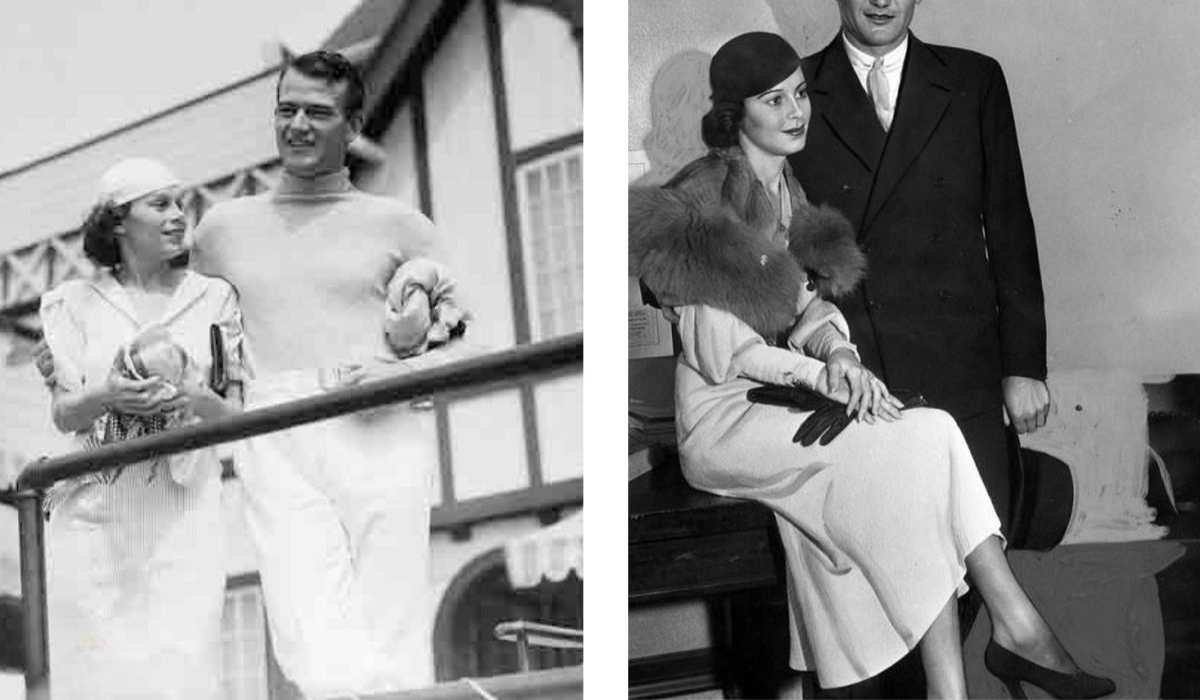
Josephine Alicia Saenz was a notable figure recognized primarily for her marriage to the iconic American actor John Wayne. Born on May 13, 1908, she hailed from a distinguished background, being the daughter of Dr. Jose Saenz, who served as a consul. Her life was deeply intertwined with the burgeoning Golden Age of Hollywood as she stepped into the spotlight following her union with the man known as “The Duke.” Despite the immense public interest surrounding her life as a society beauty and a spouse of a legendary star, she maintained a level of dignity throughout their marriage and eventual separation.
Quick Bio
| Field | Details |
| Full Name | Josephine Alicia Saenz |
| Birth Date | May 13, 1908 |
| Spouse | John Wayne (m. 1933–1945) |
| Children | Michael, Mary Antonia, Patrick, Melinda |
| Known For | Former wife of John Wayne |
Early Life and Background
Born into a family of diplomatic status, Josephine Alicia Saenz grew up in an environment characterized by social grace and public service. Her father, Dr. Jose Saenz, held the position of consul, which placed her within the elite social circles of the time. This background likely contributed to her reputation as a society beauty in Los Angeles during the early 1930s. Her upbringing provided a stark contrast to the rough-and-tumble image that would later define the career of the man she would eventually marry, creating a dynamic of elegance and charisma that captured significant media attention during the era.
Meeting the Duke
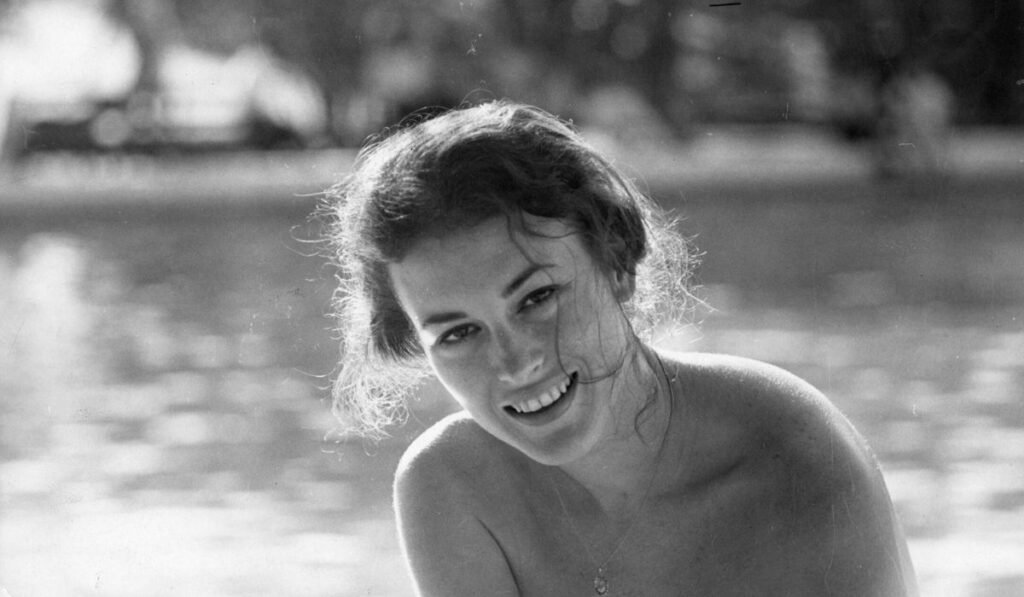
The encounter between Josephine Alicia Saenz and Marion Mitchell Morrison, known to the world as John Wayne, was a milestone in Hollywood history. They met during a time when Wayne was an aspiring actor trying to make his mark in the film industry. Their courtship was brief but intense, reflecting the romantic spirit of the 1930s. As a society figure marrying a young actor, Josephine brought a sense of refinement to Wayne’s life. Their union was highly anticipated by the press, often framed as the marriage between a Hollywood star and a prominent and well-connected local socialite.
The Wedding Ceremony
On June 20, 1933, Josephine Alicia Saenz and John Wayne exchanged vows in a beautiful wedding ceremony held in a private garden. The event took place at the home of Mr. and Mrs. George Belzer, surrounded by friends and family. The occasion was marked by floral arrangements and the elegance expected of a high-profile marriage. It represented the beginning of a life together that would produce four children. This moment remains a significant historical footnote, often highlighted in photographic archives documenting the early life of one of cinema’s most enduring figures throughout his long, successful film career.
Building a Family
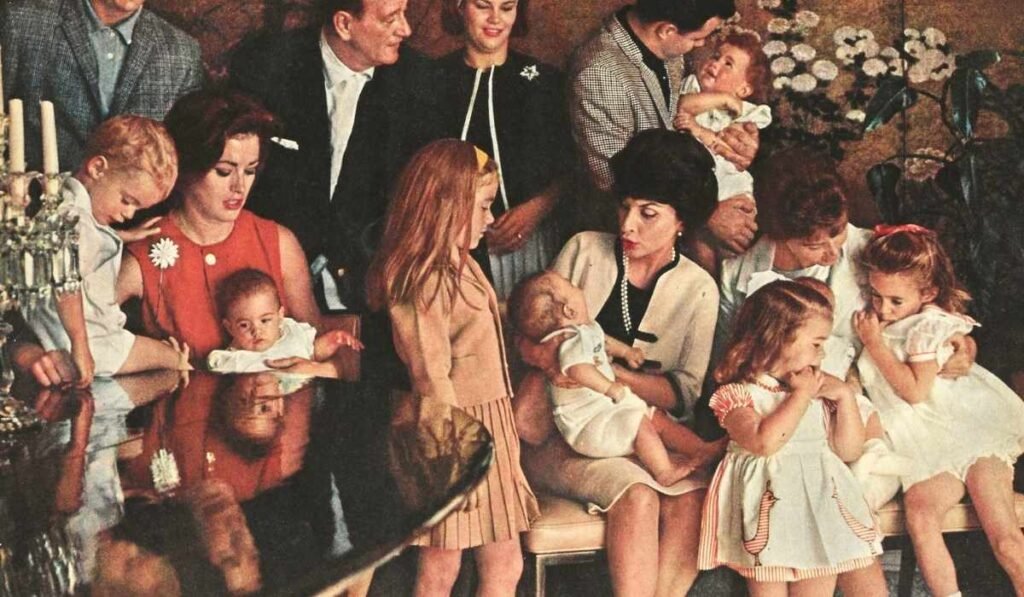
Throughout their twelve-year marriage, Josephine Alicia Saenz and John Wayne welcomed four children into their lives. Their eldest son, Michael Wayne, went on to have a significant career in film production. They were also parents to daughters Mary Antonia, known as “Toni,” and Melinda Ann, along with their son Patrick Wayne. These children grew up in the shadow of their father’s rising stardom, yet they each carved out their own paths in life. Josephine played a crucial role in raising the family during the early stages of her husband’s career, managing the household while balancing her societal obligations.
The Challenges of Hollywood Life
Marriage to an ascending film star brought its own set of unique challenges for Josephine Alicia Saenz. The demands of the film industry, including long shooting schedules and constant public scrutiny, frequently tested the stability of their home life. As John Wayne’s fame grew, the pressure on their personal relationship intensified, as it often does for couples navigating the volatility of show business. Despite these pressures, Josephine managed to remain a constant presence in the lives of her children, providing a sense of grounding. Her role behind the scenes was instrumental during the formative years of her husband’s legendary screen career.
Life as a Consular Daughter
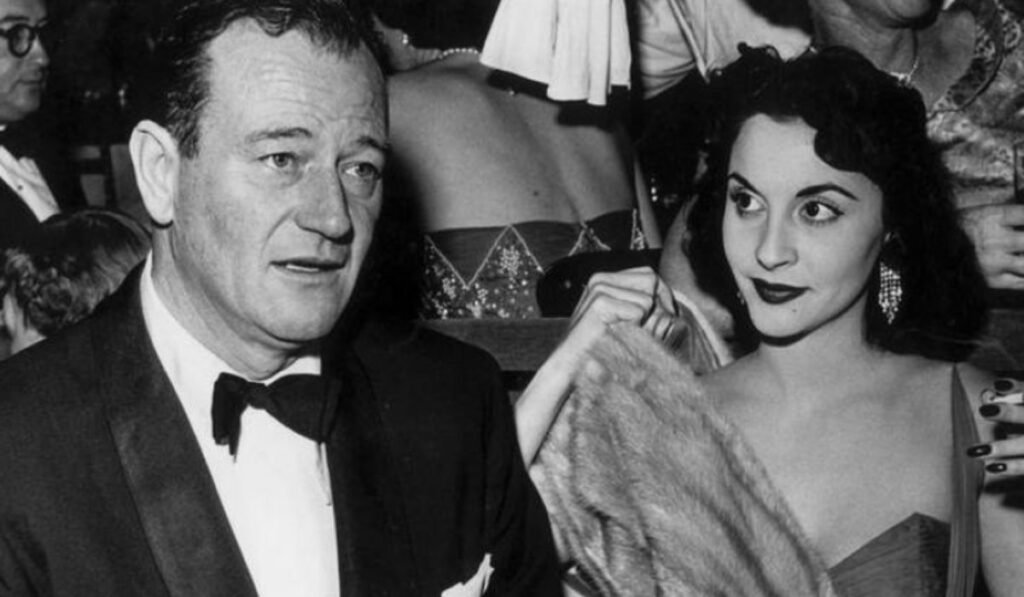
The influence of her father, Dr. Jose Saenz, remained a defining aspect of her identity. Her upbringing as the daughter of a diplomat instilled in her a sense of protocol and social responsibility. These traits were often visible in how she conducted herself in public, even as her personal life was subjected to the intense glare of the Hollywood spotlight. Being associated with the diplomatic corps provided a level of distinction that set her apart from many of her contemporaries in the entertainment industry, reflecting the intersection of high society and the rapidly expanding world of American cinema.
Cultural Impact and Legacy
Though her marriage to John Wayne ended in 1945, Josephine Alicia Saenz remains a person of interest for historians and fans of classic Hollywood. Her legacy is inextricably linked to the early history of the Duke, and she is often cited in biographies and articles exploring his personal evolution. Her story provides a glimpse into the domestic realities of stars during the Golden Age. By raising four children who remained connected to the entertainment legacy, she ensured that her influence would continue to be felt through her descendants long after her departure from the public eye.
Later Years and Private Life
Following her divorce from John Wayne, Josephine Alicia Saenz largely retreated from the public view, choosing to live a more private life. She later married Cyril Nigg, finding a quiet stability away from the intense media interest that had defined her previous marriage. Her decision to move away from the Hollywood scene allowed her to focus on personal happiness and family. Even as her former husband reached the pinnacle of global fame, Josephine preferred to remain out of the headlines, successfully maintaining her privacy until her passing in California on June 24, 2003, at age 95.
Children and Their Paths
The children of Josephine Alicia Saenz and John Wayne all left distinct imprints on their respective fields. Michael Wayne became a respected producer, Patrick Wayne enjoyed a long acting career, and both Toni and Melinda lived lives largely away from the screen while remaining part of the close-knit family structure. The family remained close, often appearing together in public commemorations of their father’s life. This familial bond serves as a testament to the upbringing provided by Josephine, who balanced the unique circumstances of being a celebrity spouse with the goal of raising a grounded family.
Historical Perspective on Marriage
Looking back, the union between Josephine Alicia Saenz and John Wayne is often viewed as a typical “starlet and socialite” match of the early 1930s. It represents a period when personal lives were carefully curated by the studio system. Analysts often point to this period as a time when Wayne was still defining his persona, both on and off the screen. Josephine’s role during this phase was foundational. Without the support and social grounding she provided, the trajectory of Wayne’s personal life might have unfolded much differently, impacting the iconic status he later achieved in film.
Archival Interest and Photos
Photographic archives, including collections found at Getty Images and Calisphere, contain numerous images of Josephine Alicia Saenz, often capturing her at premieres or family events. These images serve as important historical records, illustrating the style and grace of the era. They also depict the transition of John Wayne from an aspiring actor to a major star, with Josephine frequently by his side. For researchers, these photos are invaluable, providing visual context to the biographical details of her life. They highlight her role as a consistent companion during the most critical years of early Hollywood development.
Impact of the Diplomatic Connection
The fact that Josephine Alicia Saenz was the daughter of a consul added an international flair to her reputation. This connection was frequently mentioned in the press, providing a touch of glamour that appealed to American audiences of the 1930s. It also highlighted the diverse influences that shaped the Hollywood elite at the time. Her presence helped elevate the social standing of those she associated with, blending the worlds of international diplomacy and American entertainment. This unique position made her a frequent subject of social columns and feature stories in local newspapers of the era.
Distinguishing Her Identity
It is important to differentiate Josephine Alicia Saenz from the other women who became part of the life of John Wayne. As his first wife, she occupied a unique space in his history. While later spouses like Esperanza Baur and Pilar Pallete are also well-documented, Josephine’s tenure as his wife covered the years of his early struggle and initial success. Understanding her role requires looking past the “first wife” label to see the individual woman whose life was shaped by her own unique experiences, background, and choices throughout the turbulent and exciting years of mid-century American film history.
The Role of Family Values
Throughout her life, Josephine Alicia Saenz emphasized the importance of family stability. Despite the breakdown of her first marriage, she ensured that her four children remained central to her life. Her dedication to their well-being is reflected in the success they achieved as adults. Her influence on their character and career choices is frequently cited by family members in retrospectives about the Wayne legacy. By prioritizing her role as a mother, she created a legacy of resilience and success that transcended the fame and scrutiny associated with her former husband’s highly public and very successful career.
Media Representation
The media representation of Josephine Alicia Saenz in the 1930s and 1940s was largely positive, focusing on her beauty and status as a diplomatic daughter. She was portrayed as the ideal partner for a rising actor, embodying the sophistication that the Hollywood studios wanted their stars to project. While the reality of her private life was undoubtedly more complex than the headlines suggested, the public persona she maintained contributed to the overall aura of prestige surrounding John Wayne. This coverage helped establish their household as a prominent fixture in the social life of Los Angeles.
Enduring Memory
Since her passing in 2003, memory of Josephine Alicia Saenz has been preserved primarily through the biographies of John Wayne and the accounts provided by their children. She is remembered as a dignified individual who managed to navigate the complexities of life in the public eye with grace. Her legacy is one of strength and stability, serving as a reminder of the women who stood behind the scenes during the formative years of classic American cinema. Her life story remains an essential part of the broader narrative that defines the history of Hollywood’s most iconic era.
Reflections on the Era
Reflecting on the life of Josephine Alicia Saenz offers a window into the societal norms of the mid-20th century. It was a time when the roles of spouses were often strictly defined, yet women like Josephine navigated these expectations with agency and character. Her background and her subsequent life choices reflect the broader changes in society during her long life. By examining her biography, one gains a more nuanced understanding of the human element behind the legends of the screen, highlighting the personal stories that often go unnoticed in the study of major historical film figures.
Understanding the Biographical Context
The biographical context of Josephine Alicia Saenz is marked by her transition from a consul’s daughter to a Hollywood spouse and finally to a private citizen. Each phase of her life reflects the different environments she occupied, from the diplomatic circles of her youth to the glitz of the movie industry. Her ability to transition between these roles with poise speaks to her character. For those interested in the history of film and the individuals who lived within its orbit, her life offers a compelling study of one woman’s journey through a transformative century in America.
Significance of Records
The documentation of Josephine Alicia Saenz through birth indices, marriage records, and obituaries has allowed for a clearer understanding of her timeline and family connections. These records are vital for historians and genealogists who seek to accurately portray the lives of public figures and their associates. They provide the objective foundation necessary to move beyond hearsay and speculation. By relying on such historical evidence, we can appreciate the life of Josephine as an individual whose story is firmly rooted in the historical facts of her time and place in the world.
FAQ
- Who was Josephine Alicia Saenz?
- She was the first wife of American actor John Wayne and the daughter of a prominent consul.
- How many children did she have with John Wayne?
- Josephine had four children with John Wayne: Michael, Mary Antonia, Patrick, and Melinda.
- When did she marry John Wayne?
- She married John Wayne on June 20, 1933, in a private garden ceremony.
- Did she remarry after her divorce from John Wayne?
- Yes, she later married a man named Cyril Nigg after her divorce from the actor in 1945.
- Where can I find more information about the life of John Wayne?
- You can learn more about his life and family by visiting the John Wayne page.
