


The arrival of Star Trek: Starfleet Academy on Paramount+ on January 15, 2026, marked one of the most anticipated moments in modern science fiction television. For decades, Star Trek has reinvented itself while maintaining its ideals of optimism, exploration, and unity. Yet with Star Trek Starfleet Academy reviews, fans and critics immediately noticed something different. This was not simply another starship adventure crossing distant galaxies. Instead, it placed young cadets at the center of a deeply personal and ambitious coming-of-age story set within the future of Starfleet itself.
Early Star Trek Starfleet Academy reviews have been largely favorable, with critics praising its emotional storytelling, fresh characters, and willingness to experiment with the franchise’s traditional format. While some longtime Trek purists remain divided over its youthful tone, the show has undeniably sparked conversation across the sci-fi world.
Reviews
| Series Title | Star Trek: Starfleet Academy |
| Type | Science Fiction Drama TV Series |
| Franchise | Star Trek |
| Platform | Paramount+ |
| Premiere Date | January 15, 2026 |
| Setting | 32nd Century (post Star Trek: Discovery era) |
| Main Concept | Follows new cadets training at Starfleet Academy as they navigate leadership, ethics, and identity |
| Primary Focus | Coming-of-age story set within Starfleet training environment |
| Tone | Sci-fi drama with youthful, emotional, and philosophical storytelling |
| Main Protagonist | Caleb Mir (portrayed by Sandro Rosta) |
| Key Character | Chancellor Nahla Ake (portrayed by Holly Hunter) |
| Notable Cast | Holly Hunter, Sandro Rosta, Karim Diané, Kerrice Brooks, Bella Shepard, George Hawkins, Zoë Steiner |
| Legacy Characters | The Doctor (Robert Picardo), Jett Reno (Tig Notaro) |
| Number of Seasons | Season 1 (ongoing as of 2026 release period) |
| Production Studios | Paramount+ / CBS Studios |
| Filming Location | Toronto, Canada (Pinewood Toronto Studios) |
| Visual Style | High-budget cinematic sci-fi with futuristic Academy design |
| Themes | Identity, belonging, ethics, teamwork, leadership, growth |
| Connection to Franchise | Directly connected to Star Trek: Discovery timeline |
| Audience Reception | Generally positive critical response, mixed fan reactions |
What Is Star Trek: Starfleet Academy About?
At its core, Star Trek: Starfleet Academy follows the first new class of cadets entering Starfleet Academy in over a century. Set in the 32nd century, after the galaxy’s massive rebuilding period introduced in Star Trek: Discovery, the series explores hope and renewal.
The story centers on Caleb Mir, a gifted young man haunted by his mother’s criminal past. He joins the Academy under unusual circumstances and quickly finds himself navigating friendships, rivalries, and moral dilemmas that define his future. Star Trek Starfleet Academy reviews often highlight how this personal journey gives the show an emotional depth rarely seen in prior Trek entries.
Why the Show Feels Different From Previous Star Trek Series
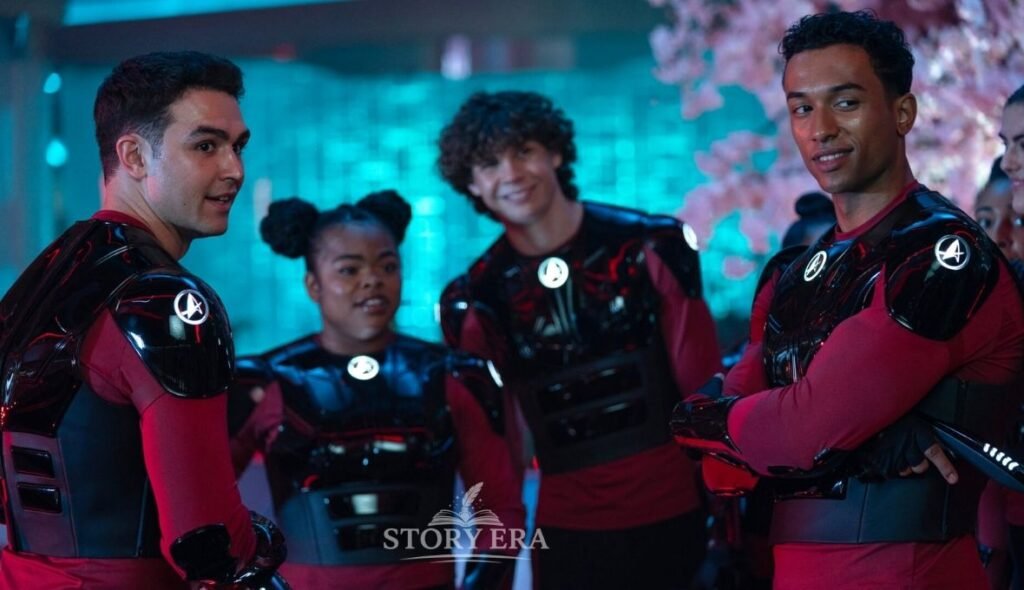
One of the biggest talking points in Star Trek Starfleet Academy reviews is how radically different the series feels compared to classics like The Next Generation or Deep Space Nine.
Rather than focusing on seasoned officers handling galactic diplomacy, the show dives into uncertainty, mistakes, and growth. It embraces youthful energy while maintaining philosophical discussions about ethics and leadership. Critics note that this hybrid approach blends teen-drama tension with traditional Trek optimism, creating something familiar yet refreshingly original.
The January 15, 2026, Premiere Reception

The two-episode premiere launched to considerable buzz. Critics praised its polished visuals, intriguing mystery setup, and emotional stakes.
Review aggregators reflected this positive start. Rotten Tomatoes reported an impressive 85% critic score, while Metacritic assigned a generally favorable 67 score based on critical reviews. However, audience reactions proved more mixed, creating the divisive tone seen across many Star Trek Starfleet Academy reviews. Some praised its innovation, while others criticized its departure from classic Trek structure.
Holly Hunter’s Performance Elevates the Series
Academy Chancellor Nahla Ake, portrayed by Holly Hunter, has emerged as one of the show’s standout characters.
Nearly every major Star Trek Starfleet Academy review praises Hunter’s commanding screen presence. She brings intelligence, compassion, and quiet authority to a role that could have easily become one-dimensional. Her layered relationship with Caleb Mir gives the series emotional weight and complexity.
Hunter’s performance feels distinctly Trek-like while adding contemporary nuance that appeals to modern audiences.
Sandro Rosta Shines as Caleb Mir

Breakout star Sandro Rosta carries much of the show’s emotional burden as Caleb Mir.
Critics repeatedly mention his ability to balance vulnerability with determination. In many Star Trek Starfleet Academy reviews, Caleb is described as one of the franchise’s strongest recent protagonists because his journey feels deeply human.
His outsider status allows audiences to rediscover Starfleet through fresh eyes, making exposition feel natural rather than forced.
Supporting Cast Brings Energy and Diversity
The ensemble cast adds significant depth to the Academy setting.
Karim Diané, Kerrice Brooks, Bella Shepard, George Hawkins, and Zoë Steiner all deliver compelling performances. Their characters represent a range of species, perspectives, and personalities that reflect Trek’s long-standing inclusivity.
Many Star Trek Starfleet Academy reviews note that while not every character receives equal development in season one, the chemistry among the cadets suggests strong future storytelling potential.
The Return of Familiar Star Trek Faces
Legacy appearances help connect the show to broader franchise continuity.
Robert Picardo reprises The Doctor, while Tig Notaro returns as Jett Reno. Their presence provides continuity without overshadowing the younger cast.
Critics note these appearances feel organic rather than nostalgic fan service, strengthening many positive Star Trek Starfleet Academy reviews.
Visual Effects and Production Design Impress
The production values are among the strongest in modern Trek television.
Filmed primarily in Toronto’s Pinewood Studios, the series showcases sleek Academy interiors, advanced holographic classrooms, and futuristic San Francisco landscapes.
Many Star Trek Starfleet Academy reviews emphasize how cinematic the show feels. Paramount+ clearly invested heavily, and the result is a polished visual identity that feels worthy of the franchise.
The 32nd Century Setting Expands Story Possibilities
Setting the series in the 32nd century gives writers immense creative freedom.
Unlike earlier Trek eras tied to strict canon expectations, this distant future allows bold storytelling experiments. Technology, politics, and social structures feel new while remaining recognizably Trek.
This flexibility is often cited in Star Trek Starfleet Academy reviews as one of the show’s greatest strengths.
Themes of Identity and Belonging
At its heart, the show explores belonging.
Cadets arrive carrying trauma, insecurity, and uncertainty. Their growth reflects universal coming-of-age struggles, making the story emotionally accessible.
This emotional relatability explains why many younger viewers have connected strongly with the series, according to recent Star Trek Starfleet Academy reviews.
Balancing Teen Drama With Star Trek Philosophy
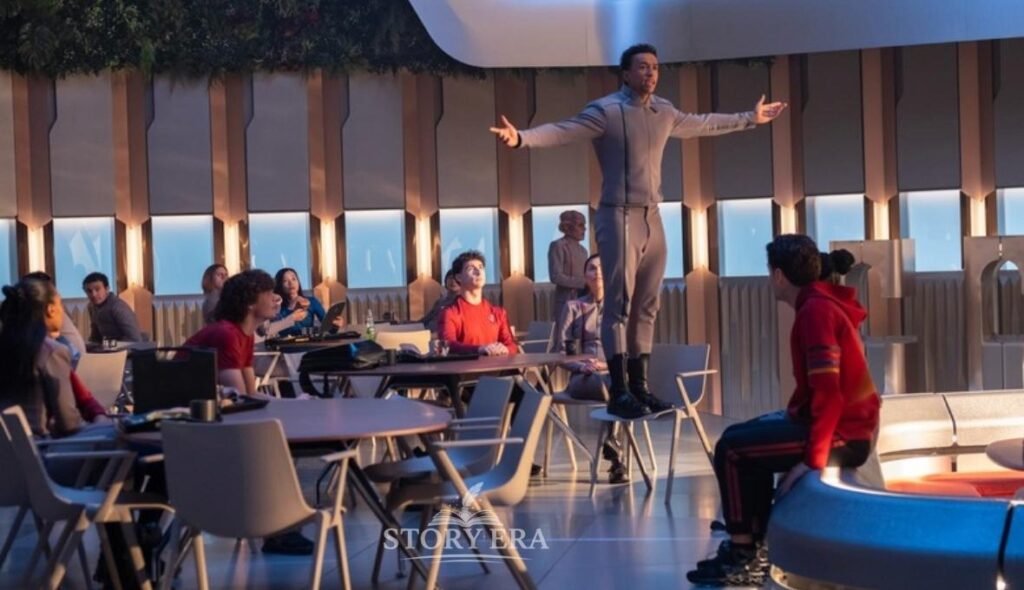
This balance remains the series’s most debated feature.
Some Star Trek Starfleet Academy reviews praise its blend of youthful romance and ethical complexity. Others argue that the teen-drama elements occasionally overshadow classic philosophical depth.
Still, most critics agree the experiment largely succeeds because the emotional conflicts ultimately reinforce Trek’s ideals of self-improvement and service.
Why Some Fans Criticize the Show
Not all reactions have been positive.
Some longtime fans dislike the faster pacing, modern dialogue, and heightened emotional intensity. Online discussion forums reveal frustration from viewers expecting a more traditional bridge-command structure.
Negative Star Trek Starfleet Academy reviews often describe the tone as overly contemporary, though even skeptical critics acknowledge its ambitious execution.
Why New Audiences Are Embracing It
Newcomers unfamiliar with Trek lore have responded strongly.
The accessible setting and younger cast make it easy for fresh audiences to enter the franchise without decades of background knowledge.
This accessibility appears intentional and is widely recognized in Star Trek Starfleet Academy reviews as a smart move for franchise longevity.
Critical Praise for Storytelling Risks
The show takes bold narrative risks.
It introduces morally ambiguous authority figures, unresolved mysteries, and emotional stakes rarely explored so deeply in Trek’s educational institutions.
This creative boldness is frequently celebrated across professional Star Trek Starfleet Academy reviews.
Comparison to Other Modern Star Trek Series
Compared to Discovery, the show feels more grounded emotionally.
Compared to Strange New Worlds, it feels more serialized and youth-oriented.
Compared to Lower Decks, it is more dramatic and introspective.
These distinctions often appear in Star Trek Starfleet Academy reviews, helping viewers understand its unique identity within modern Trek.
Season One’s Biggest Strengths
The strongest elements include:
Character development
High production quality
Holly Hunter’s leadership performance
A fresh perspective on Starfleet values
These strengths consistently dominate positive Star Trek Starfleet Academy reviews.
Season One’s Biggest Weaknesses
Weaknesses include uneven pacing and occasional tonal inconsistency.
Some episodes lean too heavily into interpersonal drama at the expense of broader sci-fi ideas.
Even favorable Star Trek Starfleet Academy reviews acknowledge these flaws.
What Season Two Could Improve
Future seasons could deepen secondary characters and expand larger galactic stakes.
With the foundation established, season two has an opportunity to refine pacing while preserving emotional authenticity.
This optimism appears across many concluding Star Trek Starfleet Academy reviews.
Conclusion
Star Trek: Starfleet Academy represents one of the franchise’s boldest reinventions in years. It honors Trek’s hopeful philosophy while embracing modern storytelling sensibilities designed for new generations.
While reactions remain divided, the majority of Star Trek Starfleet Academy reviews agree it is an ambitious and worthwhile experiment. It may not satisfy every longtime fan, but it boldly proves that Star Trek’s future remains full of possibilities.
Frequently Asked Questions
1. Is Star Trek: Starfleet Academy worth watching?
Yes. Most Star Trek Starfleet Academy reviews recommend it for both longtime fans and newcomers.
2. When did Star Trek: Starfleet Academy premiere?
The series premiered on January 15, 2026, exclusively on Paramount+.
3. Who stars in Star Trek: Starfleet Academy?
The cast includes Holly Hunter, Sandro Rosta, Karim Diané, Kerrice Brooks, Bella Shepard, and George Hawkins.
4. Is it connected to Star Trek: Discovery?
Yes. It is set in the 32nd century, after the events of Discovery.
5. How many episodes are in season one?
Season one contains 10 episodes.
6. Are critics reviewing it positively?
Yes. Most Star Trek Starfleet Academy reviews are generally favorable.
7. Will there be a second season?
Yes. Season two is expected to arrive in 2027.
