


Ursula Kodjoe is a distinguished figure within the field of forensic psychology, particularly renowned for her dedicated work concerning high-conflict family dynamics and parental alienation. Based in Germany, she has established herself as a vital contributor to the intersection of mental health and legal practice, often serving as a court-appointed evaluator. Her professional journey involves deep engagement with the complexities of divorce, child custody, and the psychological impact of family separation on children. Through her academic publications and participation in international conferences, she has significantly influenced the dialogue surrounding parental alienation syndrome, providing essential insights for practitioners navigating these challenging cases.
Quick Bio
| Attribute | Detail |
| Professional Role | Forensic Psychologist, Family Therapist, Mediator |
| Specialization | Parental Alienation, High-Conflict Family Law |
| Location | Gundelfingen, Germany |
| Key Contributions | Author on Parental Alienation Syndrome, International Conference Organizer |
Academic Contributions and Clinical Research
The academic contributions of Ursula Kodjoe are widely recognized within the psychological community for their focus on the prevention of unconscious biases in clinical practice. In her scholarly work, she has examined how medical and psychological professionals might inadvertently contribute to the deterioration of parent-child relationships Ursula Kodjoe during divorce proceedings. By identifying these patterns, she provides a framework for clinicians to avoid harmful interventions. Her research emphasizes the importance of preserving the loving bonds between children and their parents, advocating for evidence-based approaches that prioritize the child’s long-term emotional well-being above the adversarial nature of traditional family law disputes.
Collaborative Efforts in International Psychology

Collaboration has been a cornerstone of her career, as evidenced by her partnership with other leading experts in the field to organize high-level international conferences. These gatherings, such as the event held in Frankfurt, brought together psychologists, legal Ursula Kodjoe professionals, and social investigators to establish a global understanding of parental alienation. By fostering an environment of interdisciplinary exchange, she has helped Ursula Kodjoe bridge the gap between mental health theories and practical legal applications. These efforts have not only advanced academic research but have also improved the standard of practice for court-appointed evaluators who must handle volatile and emotionally charged family environments every day.
Methodologies for High-Conflict Case Evaluation
Her methodology involves a meticulous evaluation of high-conflict family cases, ensuring that the child’s perspective is understood within the broader context of Ursula Kodjoe parental influence. She has been an vocal proponent of recognizing the psychological mechanisms that lead a child to reject a formerly beloved parent without clear justification. Her focus remains on clinical neutrality and the careful assessment of whether such rejection is a Ursula Kodjoe response to genuine issues or the result of external manipulation. This analytical rigor is vital for judges and lawyers who rely on expert testimony to make life-altering decisions regarding custody, visitation, and the long-term upbringing of children.
Systemic Reform within the Legal Landscape
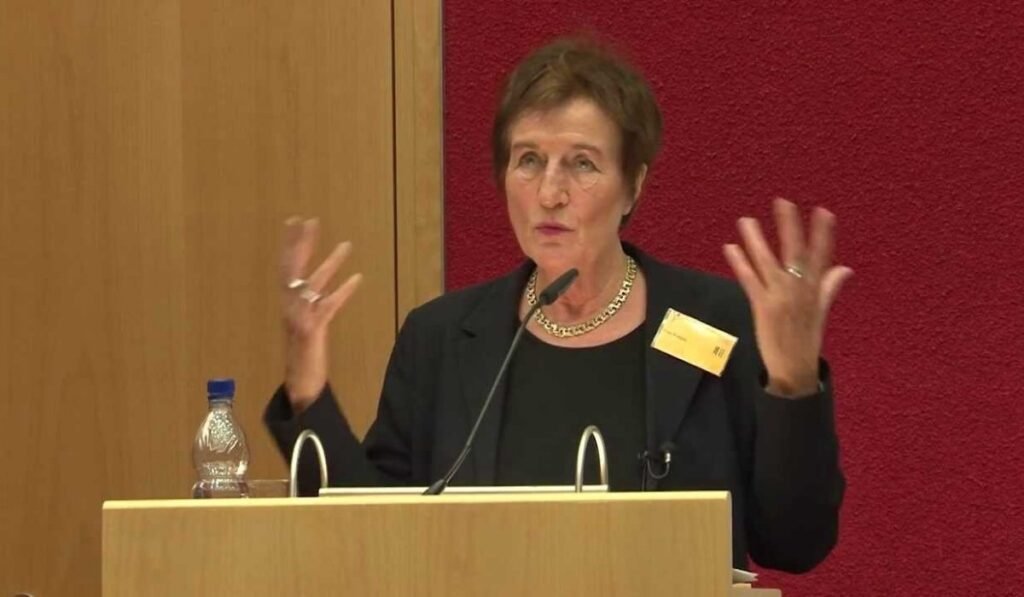
The impact of her work extends beyond individual case files into the realm of systemic reform within family law. As a practitioner, she recognizes Ursula Kodjoe that the current legal frameworks often struggle to address the subtle psychological nuances of family breakdown, which is why she advocates for more specialized training for professionals in the field. Her critiques Ursula Kodjoe of how parental alienation is handled—or ignored—by the medical and legal establishments highlight a critical need for reform. By encouraging experts to acknowledge the signs of emotional interference, she aims to reduce the instances where children are unfairly separated from their parents by court-ordered processes.
Educational Initiatives and Practitioner Training
Training and education remain central themes in her professional life, as she seeks to empower other practitioners to recognize and Ursula Kodjoe mitigate the effects of parental alienation. She regularly provides insights for clinicians, social workers, and lawyers on how to differentiate between legitimate parent-child friction and the systemic alienation often found in Ursula Kodjoe high-conflict custody disputes. Her goal is to create a more resilient support system for children caught in the middle of these complex struggles. Through workshops, articles, and lectures, she disseminates strategies that emphasize reconciliation and the maintenance of positive, healthy relationships between children and both of their parents post-divorce.
International Recognition and Global Discourse

Her work has garnered international attention, positioning her as a key voice in the European and global dialogue on family law reform. By participating in Ursula Kodjoe research collectives and anthologies, she has contributed to a growing body of literature that challenges outdated views on child custody. These collaborative efforts are essential for keeping the discourse updated with the latest psychological findings and legal precedents. As a result, Ursula Kodjoe her name frequently appears in academic references alongside other prominent researchers, solidifying her status as a respected authority whose recommendations have influenced the way families are supported during the transition of separation and divorce.
Prioritizing the Well-Being of the Child
Addressing the needs of the child is the primary objective of her Ursula Kodjoe practice, which she views as a duty that supersedes all other considerations in family law. She consistently argues that the best interests of the child should be the guiding star for any legal or psychological intervention. In her view, this means ensuring that a child’s voice is heard without being tainted by the baggage of the parents’ conflict. By applying scientific principles to the evaluation of Ursula Kodjoe these cases, she helps ensure that interventions are tailored to restore balance rather than exacerbate existing hostilities, ultimately protecting the child’s emotional development.
Mediation Strategies in Family Conflicts
The role of the mediator is another area where she has demonstrated significant expertise, utilizing her background in psychology to de-escalate conflicts before they reach the Ursula Kodjoe courtroom. Mediation requires a unique blend of empathy, logic, and authoritative guidance, all of which she brings to her practice. By helping parents understand the psychological toll that their conflict takes on their children, she encourages them to prioritize Ursula Kodjoe compromise over litigation. Her approach to mediation is deeply rooted in the belief that cooperative parenting is possible even in the wake of a difficult separation, provided the parties are willing to engage honestly.
Dissemination of Knowledge through Academic Writing
Writing and research have been instrumental in the dissemination of her views, as she has authored numerous papers aimed at both academic Ursula Kodjoe and practical audiences. Her publications often address the specific challenges that clinicians face, such as how to maintain objectivity when faced with emotionally manipulative narratives. Through these writings, she has provided a blueprint for conducting evaluations that are robust enough to withstand the scrutiny of a legal challenge. Her commitment to clarity and precision in her Ursula Kodjoe writing ensures that her findings can be effectively utilized by professionals who may not have her extensive background in forensic psychology.
Advocacy within the European Legal Framework
In the context of European family law, she has been a tireless advocate for the rights of parents to maintain contact with their children. She notes that the legal systems in various countries often operate under different mandates, yet the core issues of child alienation remain consistent across borders. By engaging with international bodies and Ursula Kodjoe professional organizations, she has Ursula Kodjoe helped push for standardized diagnostic criteria and best practices. Her advocacy is characterized by a firm belief that institutional policies should be designed to support the fundamental human right of a child to maintain a meaningful relationship with both parents after separation.
Navigating the Challenges of Court Appointments
The challenges she faces as a court-appointed evaluator are significant, given the high-stakes nature of custody hearings. She must remain impartial while navigating Ursula Kodjoe the accusations, denials, and emotional displays that are common in these proceedings. Her ability to cut through the noise and focus on the psychological reality of the child is what makes her a sought-after professional in her home region of Germany. Her career Ursula Kodjoe serves as a testament to the idea that forensic psychology can be a force for good, providing the necessary tools to navigate the most difficult of human experiences with objectivity and compassion.
Future Trends in Child Psychology
Looking forward, her work continues to evolve as the field of psychology learns more about the long-term outcomes of children who have experienced alienation. She keeps a close watch on emerging trends in child psychology and family dynamics, integrating these findings into Ursula Kodjoe her practice and recommendations. By staying at the forefront of the field, she ensures that her work remains relevant and impactful. Her dedication to continuous learning and adaptation serves as an inspiration to others in her field who are tasked with the heavy responsibility of determining the future of families in crisis.
Evaluating Early Career Impacts on Practice
The influence of her early career choices can be seen in the consistent focus she has placed on the needs of children throughout her professional life. Her decision to specialize in forensics and high-conflict families was a response to the clear need for qualified professionals who could navigate the intersection of law and mental health. Today, she is widely recognized as a leader whose Ursula Kodjoe contributions have helped to legitimize the study of parental alienation as a clinical reality rather than merely a subject of debate. Her career trajectory is a model for those who wish to make a real-world impact in the field.
Mentorship and Professional Development
Her involvement in various professional associations has allowed her to mentor younger practitioners who are just beginning their careers in family law and psychology. Mentorship is a vital component of her contribution to the field, ensuring that the knowledge she has gathered over decades is passed on to the next generation. By fostering a culture of rigorous academic and clinical standards, she helps build a stronger future for the entire profession. Her legacy will undoubtedly include the many lives she has touched—both those of the families she has helped and those of the colleagues she has mentored.
Maintaining Consistency in Contentious Environments
One of the most notable aspects of her career is her ability to maintain a consistent professional focus despite the often contentious nature of her work. She remains a firm believer that progress is possible in even the most entrenched conflicts if the right psychological tools are employed. Her work in mediation, court evaluations, and research all point towards a single goal: the resolution of family conflict in a manner that protects children from psychological harm. This unwavering focus has made her a highly respected figure among her peers, who value her for her commitment to clinical integrity and professional excellence.
Universal Perspectives on Family Alienation
International collaboration remains a core part of her philosophy, as she recognizes that the issues she encounters in Germany are universal. By sharing her findings with colleagues across Europe and the globe, she contributes to a broader understanding of how parental alienation affects society at large. This global perspective is crucial, as it allows for the comparison of different legal systems and their respective approaches to custody and child well-being. Her participation in these international forums has been a driving force behind the global movement to better understand and address the complexities of parental alienation in all its various forms.
Ethical Standards in Forensic Practice
The ethical considerations of her work are paramount, and she is known for her strict adherence to professional standards. In a field that is often criticized for its susceptibility to influence and bias, her reputation for neutrality is her greatest asset. She approaches every case with an open mind, refusing to succumb to the pressures of either party in a custody dispute. This level of professional rigor is what has earned her the trust of the courts and the respect of her colleagues. Her career path demonstrates that with dedication and focus, one can achieve a significant, positive impact on families facing deep division.
Bridging Psychology and Legal Practice
Understanding the work of this professional requires looking at both her academic research and her practical experience in the courtroom. Her holistic approach—combining theory, research, and hands-on mediation—is what sets her apart from many of her contemporaries. As an expert in her field, she provides invaluable insights that help bridge the divide between psychological research and legal outcomes. For those interested in learning more about the broader context of her work and the field she has dedicated her career to, one can explore the foundational concepts.
FAQS
- What is the primary area of professional expertise for Ursula Kodjoe?
- She is a forensic psychologist specializing in parental alienation and high-conflict family law cases.
- In which country does she primarily practice and perform court evaluations?
- Her professional practice and work as a court-appointed evaluator are based in Germany.
- What is the focus of her academic research regarding pediatricians?
- She focuses on preventing unconscious contributions by medical professionals that might lead to the loss of contact between parents and children.
- How does she contribute to international family law standards?
- She organizes and participates in international conferences that bring together multidisciplinary experts to discuss custody and alienation issues.
- What is the core goal of her mediation practice?
- She aims to de-escalate family conflicts to protect the emotional well-being of children and promote cooperative parenting.
